封面图说明|
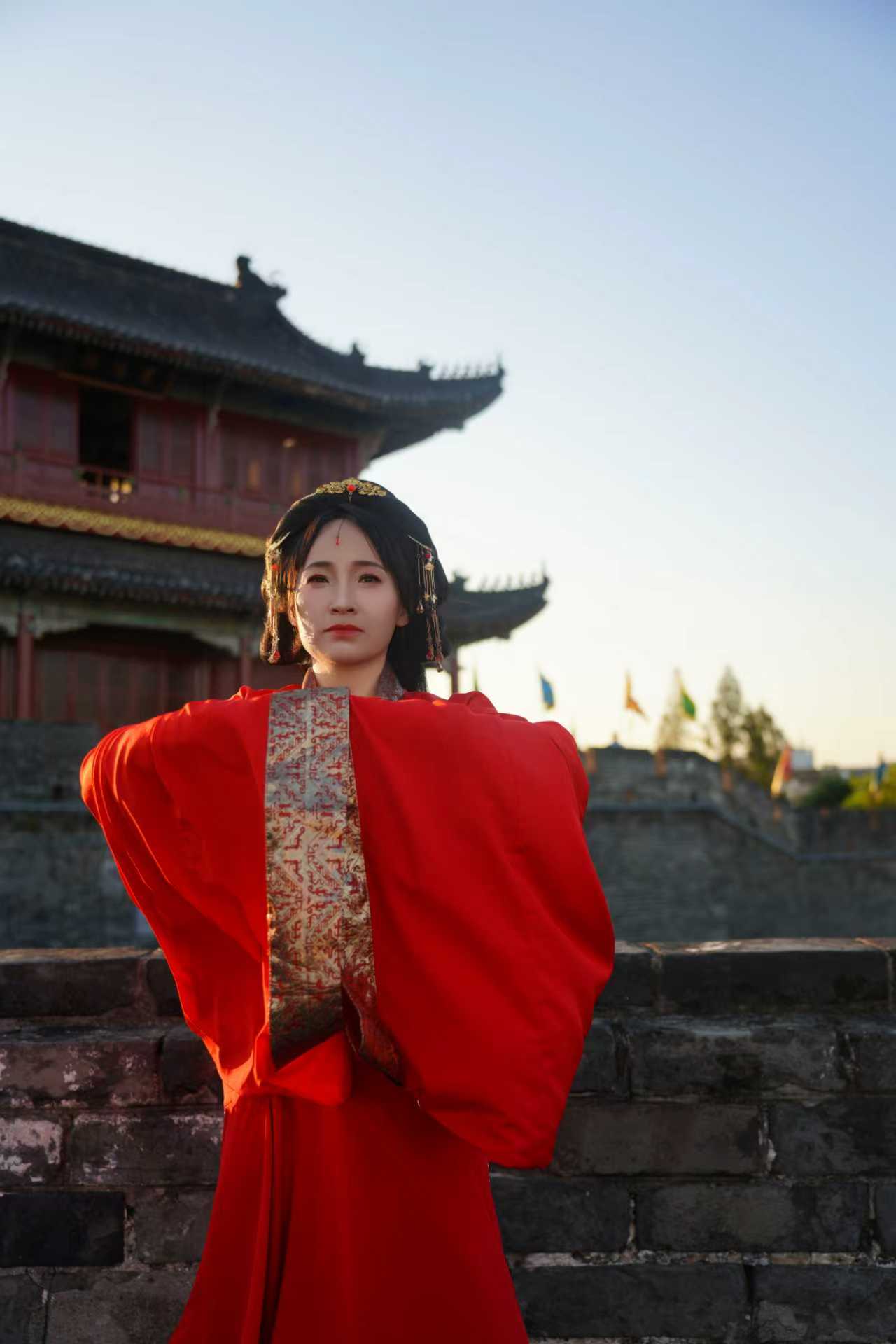
2025年9月16日,
作者身着战国风格红袍,
在荆州古城拱手留影。
彼时,《楚辞》的音乐创作已经完成,
家族寻根之旅正在展开。
从《湘夫人》的生命之曲,
到令尹夫人的重新书写,
这身红衣见证了作者与楚文化关系的转变。
引文|当我重新听见《湘夫人》
旋律没有改变,
改变的是聆听它的我。
熟悉的《湘夫人》再次响起,
湘水之滨的等待与思念,
仿佛随着旋律重新回到眼前。
《湘夫人》曾是我的「生命之曲」,
承载着一段真实而复杂的情感经历。
那时尚未踏上楚地寻根之旅,
也未曾想到这场音乐创作,
会将我带入一个更加辽阔的历史世界。
后来,我走过荆州古城的城墙,
也来到春申君黄歇曾经活动的寿春故地。
从借古老诗句表达个人情感,
到以「令尹夫人」的文学身份研究楚文明;
我开始尝试走进诗歌背后的历史现场。
如今,《湘夫人》依然是我的生命之曲,
但我已不再以湘夫人理解今天的自己。
当一首古老的诗歌,
陪伴我们走过不同的人生阶段,
究竟是诗歌改变了我们,
还是我们逐渐听见了,
其中不同的声音?
《湘夫人》|我的生命之曲之一
一|2025年夏天:当楚辞成为我的生命之曲
最初,
我只是想让古老的诗歌重新歌唱,
却在那些旋律里,
听见了自己的生命。
一场关于《楚辞·九歌》的谈话,
意外开启了我的音乐创作旅程。
2025 年 5 月 31 日,
我开始借助人工智能为《楚辞》谱曲。
最初的目标只是完成《九歌》。
我与 ChatGPT、Claude、DeepSeek 讨论文本与构思,
再借助 Suno 生成旋律和演唱版本。
《湘夫人》是其中最特别的一首。
那不是对古代神话的简单模仿,
而是诗歌中的情感,
恰好触及了我那十几年对归属的追寻。
那年七月的中国旅途中,
《湘夫人》几乎一路陪伴着我。
它不再只是一首完成的音乐作品,
而成为那段旅程,
可以随身携带的记忆。
然而,为《楚辞》谱曲并不轻松。
有些罕见文字无法正确发音,
有些诗句被跳过或唱得含混不清。
《国殇》的制作尤其艰难,
我曾为它反复生成六十多次。
真正耗费时间的,
并不是按下生成按钮,
而是在众多结果之间作出选择,
让古老的文字,
尽可能保留自己的声音。
2025 年 8 月 18 日,
我完成了四十九首《楚辞》音乐作品。
但在当时,
我尚未得知家族谱牒中的黄歇祖源记载。
我只是不断阅读、聆听与创作,
让一篇又一篇古老的诗歌,
成为自己能够反复听见的声音;
那时的我不知道,
不久之后的一次家族寻根,
会为这些已经完成的作品,
带来另一层完全不同的历史意义。
二|2025年秋天与2026年春天:从楚辞的声音,走进楚国的地理与历史
音乐让我听见楚辞,
竹简让我认识楚人,
而脚下的土地,
让我走进他们生活过的世界。
1. 意外的家族线索|音乐之后的寻根
2025年8月31日,
一条意外出现的家族线索,
将我的目光引向春申君黄歇。
江夏黄氏族谱所记载的祖源,
使我第一次认真思考,
自己与古老楚国之间可能存在的家族联系。
此前,
我为《湘夫人》《离骚》与《天问》谱曲,
完全不是因为知道这些家族记载;
音乐没有改变,
但我开始寻找,
它背后的历史世界。
2. 荆州古城|当诗歌遇见真实的土地
九月,我来到湖北荆州。
在古城墙与护城河之间行走,
又穿上自己选择的战国风格红袍。
眼前的城墙并非屈原时代的原貌,
却让我第一次如此具体地意识到,
古老的楚国曾经拥有真实的城市与道路。
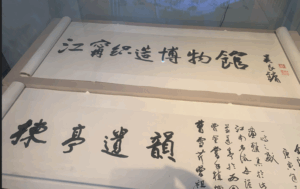
在湖北省博物馆的展厅里,
青铜器、漆木器与考古遗存,
让我看见诗歌之外的楚人生活。
他们不仅留下神话与浪漫的辞章,
也创造了复杂的礼仪、工艺与制度。
那些曾经通过旋律进入我生命的文字,
开始与可以观察的器物相互联系。
我逐渐明白,
理解《楚辞》不能只停留在诗歌的情感之中。
3. 德国书桌前的楚简|五十个晨昏与六十篇新读
2025年10月16日,
我开始集中阅读楚简帛书相关资料,
并将阅读所得整理成一篇篇中文文章。
斯图加特的清晨,
窗外仍是熟悉的有轨电车与城市街道,
我的笔电屏幕上却出现了另一种文字世界:
那些来自战国时代的竹简墨迹。
从 10 月 16 日到 12 月 3 日,
将近五十个日夜过去。
我在德国的书桌前持续整理楚简资料,
最终完成六十篇相关解读文章。
12月4日发表的《楚文明导航地图》,
将这些作品归入五个主题体系。
从「元息」「脉息」到「气息」,
再到「骨息」与「光息」,
我尝试为这段密集的阅读建立导航。
这张地图不仅是作品目录,
也是我重新整理楚文明认识的尝试。
过去的音乐创作以诗歌篇章为单位,
如今我开始把不同文献放在一起比较。
宇宙、时间、身体、制度与思想,
逐渐成为彼此关联的研究主题。
过去,
《楚辞》让我首先感受到情感与想象;
如今竹简呈现的,
却是更加多元的思想世界。
我不再只关心诗人为什么悲伤,
还想知道楚人如何认识天地。
4. 回到寿春|从竹简走向楚国晚期的历史现场
2026年春天,
我再次踏上寻找楚国历史的旅程。
在寿春楚文化博物馆,
我继续观察楚国晚期的考古遗存。
随后走访春申君墓,
也来到与楚考烈王有关的武王墩考古区域。
那些曾经在文献中,
反复出现的名字,
如今有了可以实地考察的历史地点。
音乐曾经让我与《楚辞》相遇,
寻根则让我开始追问楚国的来处;
竹简阅读拓展了我理解文明的视野,
田野考察又将这些问题,
带回真实的土地。
寿春之行也让我重新认识城市与河流。
我观察古城的城防与水利空间,
思考都城如何依赖地理条件生存。
为什么楚国在不同阶段迁移都城,
政治中心的改变又如何影响国家命运?
这些问题已经远远超出音乐创作,
却与我后来重新解读《楚辞》的工作,
形成了越来越密切的联系。
在这段研究与行走的过程中,
「令尹夫人」逐渐成为我的文学身份。
她并不是春申君黄歇的妻子,
也不是我对历史身份的真实宣称。
在跨越时空的楚人对话中,
我将自己设想为黄歇的当代共事者,
与他讨论楚国的政治、制度与文明。
这是一种文学上的同行,
也是我继续研究与书写楚文化的方式。
三|2026年冬天:当我重新书写曾经唱过的楚辞
当年,我用旋律回应楚辞,
如今,我以历史重新阅读,
才发现那些曾经唱过的诗句,
还有许多未曾听见的声音。
1. 重返楚辞|从四十九首歌曲到重新阅读原典
一首首熟悉的《楚辞》歌曲,
再次从德国书桌上的笔电传来。
这一次面对的并非新的谱曲任务,
而是那些曾经唱过、
却仍值得深读的文字。
一首歌曲曾经让我感动,
并不意味着,
我已经理解整篇作品。
到了 2026 年冬天,
我已经读过大量楚简帛书相关资料,
也走访过荆州与寿春的历史地点。
我不再满足于介绍作品的情感主题,
而是逐句回到《楚辞》的原文。
个人的生命经历,
可以成为阅读的入口,
却不能直接代替,
古人的历史处境。
2. 《湘夫人》|生命之曲背后的湘水神话
重新播放《湘夫人》时,
最先浮现的仍是2025年的记忆。
那一年我曾带着这首歌旅行,
在不同城市与交通工具之间反复聆听。
我称它为「生命之曲」,
因为那些古老的诗句,
确实陪伴我走过一段难忘的日子。
如今重新阅读《九歌》,
我开始理解《湘夫人》的祭祀背景。
湘君与湘夫人的神灵形象,
与楚地的湘水信仰密切相关。
诗中的等待与相望,
不仅表达难以实现的相遇,
也融入了迎神、思神与祭祀的文学想象。
洞庭湖上的秋风,
水岸边的芳草与香木,
以及诗中反复出现的香草意象,
共同构成楚人想象中的神灵世界。
那些曾经让我感受到思念的景物,
如今也成为理解楚地信仰、
祭祀传统与文学象征的重要线索。
《湘夫人》仍然是我的生命之曲,
这一点并没有因为研究而改变;
但我已经不再以湘夫人自居,
也不愿把她的等待,
当作自己的全部人生。
我可以珍惜曾经与诗歌产生的共鸣,
同时承认古老的神话人物,
拥有不依附于我个人经历的文学意义。
3. 《离骚》与《惜往日》|从个人失落走进战国政治
重新整理《离骚》的音乐与文字,
我再次面对这部长篇作品的复杂结构。
《离骚》中的主人公,
始终试图寻找能够实现理想的道路。
他回顾自己的品格与志向,
也不断面对谗言、误解与政治阻碍。
在2025年的创作中,
这些诗句容易唤起我,
对现实挫折的感受;
如今重新书写,
我更想理解这种挫折背后的制度环境。
《惜往日》则让我进一步思考:
当君臣之间的信任逐渐瓦解,
一个曾经参与政治的人会面对什么。
诗中的追忆与申诉,
使忠诚不再只是抽象的道德赞美。
它涉及政治判断、权力关系,
以及君王能否辨别不同意见的问题。
我开始把这些文字放回楚国历史,
而不是只用现代人的委屈解释它们。
情感上的悲伤,
并不能替代对政治事件的分析;
我不能因为理解屈原的忠诚,
便把复杂的楚国历史,
简化为善恶之争。
4. 《怀沙》与《渔父》|坚持原则,是否只有一种方式?
《怀沙》让我再次面对,
《楚辞》中最沉重的生命选择之一。
在最初的音乐创作中,
我首先感受到的是强烈的情绪。
但当我重新整理文字,
便不能只用悲伤解释作品的全部意义。
我开始追问诗中的价值判断,
以及一个人为何会认为退让已不再可能。
《渔父》把这个问题带向另一方向。
作品中的屈原坚持自己的清白,
渔父则提出顺应变化的处世方式,
两人的对话并没有产生共同答案。
以前阅读这样的故事,
我容易首先认同不愿妥协的人;
但重新书写《渔父》时,
我发现渔父并非没有原则,
他只是对现实提出另一种回应。
坚持可能需要付出沉重代价,
变通也不必然意味着放弃人格。
两种选择,
都有各自的理由与限制,
不能仅凭结局,
判断谁更加高尚。
有趣的是,
《渔父》的 AI 音乐制作也遇到类似难题。
我原本希望用两个声音呈现人物对话,
最后却采用一个声音完成全篇。
「屈原」与「沧浪之水」的发音,
在反复生成后仍然难以完全满意。
面对技术上的限制,
我必须决定继续坚持原有设想,
还是接受能够完整呈现作品的版本。
古老的清浊之辩,
竟然在音乐制作中,
产生了另一层现实呼应;
不过,
现实中的创作调整,
终究不能与屈原的生命选择,
等量齐观。
5. 《远游》与《天问》|从个人远行到楚人的宇宙世界
《远游》的音乐再次响起,
我仿佛看见诗中的主人公离开人间。
这样的场景非常适合音乐与影像,
也曾让我联想到自己的旅行与探索。
然而重新阅读原典时,
我发现远游并不只是离开现实,
更是一场不断改变认识边界的精神旅程。
诗歌所追问的,
已经不只是去往何处,
而是人能否超越,
原有的认识方式。
《天问》则让我面对另一种声音。
它没有沿着单一故事展开,
而是接连提出关于天地、神话与历史的问题。
在 2025 年的音乐创作中,
这些连续不断的发问,
首先是一项艰难的节奏挑战。
如今重新阅读,
我更关心这些问题所涉及的知识世界。
经过楚简帛书的集中阅读,
我开始把《天问》的疑问,
与古代不同的宇宙观念相互参照;
那些没有得到确定回答的问题,
也正是古代思想,
持续发展的动力。
6. 从湘夫人到令尹夫人|改变的是阅读历史的位置
重新整理这些作品时,
我也开始回看 2025 年的创作对话。
当时的我经常从诗句中寻找情感共鸣,
有时甚至把古代人物当作自己的镜像。
但经过寻根、阅读与田野考察,
我逐渐不再满足于这种解释方式,
而是希望走进人物所处的历史环境。
「令尹夫人」便在这样的过程中,
成为我持续使用的文学身份。
她不是春申君黄歇的妻子,
也不是我对古代身份的真实宣称。
在想象中的楚人对话里,
我让她与楚考烈王、黄歇讨论历史,
从君臣关系谈到城市、河流与制度。
这个角色让我能够,
以当代研究者的视角,
向两千多年前的人物提出问题;
但这并不意味着,
我已经读懂楚国,
更不意味着我能够,
替古人作出决定。
从聆听到阅读,
从个人共鸣到历史理解,
我没有离开最初的《楚辞》,
只是开始以不同的方式,
与它相遇。
7. 从音乐到文字|一部仍在生长的数字楚辞
2025年夏天,
我借助AI技术为《楚辞》谱曲,
并将音乐与影像保存下来。
到了 2026 年冬天,
同一批作品逐渐拥有新的文字记录。
原典解读、历史叙事与英文介绍,
开始与音乐及影像相互连接。
我希望读者不仅能够听见旋律,
也能了解诗句所涉及的历史背景,
并在不同解释之间,
形成自己的理解。
这段创作也让我重新认识 AI 的作用。
它可以帮助整理资料、比较文本,
也能提供音乐与文字表达的不同可能;
但AI不能代替原典,
也不能替创作者决定,
什么值得相信。
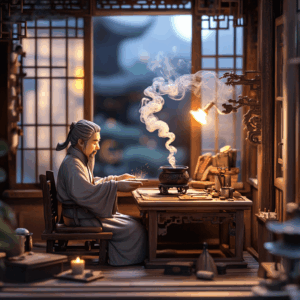
夜深以后,
我再次播放已经完成的《湘夫人》。
笔电里是熟悉的旋律。
一年前的作品没有因为重新书写而消失,
它们只是逐渐拥有更丰富的解释背景。
这一次,
我不再急着从诗歌中寻找自己,
而是希望更加认真地,
认识那些写下诗歌的人。
尾声|生命之曲仍在,书写的人已经不同
旋律依然是当年的旋律,
生命却已走过不同的风景。
楚辞没有替我写下答案,
却陪伴我继续寻找自己的道路。
熟悉的《湘夫人》再次响起,
我仿佛回到2025年的夏天。
那时的我带着这首歌旅行,
在不同城市之间反复聆听。
如今坐在德国的书桌前,
同样的旋律仍能唤起当年的记忆,
只是聆听它的人,
已经走过另一段创作旅程。
四十九首AI辅助谱曲作品,
后来逐渐拥有新的文字记录。
原典解读、历史叙事与双语创作,
与原有的音乐及影像相互连接。
这些作品保存了不同阶段的思考,
也留下可以继续阅读与聆听的记录。
我希望它们能够被妥善整理,
在未来继续与新的读者相遇。
最初的家族寻根,
确实改变了我研究楚国的方向。
但随着阅读与田野考察不断深入,
我发现自己已经拥有更多研究的理由。
即使不再谈论自己的祖源,
楚人的思想、制度与历史,
依然有许多值得追问的问题。
而这些问题,
也逐渐成为我持续创作的动力。
「令尹夫人」不再只是一个称呼,
而成为我历史叙事中的文学同行者。
她可以在想象中走进楚国宫廷,
与楚考烈王、春申君黄歇讨论往事。
但当电脑关闭、故事暂时结束,
我仍然生活在今天的现实世界。
还有课程需要准备,
还有研究、旅行与创作等待继续,
也还有许多人生问题尚未得到回答。
《楚辞》没有替我决定未来,
也无法解决现实生活中的所有难题。
屈原的坚持、渔父的变通,
以及《远游》中不断展开的追问,
都不能直接成为现代人生的答案。
但这些来自古代的不同声音,
让我开始尝试从更多角度,
理解自己的处境与选择。
我仍然珍惜最初谱写《湘夫人》的自己,
也珍惜那段曾经深深触动我的生命经历。
如果没有当时的情感与好奇,
或许就不会有后来的四十九首音乐,
也不会以这样的方式走近楚文明。
如今我已经不再以湘夫人自居,
却依然愿意认真聆听她的故事,
并继续认识那些写下诗歌的人。
窗外的城市仍然照常运转,
电脑里的《湘夫人》渐渐唱到尾声。
我关上音乐播放器,
又打开一份尚未完成的历史资料。
两千多年前的楚人,
无法回答今天所有的问题。
但他们留下的文字与思想,
仍然能够在新的时代,
被重新阅读、讨论与创造。
生命之曲仍在,
而书写的人,已经不同。
楚人对话后记|考烈王、黄歇与令尹夫人的观后感
德国的冬夜,窗外寒风吹过。
书桌上的最后一篇《楚辞》文章,
终于在 2026 年 11 月 18 日中午完成。
笔电里再次响起《湘夫人》的旋律。
楚考烈王望着屏幕上的文字,
春申君黄歇坐在一旁,
令尹夫人端起茶杯,
准备接受两位楚人的盘问。
考烈王微笑看着我:
「寡人听说,
妳去年为《楚辞》谱了四十九首曲子,
今年又把它们重新写了一遍?
妳究竟是喜欢唱歌,
还是喜欢写文章?」
我回答:
「大王,两样都喜欢。
去年先唱,今年才重新细读。
以前听见的是自己的心事,
如今开始看见你们那个时代的世界。」
去年我唱的是自己,
今年我开始唱你们;
同一首诗,
隔一年再听,
听见的已经不是同一个人。
黄歇接着问:
「那么,《湘夫人》呢?
妳不是一直称它为生命之曲?」
我笑答:
「当然。《湘夫人》记录了我当时的生命经历。
不过我已经不再以湘夫人自居了。
现在我是令尹夫人,
还要继续研究你们留下的历史。」
考烈王:
「这倒有趣!
去年还在湘水边等待,
今年就跑来与寡人和春申君讨论楚国大事。
妳这身份变得也太快了吧!」
黄歇:
「大王,她可不只是换了称呼。
去年她为楚人唱歌,
今年她开始查史料、读原典,
还要追问我们的政治得失。
臣如今说话,
都得小心有没有史料依据了!」
考烈王哈哈大笑:
「寡人倒想知道,
屈原若听见今日这些歌曲,
会作何感想?」
话音刚落,
屏幕上出现《离骚》的文字。
令尹夫人望着熟悉的诗句,
一时间没有回答。
窗外的风声掠过窗台,
仿佛也在等待她开口。
令尹夫人:
「大王,这个问题我不能替屈原回答。
我只能说,
两千多年后还有人愿意读他的诗,
为它谱曲,
也愿意花时间理解他所处的时代。」
黄歇:
「这就够了吗?」
令尹夫人:
「当然不够。
还有《楚王十二列传》要写,
还有楚简、楚帛书要继续研究。
你们以为写完《楚辞》,
我就可以退休了?」
考烈王:
「寡人明白了。
原来这不是收官,
是妳又给我们安排了新差事!」
黄歇:
「大王,臣早就知道。
她从寿春把我们带到德国,
哪里肯轻易放人?」
考烈王:
「既然如此,
今日总该让寡人休息片刻吧?
妳不是还有一首《云梦古舞|楚舞》吗?
寡人倒想听听,
两千多年后的楚人究竟怎么跳舞!」
令尹夫人:
「大王,这首《云梦古舞|楚舞》可不是四十九首《楚辞》谱曲之一,
而是后来另外创作的歌曲。
它同样承载着我的生命记忆。」
黄歇:
「既然是楚舞,光听可不够。
大王,您看是否该请令尹夫人亲自起舞?」
令尹夫人:
「研究楚国历史已经够忙了,
你还要给我增加表演任务?」
考烈王大笑:
「今日不论政事,也不考史料。
让音乐响起来吧!」
令尹夫人忍不住笑了,
伸手打开另一首音乐作品。
窗外仍是德国的寒冷冬夜,
书桌上散放着尚未整理的历史资料。
《湘夫人》的旋律已经结束,
《云梦古舞|楚舞》的音乐即将响起;
一段创作旅程暂时画上句点,
而新的历史故事,
仍在等待书写。
有些旋律,
记录我们曾经是谁;
有些文字,
让我们继续认识自己;
而历史的故事,
从来不会因为一篇文章写完,
就真正结束。
说明:本后记为依据《楚辞》、楚国历史与个人创作经历展开的跨时空文学想象,并非真实历史对话。
《云梦古舞|楚舞》|我的生命之曲之二
《云梦古舞|楚舞》是独立于四十九首《楚辞》AI辅助谱曲作品之外的原创歌曲,也是我另一首生命之歌。
Appendix|English Narrative Overview
When Chu Ci Met My Life
From Music and Ancestral Roots to Rediscovering the Texts
When the Same Song Begins to Tell a Different Story
A familiar melody fills my room in Germany. It is Xiang Furen (The Lady of the Xiang), one of the first songs I composed for my AI-assisted Chu Ci music project in 2025. Its ancient verses speak of longing, distance, and an encounter that never quite takes place. When I first heard them sung, they seemed to express something deeply personal: my own long search for belonging.
The music has not changed. But the person listening to it has.
What began as an experiment in bringing ancient Chinese poetry into contemporary music gradually became something much larger. I discovered a family tradition connecting my Huang lineage to Huang Xie, Lord Chunshen, a statesman of ancient Chu. I travelled to historical sites, studied excavated bamboo manuscripts, and began writing about the civilization behind the poetry.
By the winter of 2026, I was returning to the same Chu Ci compositions with different questions. I no longer wanted only to describe how the poems made me feel. I wanted to understand the world in which they had been written, the political circumstances they reflected, and the beliefs and questions that shaped their imagery.
This is the story of how forty-nine musical compositions became the beginning of a longer journey through literature, history, and personal discovery.
I. Summer 2025 | Giving Ancient Poetry a New Voice
The journey began with a conversation about the Jiu Ge (Nine Songs), a collection of ritual poems within the Chu Ci. Fascinated by their gods, landscapes, and human emotions, I wondered what these ancient verses might sound like if they were performed as songs today.
On 31 May 2025, I began experimenting with AI-assisted music composition. I discussed the texts and musical ideas with ChatGPT, Claude, and DeepSeek, then used Suno to generate melodies and vocal performances. My initial ambition was modest: to give the poems of the Nine Songs new musical forms.
One composition soon became especially important to me. Xiang Furen, with its autumn winds, distant shores, and unanswered longing, touched feelings connected to more than a decade of searching for a sense of belonging. I began calling it one of my “songs of life.”
During my travels through China that July, I listened to it repeatedly. Cities, railway journeys, and landscapes changed around me, while the same ancient words accompanied each stage of the journey. The song became more than a finished recording. It became a way of carrying a particular period of my life with me.
Yet producing the music was far from effortless. Classical Chinese contains uncommon characters that AI singing systems do not always pronounce correctly. Some verses were omitted, others were sung unclearly, and the structure of longer poems was difficult to preserve. Guo Shang (The Fallen Warriors), for example, required more than sixty attempts before I could accept a version.
The hardest work was not pressing the generate button. It was listening carefully, checking the original text, identifying errors, and deciding which results could preserve the character of the poetry.
By 18 August 2025, I had completed forty-nine AI-assisted musical compositions based on the Chu Ci. At the time, I had no knowledge of the ancestral tradition that would soon connect this creative project to my family history. I simply wanted the ancient poems to be heard again.
II. Autumn 2025 to Spring 2026 | From Poetry to the Historical World of Chu
On 31 August 2025, an unexpected family discovery changed the direction of my research. Genealogical records associated with the Jiangxia Huang lineage preserved a tradition linking the family to Huang Xie, Lord Chunshen, an influential political figure of the late Warring States period.
This was a genealogical tradition, not independently established proof of an unbroken ancestral line. Nevertheless, it prompted a new question. What did I actually know about the civilization whose poetry I had spent the summer setting to music?
In September, I travelled to Jingzhou in Hubei Province. Walking beside the old city walls and moat, wearing a red robe inspired by Warring States clothing, I began to experience Chu not simply as a literary setting but as a place with a geographical and historical presence. Museum collections of bronze, lacquerware, and other excavated objects revealed a society whose achievements extended far beyond poetry.
Back in Stuttgart, my research took another direction. Between 16 October and 3 December 2025, I worked through materials relating to excavated Chu bamboo and silk manuscripts, eventually producing sixty interpretive articles. The subjects ranged from cosmology and human nature to political thought, historical memory, and the organization of society.
On 4 December, I published a navigation map organizing these articles into five thematic groups. It was an attempt to connect different aspects of Chu civilization rather than treating each manuscript as an isolated discovery.
The work changed my understanding of ancient Chu. The Chu Ci had first drawn me into a world of gods, emotions, and poetic imagination. The manuscripts introduced a broader intellectual landscape in which people asked how the cosmos began, how human beings should live, and how political communities ought to be governed.
In spring 2026, I travelled to Shouchun, the site of a late Chu capital in present-day Shouxian, Anhui Province. I visited the Chu Culture Museum, explored the ancient city and its relationship with water, and travelled to places associated with Lord Chunshen and King Kaolie, including the Wuwangdun archaeological area.
These journeys did not provide simple answers to historical questions. Instead, they made me more conscious of the differences between archaeological evidence, transmitted texts, later traditions, and literary imagination.
During this period, I also developed a fictional identity for my historical dialogues: Lady Lingyin. She is not Huang Xie’s wife, nor a claim to any historical position. She is my literary counterpart, an imagined contemporary researcher who can converse across time with the rulers and ministers of Chu.
Through her, I could ask questions not only about personal loyalty and loss, but also about government, cities, rivers, political decisions, and the survival of civilizations.
III. Winter 2026 | Returning to the Poems I Had Already Sung
When I returned to my forty-nine compositions in 2026, I was no longer approaching them in quite the same way. The recordings were familiar, but the work before me was different. I began writing new interpretations that brought together the original texts, historical background, competing readings, and my own experiences.
The distinction became particularly clear with Xiang Furen. In 2025, I had primarily heard a story of longing that reflected my personal life. Now I was also reading it within the ritual and mythological world of the Nine Songs. The figures of Xiang Jun and Xiang Furen, the waters of the Xiang region, the fragrant plants, and the imagined encounters between divine beings belonged to a cultural tradition larger than my own memories.
The song remained one of my songs of life. But I no longer saw myself as Xiang Furen, waiting beside the water. I could preserve the emotional meaning of the music without making the ancient figure a permanent reflection of my identity.
Other poems raised questions that went beyond personal experience. In Li Sao (Encountering Sorrow) and Xi Wang Ri (Remembering Former Days), I began examining the political circumstances behind expressions of loyalty, disappointment, and frustrated ideals. What happens when trust between ruler and minister collapses? How do political institutions shape the choices available to someone who believes they are serving the state?
I had once responded to these poems mainly through feelings of disappointment and exclusion. Historical study made me more cautious. Understanding a poet’s loyalty does not mean that the entire political history of Chu can be reduced to a struggle between good and evil.
Huai Sha (Embracing Sand) and Yu Fu (The Fisherman) led me towards another problem: the relationship between moral principles and the need to survive. In Yu Fu, the figure of Qu Yuan insists on maintaining his integrity, while the fisherman offers a different approach to living in an imperfect world.
At first, I instinctively sympathized with the person who refused to compromise. On rereading the dialogue, however, I began to see that the fisherman was not necessarily without principles. He was proposing another response to circumstances that neither man could fully control.
Even the music-making process offered an unexpected parallel. I had hoped to present Yu Fu as a dialogue between two voices, but the final recording used one. Pronunciation problems also remained after repeated attempts. I had to decide whether to continue pursuing my original idea or accept a workable version. The technical choice was not comparable to Qu Yuan’s moral dilemma, but it reminded me that persistence and adaptation are questions encountered in very different forms of life.
With Yuan You (Far-off Journey) and Tian Wen (Questions to Heaven), my attention shifted from personal struggle to the intellectual imagination of ancient Chu. Yuan You moves beyond the ordinary human world into an immense landscape of celestial travel and spiritual exploration. What I had initially experienced as a journey of the imagination now seemed to raise questions about the limits of human understanding.
Tian Wen, with its succession of questions about the cosmos, mythology, and history, presented another challenge. During the music project, its structure had been difficult to adapt. In my later research, I became interested in what those questions revealed about ancient ways of explaining the world.
Reading manuscripts such as Tai Yi Sheng Shui and Heng Xian alongside the Chu Ci did not give me definitive answers. These texts cannot simply be treated as parts of one unified system. But their differences helped me recognize the variety of ideas circulating in early Chinese intellectual traditions.
The most important change was therefore not that I had finally understood Qu Yuan. I had not. It was that I had learned to distinguish more carefully between emotional identification, textual interpretation, historical evidence, and creative imagination.
IV. From Xiang Furen to Lady Lingyin | A Different Place in the Story
Looking back, I can see how my relationship with the Chu Ci gradually changed. In the summer of 2025, I often approached the poems through my own feelings. Ancient characters became mirrors in which I recognized parts of my life.
After months of research and travel, I wanted to move beyond those mirrors. Rather than asking only what a poem said about me, I began asking what it could reveal about the people who created, preserved, and interpreted it.
Lady Lingyin emerged from this change. In my fictional dialogues, she meets King Kaolie and Huang Xie not as a romantic figure or a historical claimant, but as someone who wants to understand their decisions and the world they inhabited.
She can question their political judgements, discuss the organization of Chu cities, and ask how rivers, institutions, and geography influenced the kingdom’s fate. The conversations are fictional, but the questions arise from real historical research.
This does not mean that I can speak for ancient Chu or know what its rulers would have thought. Many historical interpretations remain uncertain. My responsibility is to distinguish what the evidence supports from what belongs to literary invention.
The poems have not ceased to matter personally. Xiang Furen still preserves a particular chapter of my life. But it is no longer the only figure through which I understand myself.
V. From Music to Writing | A Growing Digital Chu Ci
By November 2026, the original music project had developed into a collection of connected creative works. The forty-nine compositions were accompanied by new textual interpretations, historical narratives, videos, and English-language introductions.
I wanted readers to do more than hear the melodies. I hoped they would also encounter the questions behind the poems, explore their historical settings, and develop interpretations of their own.
This work also changed the way I understood AI. The technology had made it possible to experiment with ancient poetry in forms I could not have produced alone. It helped generate music, organize material, compare passages, and develop written presentations.
But AI could not replace the original texts or decide which historical interpretations deserved trust. Those decisions still required careful reading, verification, revision, and human judgement.
The finished works became records of different stages of learning. A song preserved an emotional response from 2025. A later article documented the questions I was asking in 2026. Together, they formed a digital collection that could continue to be read, heard, studied, and preserved.
Epilogue | The Song Remains, but the Writer Has Changed
When I listen to Xiang Furen today, I still remember the summer in which it accompanied my travels. The music carries feelings that were real at the time, and I have no wish to erase them.
Yet the search for ancestral roots is no longer my only reason for studying Chu civilization. I have become interested in the questions themselves: how people understood the cosmos, organized their communities, governed their states, and responded to political uncertainty.
My literary identity as Lady Lingyin belongs to that continuing exploration. Outside the imagined conversations, however, I remain a person living in the present, preparing lessons, researching, travelling, creating, and facing questions about my own future that remain unresolved.
The Chu Ci has not provided answers to every difficulty in my life. Nor can the choices of ancient poets and philosophers be applied directly to modern circumstances. What these works have given me is another way of asking questions and considering different possibilities.
The music of Xiang Furen eventually comes to an end. I close the player and return to the historical materials waiting on my desk.
The song is still there, preserving the person I was when I first created it. But the person returning to the text has changed.
Across Civilizations
King Kaolie, Huang Xie, and Lady Lingyin | One Last Conversation Before the Next Journey
It was 18 November 2026. At my desk in Germany, I had finally completed the last article in my Chu Ci series. Outside, the cold wind moved through the streets. Inside, Xiang Furen was playing once more.
King Kaolie examined the screen while Huang Xie, Lord Chunshen, sat beside him. I lifted my cup of tea, wondering what questions the two men would ask this time.
“I hear you composed forty-nine songs last year,” the king began, “and have spent this year writing about them all over again. Tell me, Lady Lingyin, do you prefer singing or writing?”
“Both, Your Majesty,” I replied. “Last year, I first encountered the poems through music. This year, I began reading them more closely. I once heard my own feelings in their words. Now I am trying to understand the world in which those words were written.”
“So last year you were singing about yourself,” the king observed, “and this year you are singing about us?”
“In a way,” I said. “The same poem can sound different when the listener has changed.”
Huang Xie leaned forward. “And what about Xiang Furen? Was that not your song of life?”
“It still is,” I answered. “It preserves something important from my past. But I no longer see myself as the Lady of the Xiang. I have other questions now, and rather more historical research to finish.”
King Kaolie laughed. “Remarkable! One year you are waiting beside the Xiang River, and the next you are sitting with my minister and me, questioning the government of Chu. You change your role rather quickly!”
“Your Majesty,” Huang Xie replied, “she has done more than change her title. She has begun examining historical sources and asking whether our political decisions were justified. I must now be careful that everything I say has evidence behind it.”
The king laughed again, then glanced at the words of Li Sao appearing on the screen.
“Tell me something,” he said. “What would Qu Yuan think if he could hear these songs today?”
I considered the question before answering.
“I cannot speak for Qu Yuan, Your Majesty. I can only say that more than two thousand years later, people are still reading his poetry. Some are studying it, some are translating it, and I have tried to give it new musical forms.”
“Is that enough?” Huang Xie asked.
“Certainly not,” I replied. “I still have Twelve Biographies of the Kings of Chu to write. There are more bamboo and silk manuscripts to study, and more questions about the rivers, roads, and cities of your kingdom. Did you imagine I could retire after finishing the Chu Ci?”
“Now I understand!” King Kaolie declared. “You have not finished your work. You have simply assigned us another set of duties!”
“Your Majesty,” Huang Xie said with a smile, “she brought us all the way from Shouchun to Germany. I never expected her to let us leave so easily.”
The king shook his head in amusement.
“Then at least allow me a little rest from politics. I hear you have another composition, Ancient Dance of Yunmeng | Chu Dance. Let us hear how people imagine dancing in Chu more than two thousand years after our time.”
“That is a different song,” I explained. “It was created separately from the forty-nine Chu Ci compositions. It is another of my songs of life.”
“A dance, then!” Huang Xie said. “Surely listening is not enough. Perhaps Lady Lingyin should perform it for us.”
“Lord Chunshen,” I protested, “I already have enough historical research to complete. Must you give me another assignment?”
King Kaolie burst into laughter.
“No political debates tonight,” he announced. “No questions about historical evidence. Let the music begin!”
I reached for the computer and opened the next recording.
Outside, the German winter continued. On my desk, the unfinished research materials were still waiting. The final notes of Xiang Furen had faded, and Ancient Dance of Yunmeng | Chu Dance was about to begin.
One creative journey had reached its conclusion. Another was already taking shape.
Some melodies preserve who we once were. Some writings help us understand who we are becoming. And history does not truly end simply because the final paragraph of an article has been written.
Historical and literary note: This dialogue is a fictional encounter across time, inspired by the Chu Ci, the history of ancient Chu, and my personal creative journey. King Kaolie and Huang Xie, Lord Chunshen, belonged to a later historical generation than Qu Yuan. Lady Lingyin is a contemporary literary persona, not a historical figure or a claim of marriage to Huang Xie.
🤖 人工智能协作声明
本文的主题选择、田野调查、资料搜集、核心观点与中文原始内容,均由作者独立完成。创作过程中,作者与人工智能模型,进行持续协作,包括多轮讨论、思路推演、叙事节奏调整、部分翻译、英文 Narrative Overview 生成、语言检查、结构检测与文字润饰。
人工智能在此过程中,作为创作协作者,参与内容发展与语言表达,但不作为法律意义上的作者或著作权主体。所有 AI 协作产生的内容,均由作者依据田野资料、原始文献与中文母稿,进行选择、审校、修改与艺术化重构。文章的叙事方向、内容取舍、创作决策、最终表达与价值判断,均由作者决定并负责。
📜 本站所有原创作品均已完成区块链存证,确保原创凭证。部分重点作品另行提交国家版权登记,作为正式法律备案。原创声明与权利主张已公开。完整说明见:
👉 原创声明 & 节奏文明版权说明 | Originality & Rhythm Civilization Copyright Statement – NING HUANG
节奏文明存证记录
本篇博客文为原创作品,由黄甯与 AI 协作生成,于博客网页首发后上传至 ArDrive 区块链分布式存储平台进行版权存证:
- 博客首发时间:2026年11月23日
- 存证链接:5366668d-cbb0-4d4d-b501-0ff212de213b (arweave.net)(已于 2026年11月18日上传)
- 原创声明编号:Rhythm_Archive_23_Nov_2026/when-chu-ci-met-my-life
- 用途声明:本文为《节奏文明观》之篇章,亦参与构建《AI×非遗文明共构档案》与《文明节奏回声计划》,用于文明节奏实地记录、区块链存证、跨域协作与版权登记用途。
© 黄甯 Ning Huang, 2026. All Rights Reserved.
本作品受版权法保护,未经作者书面许可,禁止复制、改编、转载或商用,侵权必究。
📍若未来作品用于出版、课程、NFT或国际展览等用途,本声明与区块链记录可作为创作时间及原创性的佐证。