海事博物馆系列|Maritime Museum Series
本系列聚焦德国及世界各地的海事博物馆、科技博物馆与海事文化机构,
从船舶、港口、河流、航海、贸易到工业遗产,
探索博物馆如何保存人类与海洋、河流及航运之间的历史联系,
以及海事技术与文化如何推动文明的发展。
系列结合历史研究与田野调查,
记录各馆的典藏特色、历史背景、展览叙事与文化保存工作,
并透过实地参访、展品观察与跨馆比较,
研究博物馆如何将船舶、技术与历史转化为公众可以理解的知识。
这里关注的不只是博物馆与展品,
也是人类如何透过收藏、研究、展示与教育,
保存航海知识、造船工艺、港口记忆与工业文明,
让跨越时代与地域的海事文化持续被理解与传承。
Maritime Museum Series
This series explores maritime museums, technology museums and maritime heritage institutions across Germany and beyond. From ships, ports and waterways to navigation, trade and industrial heritage, it examines how museums preserve the historical relationships between people, maritime environments and transportation, and how maritime technology and culture have shaped human civilization.
Combining historical research with fieldwork, the series examines museum collections, historical contexts, exhibition narratives and heritage preservation. Through museum visits, close observation of artifacts and comparisons across institutions, it explores how museums transform ships, technologies and historical experiences into accessible public knowledge.
Beyond museums and their collections, the series investigates how collecting, research, exhibitions and education preserve navigational knowledge, shipbuilding craftsmanship, port memories and industrial heritage, ensuring that maritime culture continues to be understood and passed on across generations.
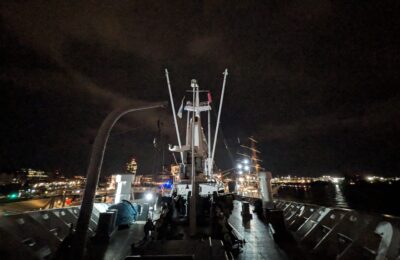
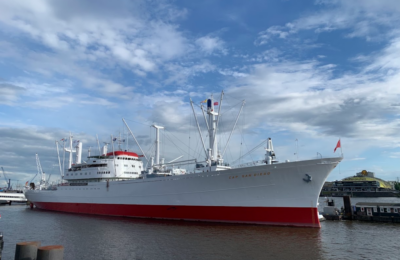
Cap San Diego 夜晚里的甲板,作者摄于2026年9月2日汉堡田野。
在汉堡 Cap San Diego 远洋货船上住一夜,从驾驶台、机舱到船员生活空间,重新理解一艘船如何在有限船体中同时容纳机器、货物、工作与人的生活。
An overnight stay aboard Hamburg’s Cap San Diego reveals how an ocean-going freighter fits machinery, cargo, work and human life within the finite space of a ship.
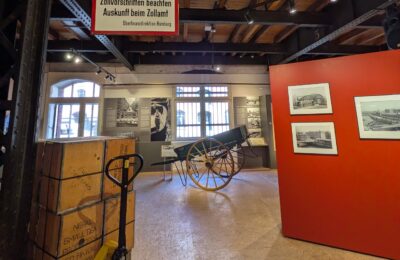
仓库博物馆(Speicherstadtmuseum) 室内照,作者摄于2026年8月31日汉堡田野。
从一袋漂洋过海抵达汉堡的咖啡豆出发,走进仓库城博物馆,追踪货物从远洋船、驳船到仓库的旅程。从仓储管理人的称重、取样与分类,到自由港、水道、海关边界与城市拆迁,看不断扩大的全球贸易如何重新组织汉堡的空间,也认识博物馆创始人 Henning Rademacher 如何保存这段历史。最后,让汉堡与两千多年前依江河、舟楫与商贸发展的楚文明,展开一场跨越时空的对话。
Follow a sack of coffee as it travels across the ocean into Hamburg’s Speicherstadtmuseum, from ships and harbour barges to warehouses, weighing, sampling and storage. The journey reveals how expanding global trade created new waterways, customs boundaries and the free port, while reshaping inhabited parts of Hamburg itself. It also leads to museum founder Henning Rademacher and the preservation of this history, before bringing Hamburg into a cross-civilizational dialogue with the river, trade and transport world of ancient Chu.
为什么汉堡要保存世界最大的可航行博物馆货船 Cap San Diego?本文介绍 Hamburg Süd 著名的 Cap San 系列,解析传统杂货船如何运作,以及货柜革命如何彻底改变全球物流系统,并探讨德国为何选择保留这艘传奇货船,见证二十世纪远洋贸易与工业文明的重要历史。
Why does Hamburg preserve Cap San Diego, the world's largest operational museum cargo ship? This article explores the history of the famous Hamburg Süd vessel, explains how conventional cargo shipping worked before containerization, and examines why Germany chose to preserve this remarkable witness to twentieth-century global trade and industrial civilization.
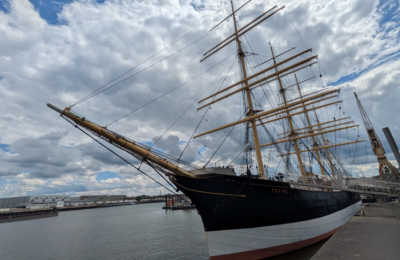
为什么德国愿意花费巨资,把一艘百年帆船带回汉堡?本文介绍德国传奇四桅帆船 PEKING 的历史,从 Flying P-Liner 船队、智利硝石贸易、合恩角航线,到两次世界大战后的命运,以及德国为何决定将它运回并修复。透过 PEKING 的故事,重新认识汉堡港在全球航运史中的重要地位,以及风帆时代如何连接欧洲与世界。
Why did Germany spend millions of euros to bring the legendary sailing ship PEKING back to Hamburg? This article explores the history of the famous Flying P-Liner, its voyages around Cape Horn, the Chile nitrate trade, and its remarkable return to Germany after more than a century overseas. Through PEKING's story, discover Hamburg's role in global maritime history and the legacy of the age of sail.
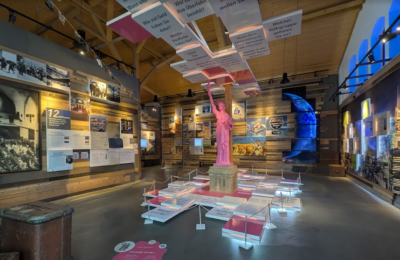
五百万人离开欧洲,不是五百万次偶然。从故乡到纽约,从中间舱到 Ellis Island,BallinStadt 移民博物馆讲述的不只是一场移民潮,更是 Albert Ballin 如何将船票、航线、住宿、检查与港口组织成一套跨越大西洋的人口流动网络,以及五百万个名字如何穿越海洋与时间,被后人重新找到。
More than five million people left Europe through Hamburg, but their journeys were not acts of chance. From steerage cabins and transatlantic routes to Ellis Island inspections, BallinStadt reveals how Albert Ballin helped organize one of the largest migration networks in modern history—and how five million names continue to connect descendants with their past across generations.
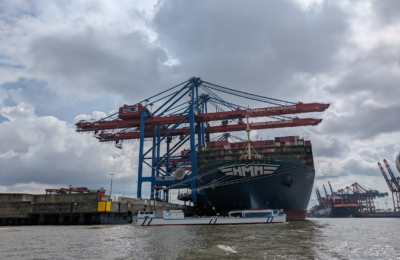
《让世界流动的箱子》是《穿越海洋的人》的姐妹作。前一篇写穿越海洋的人,这一篇写穿越海洋的货物。透过汉堡国际海事博物馆的展板与展品,本文从咖啡贸易、冷链运输到集装箱革命,追溯货物如何跨越海洋、穿过港口,并最终抵达我们的日常生活。
A companion piece to People Who Crossed the Ocean, this article explores the journeys of goods rather than people. Through exhibits at the International Maritime Museum Hamburg, it follows coffee, refrigerated cargo and container shipping to show how ports, ships, cold chains and containers bring distant places into everyday life.
在汉堡国际海事博物馆,我原本以为自己会看见船舶的发展史,却意外走进了一段关于人的历史。从跨越数百年的船模收藏,到船员的作息、职业分工、饮食、节庆与海上传统,这座博物馆记录的不只是船如何航行,也记录了人如何在远离陆地之后继续生活。船连接了大陆,海洋连接了世界,而那些长期生活在船上的人,则让跨越海洋成为可能。走完整个展区之后,我渐渐发现,海洋史看起来属于船,真正留下痕迹的,却是那些曾经穿越海洋的人。
At the International Maritime Museum Hamburg, I expected to learn about ships, but instead found myself exploring a history of people. Through ship models, sailors’ routines, professions, food, celebrations, and maritime traditions, the museum reveals not only how ships crossed the oceans, but also how people continued to live far from land. Ships connected continents, oceans connected the world, and generations of sailors made those connections possible. By the end of the exhibition, I realized that maritime history is not only a story of vessels and technology, but also a story of the people who crossed the sea and carried their lives with them.
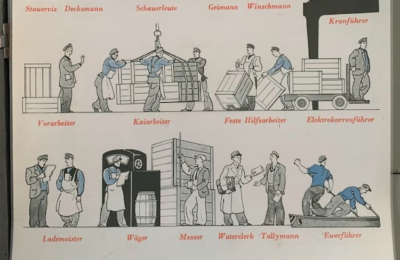
汉堡港曾拥有五十多种职业。从系缆工、驳船船夫到港口潜水员与船务联络员,这些劳动者共同维持着货物、信息与港口的流动。《让港口流动的人》透过汉堡港口博物馆,重新看见那些逐渐消失的职业与劳动世界。
Hamburg Harbor once supported more than fifty different occupations. From mooring workers and barge boatmen to harbor divers and water clerks, these people kept goods, information, and the port itself in motion. Through the Deutsches Hafenmuseum, this article explores the working world behind the harbor and the professions that have gradually disappeared with modernization.