以身体为笔,以节奏为语,为这个时代写下一个充满气韵的节奏地图。
Rhythm Landscape Writing uses the body as a pen and rhythm as language,
to inscribe a map of this era filled with breath and resonance.
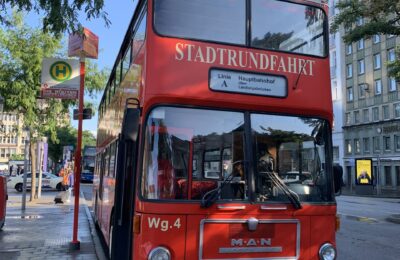
搭乘汉堡 Die Roten Doppeldecker 红色双层观光巴士,从二十个停靠站重新阅读港口、仓库城、市政厅、阿尔斯特湖与 HafenCity,并思考一条观光路线如何成为城市介绍自己的方式。
A field journey aboard Hamburg’s red double-decker sightseeing bus explores how twenty stops connect the harbour, Speicherstadt, Rathaus, Alster and HafenCity—and how a sightseeing route becomes a way for a city to tell its own story.
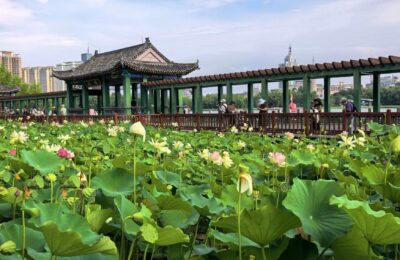
一组来自北京的莲花池照片,让我重新想起花莲童年的池塘,也重新理解北京这座城市。北京西站旁的莲花池已有三千多年历史,它不仅孕育了早期北京,更见证了城市、铁路与时代的变迁。本文从一池水出发,重新阅读北京,也重新思考水如何塑造文明、保存记忆,以及人与水之间跨越时空的连接。
A series of photographs from Beijing's 3,000-year-old Lotus Pond inspired a journey through memory, water, and urban history. Located beside Beijing West Railway Station, Lotus Pond reveals how ancient water shaped the city long before railways arrived. Through personal memories, historical research, and the perspective of water civilization, this article explores how rivers, lakes, ponds, and canals preserve the memory of both cities and civilizations.
In April 2026, I traveled from Beijing and Henan to Shouchun, Shanghai, and Taipei, tracing what I later called the “Central Plains–Chu Route.” This is not simply a travel record, but a reading guide to twelve interconnected essays. From the Huangdi ceremony and the operational logic of Chu, to imperial ritual spaces, Lord Chunshen, Shanghai, and the backstage of railway maintenance, this journey became an exploration of how civilizations sustain themselves over time.
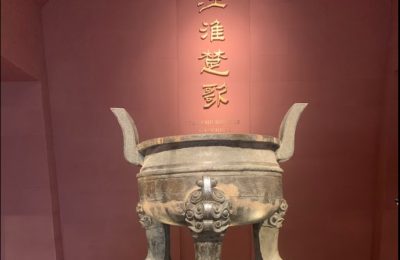
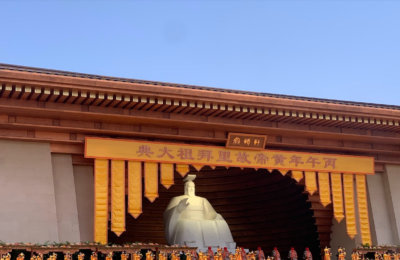
2026年4月,我从北京、河南、寿春、上海一路走到台北,重新整理这一条“中原—楚地线”。这不是一篇单纯的旅行记录,而是12篇文章的阅读导航:从黄帝拜祖、楚国后台、先农坛与国博里的楚考烈王,到黄歇与上海、台北铁道博物馆,我开始重新思考,一个文明如何长期维持运行。
In April 2026, I traveled from Beijing and Henan to Shouchun, Shanghai, and Taipei, tracing what I later called the “Central Plains–Chu Route.” This is not simply a travel record, but a reading guide to twelve interconnected essays. From the Huangdi ceremony and the operational logic of Chu, to imperial ritual spaces, Lord Chunshen, Shanghai, and the backstage of railway maintenance, this journey became an exploration of how civilizations sustain themselves over time.
从北京、河南到楚地,这趟田野里,我开始同时看见两种身体进入文明的方式。一种沿着被设计好的路径前进:研学路线、黄帝拜祖、博物馆导览、教材与展线;另一种,则是在不断行走之后才慢慢出现:高铁上的《九歌》、寿春古城的水系、月坝、节气动作,以及身体对空间的感应。这篇文章,并不是讨论“如何参观文化”,而是一次关于“文明如何进入身体”的现场观察。
From Beijing and Henan to the ancient Chu region, this field journey gradually revealed two different ways the body enters civilization. One follows a designed path: museum study tours, ritual sequences, guided routes, textbooks, and exhibition narratives. The other emerges only through movement itself: the Songs of Chu played on a high-speed train, the water systems of Shouchun, the moon dam, seasonal labor movements, and the body’s own response to space. This essay is not about how to visit culture, but about how civilization enters the body through rhythm, movement, and lived experience.
从黄帝拜祖大典、河南博物院、《只有河南》戏剧幻城,到少林寺、嵩阳书院与胖东来,本文所看见的,不只是历史遗址,而是一个直到今天仍持续运行中的中原文明系统。本文从身体、秩序、空间、人流与集体节奏出发,重新理解“宅兹中国”背后的文明逻辑。
From the Yellow Emperor Worship Ceremony and the Henan Museum to Only Henan, Shaolin Temple, Songyang Academy, and Pangdonglai, this essay explores Henan not as a collection of historical sites, but as a civilization still operating today. Through bodies, order, movement, space, and collective rhythm, it reexamines the deeper logic behind the idea of “Zhai Zi Zhong Guo” — establishing the center of the world.
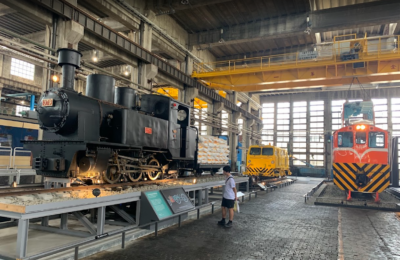
2026年4月,走进台北国家铁道博物馆与台湾历史博物馆铁道园区,从旧机厂、牵引马达、票务系统、月台与CTC调度,重新理解铁路如何让一座岛屿持续流动。这不只是铁道史,更是一场关于维修、节奏、网络与文明如何长期运转的田野观察。
In April 2026, a visit to the National Railway Museum of Taiwan and the railway exhibition area of the National Museum of Taiwan History became a journey into old workshops, traction motors, ticketing systems, platforms, and CTC dispatching. More than railway history, it became a field observation on maintenance, rhythm, networks, and how civilizations sustain long-term movement over time.
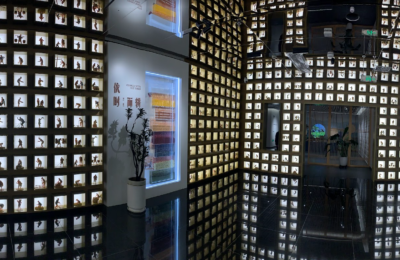
在安徽寿县的二十四节气馆里,我原本以为自己看到的,只是关于节气与农耕的地方展示。但随着展厅一路展开,从《淮南子》、农谚、劳动动作,到食物、茶与药,我开始意识到:二十四节气真正厉害的地方,或许从来不是“时间知识”,而是它如何让时间,一代一代进入人的身体。
At the Twenty-Four Solar Terms Museum in Shouxian, Anhui, I initially thought I was entering a small local exhibition about farming traditions and seasonal knowledge. But as the exhibition unfolded — from the Huainanzi, folk agricultural sayings, and repetitive labor movements, to food, tea, and medicine — I gradually realized that the true power of the Twenty-Four Solar Terms was never simply about “timekeeping.” It was about how a civilization allowed time itself to enter the human body, generation after generation.
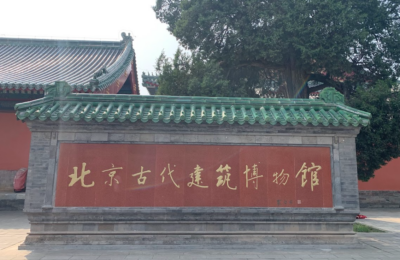
从木、土与梁架开始,到门、中轴、藻井与《营造法式》,北京古代建筑博物馆让我重新理解:中国古代建筑真正处理的,并不只是“盖房子”,而是如何把秩序、权力、身体与文明长期稳定地组织进空间之中。文章最后,也从纪南城与楚都水系出发,重新思考“生成中的城市”与“被冻结的帝国空间”之间的差异。
From timber, bricks, and structural frames to gates, central axes, caisson ceilings, and the Yingzao Fashi, the Beijing Ancient Architecture Museum revealed that traditional Chinese architecture was never merely about constructing buildings. It was a long-term spatial system for organizing order, power, bodies, and civilization itself. The article concludes by contrasting the fluid water-city logic of Chu and Ji’nan City with the increasingly standardized spatial order of later imperial capitals.
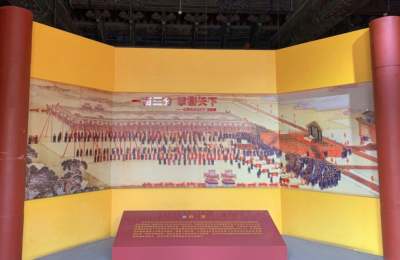
走进北京先农坛后,才会发现:祭祀,并不是从祭坛开始,而是从土地开始。从一亩三分地,到神仓、神厨、宰牲亭、乐舞与观耕台,这篇文章重新观看中国古代祭礼如何一步步把粮、器、牲、身体与时间整理进秩序之中。
Inside Beijing’s Xiannongtan, ritual does not begin at the altar, but with the land itself. From the imperial ploughing field to the sacred granary, kitchen, sacrificial pavilion, music and ritual dance, this essay traces how ancient Chinese state ritual transformed grain, objects, bodies, and time into an ordered ceremonial world.