从河流、
运河、
桥梁到航道,
我关注德国如何利用水系连接城市、
运输货物,
并推动经济与文明的发展。
这里讨论的不只是水道,
也是工程、
航运、
维护与人与河流长期共处的故事。
Through rivers,
canals,
bridges and waterways,
I explore how Germany has used its water networks to connect cities,
transport goods,
and support the development of economy and civilization.
This is not only a story of waterways,
but also of engineering,
navigation,
long-term maintenance,
and the relationship between people and rivers.
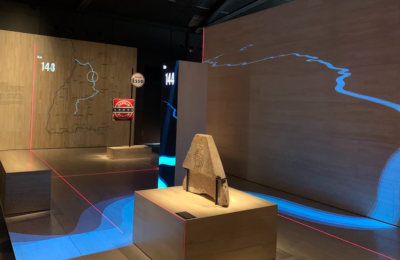
如果莱茵河塑造了德国,那么内卡河塑造了巴登-符腾堡。本文结合斯图加特巴符州历史之家博物馆与海尔布隆市立博物馆,沿着内卡河367公里的流向,走访河源、大学城、工业城市、葡萄酒产区、港口与现代航运,探索河流如何串联城市、交通、产业与文明,并从楚国鄂君启金节交通路线图,看见东西方共同的河流文明。
If the Rhine shaped Germany, the Neckar shaped Baden-Württemberg. This article explores the 367-kilometer Neckar River through the House of History Baden-Württemberg and Heilbronn City Museum, revealing how rivers connect cities, transport, industry and regional identity. From river source to inland navigation, it also draws an unexpected dialogue with the ancient transportation routes of the Chu State in China, showing how civilizations have always grown along rivers.
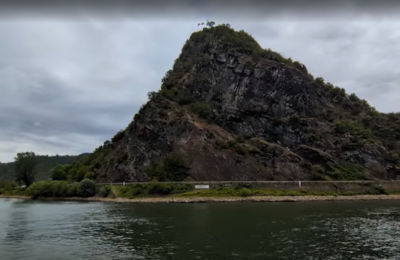
从科布伦茨莱茵博物馆、St. Goar、罗蕾莱到莱茵河航程,本次田野重新认识欧洲最重要的河流之一。莱茵河不仅创造了鱼类、渔业、城堡、神话与航运,也通过测量、疏浚、引航与管理,被持续维持为一条流动的道路。从独木舟到集装箱船,这条河所连接的,不只是货物,更是欧洲数千年来不断延续的流动能力。
From the Rhine Museum in Koblenz to St. Goar, Loreley, and a river journey to Rüdesheim, this field study explores how the Rhine became one of Europe’s most important rivers. The Rhine created fisheries, trade, castles, myths, and navigation, while generations of people maintained its flow through surveying, dredging, piloting, and waterway management. From dugout canoes to container ships, the Rhine connects not only goods, but also a long tradition of movement that continues to shape Europe today.
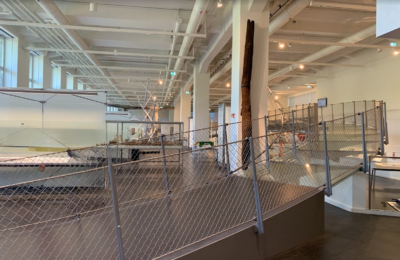
在慕尼黑德意志博物馆的桥梁与水利馆里,我原本以为自己是在看桥梁工程,后来才发现,真正出现在眼前的,是文明如何维持流动。从穿越阿尔卑斯山的隧道、早期桥梁的身体工程、德国工业文明对于承重与稳定的执着,到罗马输水系统、河流治理与生态复育,这座展馆不断重复同一个问题:如何让流动持续而不崩塌。桥、铁路、水利与河道看似不同,背后处理的却是同一件事——如何让重量、水流、时间与社会长期稳定运转。
At the Bridge and Hydraulic Engineering Exhibition of the Deutsches Museum in Munich, I expected to learn about bridges. Instead, I found myself exploring how civilizations sustain flow. From Alpine tunnels and the bodily experience of early bridge construction to Germany’s obsession with load-bearing stability, Roman aqueducts, river engineering, and ecological restoration, the exhibition repeatedly returned to the same question: how can movement continue without collapse? Bridges, railways, waterways, and hydraulic systems may appear different, yet they all address the same challenge—how to keep weight, water, time, and society moving in long-term balance.