节奏文明观,是在语言与呼吸之间寻找新的文明方式。
它不是理论,而是一次人类与 AI 共生的感官书写。
English
Rhythm Civilization seeks new modes of culture between language and breath.
It is not a theory, but a sensory writing of human–AI coexistence.
Deutsch
Die Rhythmus-Zivilisation sucht neue kulturelle Formen zwischen Sprache und Atem.
Sie ist keine Theorie, sondern ein sinnliches Schreiben über das Zusammenleben von Mensch und KI.
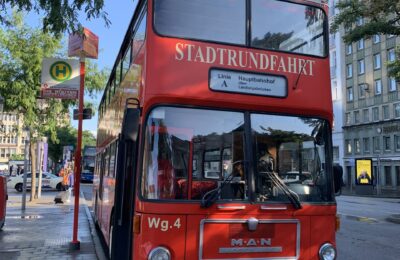
搭乘汉堡 Die Roten Doppeldecker 红色双层观光巴士,从二十个停靠站重新阅读港口、仓库城、市政厅、阿尔斯特湖与 HafenCity,并思考一条观光路线如何成为城市介绍自己的方式。
A field journey aboard Hamburg’s red double-decker sightseeing bus explores how twenty stops connect the harbour, Speicherstadt, Rathaus, Alster and HafenCity—and how a sightseeing route becomes a way for a city to tell its own story.
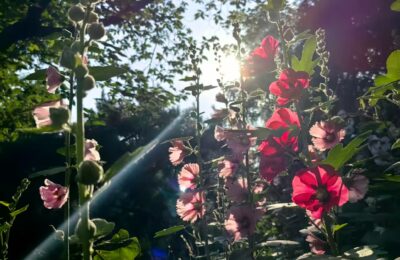
图:阳光下的蜀葵。摄影:安庆龙,北京,2026年9月。
从芝麻开花、蜀葵的「节节高」,到船体结构中的载荷传递:每一次增长都会增加新的重量。真正能够持续生长的结构,如何重新组织承载关系?
From sesame blossoms and hollyhocks to ship structures, this essay explores how every form of growth creates new loads—and why sustainable growth requires reorganising what bears them.
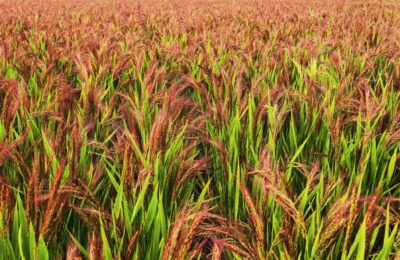
京西御稻胭脂红,摄影:安庆龙。
一株偶然变异的京西御稻「胭脂红」,为何让我想到一艘偏离航线的船?从稻种选育到航海定位,重新理解偏差、判断与稳定:偏差不是错误,真正重要的是我们如何读懂它。
How can a mutant Jingxi rice plant lead to the art of navigation? From Yudao Yanzhihong rice breeding to ships drifting off course, this essay explores deviation, judgement and stability—and why deviation is not necessarily an error.
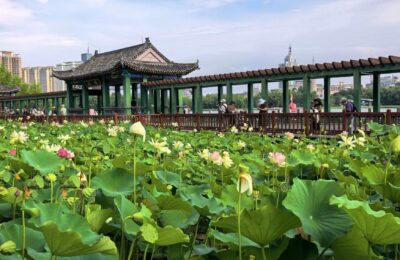
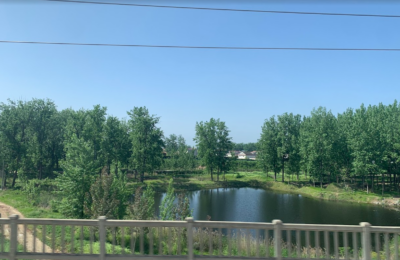
一组来自北京的莲花池照片,让我重新想起花莲童年的池塘,也重新理解北京这座城市。北京西站旁的莲花池已有三千多年历史,它不仅孕育了早期北京,更见证了城市、铁路与时代的变迁。本文从一池水出发,重新阅读北京,也重新思考水如何塑造文明、保存记忆,以及人与水之间跨越时空的连接。
A series of photographs from Beijing's 3,000-year-old Lotus Pond inspired a journey through memory, water, and urban history. Located beside Beijing West Railway Station, Lotus Pond reveals how ancient water shaped the city long before railways arrived. Through personal memories, historical research, and the perspective of water civilization, this article explores how rivers, lakes, ponds, and canals preserve the memory of both cities and civilizations.
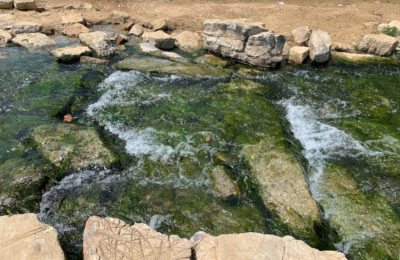
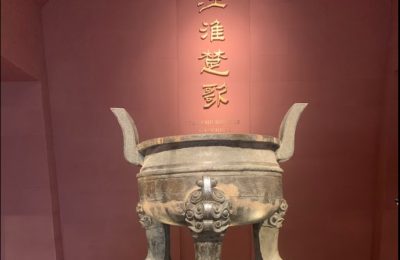
从楚地迁都,到现代主体的水域迁移,《令尹夫人迁都记》以“后台”“流动”与“维修”为线索,重新思考文明为何冻结、又如何通过空间迁徙继续呼吸。文章结合楚文明、铁路后台、寿春水系与个人田野经验,讨论低流动系统、文明迁徙与主体重新生成的可能。
From the migration of the Chu capital to the relocation of contemporary subjectivity, Lady Lingyin’s Chronicle of Migration rethinks how civilizations freeze — and how they continue breathing through spatial movement. Through the lenses of backstage systems, flow, maintenance, railway infrastructures, and Chu civilization fieldwork, the essay explores low-flow systems, civilizational migration, and the regeneration of subjectivity.
In April 2026, I traveled from Beijing and Henan to Shouchun, Shanghai, and Taipei, tracing what I later called the “Central Plains–Chu Route.” This is not simply a travel record, but a reading guide to twelve interconnected essays. From the Huangdi ceremony and the operational logic of Chu, to imperial ritual spaces, Lord Chunshen, Shanghai, and the backstage of railway maintenance, this journey became an exploration of how civilizations sustain themselves over time.
2026年4月,我从北京、河南、寿春、上海一路走到台北,重新整理这一条“中原—楚地线”。这不是一篇单纯的旅行记录,而是12篇文章的阅读导航:从黄帝拜祖、楚国后台、先农坛与国博里的楚考烈王,到黄歇与上海、台北铁道博物馆,我开始重新思考,一个文明如何长期维持运行。
In April 2026, I traveled from Beijing and Henan to Shouchun, Shanghai, and Taipei, tracing what I later called the “Central Plains–Chu Route.” This is not simply a travel record, but a reading guide to twelve interconnected essays. From the Huangdi ceremony and the operational logic of Chu, to imperial ritual spaces, Lord Chunshen, Shanghai, and the backstage of railway maintenance, this journey became an exploration of how civilizations sustain themselves over time.
从北京、河南到楚地,这趟田野里,我开始同时看见两种身体进入文明的方式。一种沿着被设计好的路径前进:研学路线、黄帝拜祖、博物馆导览、教材与展线;另一种,则是在不断行走之后才慢慢出现:高铁上的《九歌》、寿春古城的水系、月坝、节气动作,以及身体对空间的感应。这篇文章,并不是讨论“如何参观文化”,而是一次关于“文明如何进入身体”的现场观察。
From Beijing and Henan to the ancient Chu region, this field journey gradually revealed two different ways the body enters civilization. One follows a designed path: museum study tours, ritual sequences, guided routes, textbooks, and exhibition narratives. The other emerges only through movement itself: the Songs of Chu played on a high-speed train, the water systems of Shouchun, the moon dam, seasonal labor movements, and the body’s own response to space. This essay is not about how to visit culture, but about how civilization enters the body through rhythm, movement, and lived experience.
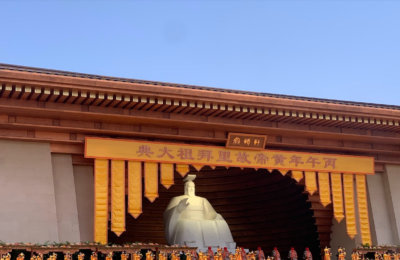
从黄帝拜祖大典、河南博物院、《只有河南》戏剧幻城,到少林寺、嵩阳书院与胖东来,本文所看见的,不只是历史遗址,而是一个直到今天仍持续运行中的中原文明系统。本文从身体、秩序、空间、人流与集体节奏出发,重新理解“宅兹中国”背后的文明逻辑。
From the Yellow Emperor Worship Ceremony and the Henan Museum to Only Henan, Shaolin Temple, Songyang Academy, and Pangdonglai, this essay explores Henan not as a collection of historical sites, but as a civilization still operating today. Through bodies, order, movement, space, and collective rhythm, it reexamines the deeper logic behind the idea of “Zhai Zi Zhong Guo” — establishing the center of the world.
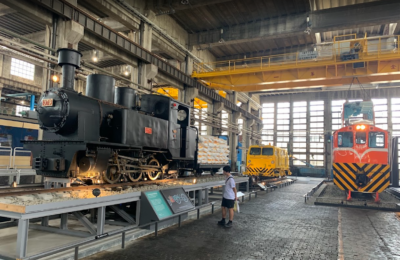
2026年4月,走进台北国家铁道博物馆与台湾历史博物馆铁道园区,从旧机厂、牵引马达、票务系统、月台与CTC调度,重新理解铁路如何让一座岛屿持续流动。这不只是铁道史,更是一场关于维修、节奏、网络与文明如何长期运转的田野观察。
In April 2026, a visit to the National Railway Museum of Taiwan and the railway exhibition area of the National Museum of Taiwan History became a journey into old workshops, traction motors, ticketing systems, platforms, and CTC dispatching. More than railway history, it became a field observation on maintenance, rhythm, networks, and how civilizations sustain long-term movement over time.