从海洋、
航运、
港口到跨洋迁徙,
我关注人们如何跨越海洋,
连接不同大陆,
并推动文化、
贸易与文明的交流。
这里讨论的不只是航线,
也是迁徙、
相遇、
离别与世界彼此连结的故事。
Through the sea,
shipping,
ports and transoceanic migration,
I explore how people crossed the oceans,
connected continents,
and fostered exchanges in culture,
trade and civilization.
This is not only a story of sea routes,
but also of migration,
encounters,
farewells,
and the ways our world became connected.
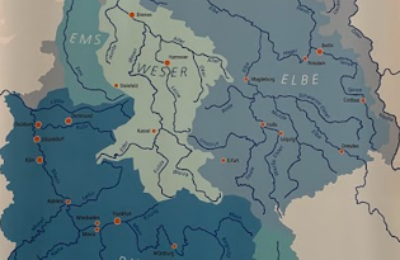
德国为什么拥有欧洲最发达的内河航运网络?本文走进杜伊斯堡德国内河航运博物馆,从河流、运河、船闸、船舶、水上人家到欧洲最大的内河港,认识德国如何把一条条河流连接成覆盖全国的水路网络,并透过内河航运推动工业、港口、城市与欧洲物流的发展。
Why does Germany have one of Europe's most advanced inland waterway networks? This article visits the German Inland Waterways Museum in Duisburg to explore how rivers, canals, locks, inland vessels, and life aboard ships formed an integrated transport system. It also explains how Duisburg, Europe's largest inland port, connects Germany's waterways, industry, logistics, and the wider European network.
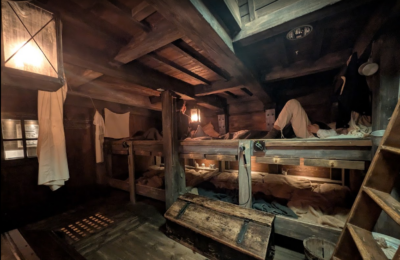
《海上的移民生活》走进德国不来梅哈芬德国移民之家博物馆,跟随一位真实移民的身份卡,从候船大厅、远洋客轮、海上生活到艾利斯岛检查站,重新走过十九、二十世纪欧洲移民跨越大西洋的旅程。文章记录博物馆沉浸式展示、海上生活与移民制度,呈现六周到十五周远洋航程,以及移民抵达新大陆之前所经历的人生历程。
Life at Sea for Immigrants follows the immersive exhibition of the German Emigration Center in Bremerhaven through the identity card of a real emigrant. Beginning in the waiting hall and continuing through the departure pier, the ocean voyage, life aboard the ship, and Ellis Island, the article retraces the transatlantic journey of European emigrants in the nineteenth and twentieth centuries. It documents the museum's immersive exhibition, daily life at sea, and the immigration procedures that shaped the experience of migration before the beginning of a new life in a new continent.
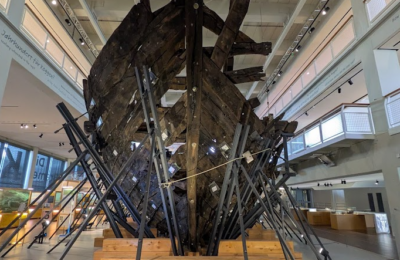
德国航海博物馆收藏着著名的不来梅柯格船,也记录着德国造船业数百年的发展历程。从汉萨商船的文化记忆,到放样楼、焊接车间与下水典礼,再到工会、移民工人与现代船厂转型,这篇文章关注的不是船如何航行,而是船如何被造出来,以及那些让船得以诞生的人。
The German Maritime Museum in Bremerhaven preserves the famous Bremen Cog and documents centuries of shipbuilding history. From the cultural memory of Hanseatic ships to lofting floors, welding workshops, launch ceremonies, trade unions, migrant workers, and the transformation of modern shipyards, this article explores not how ships sail, but how they are built—and the people who make them possible.
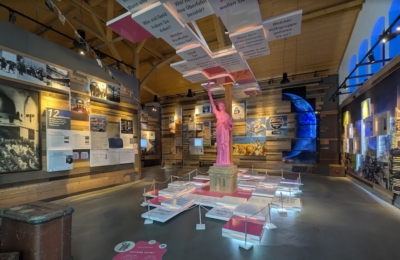
五百万人离开欧洲,不是五百万次偶然。从故乡到纽约,从中间舱到 Ellis Island,BallinStadt 移民博物馆讲述的不只是一场移民潮,更是 Albert Ballin 如何将船票、航线、住宿、检查与港口组织成一套跨越大西洋的人口流动网络,以及五百万个名字如何穿越海洋与时间,被后人重新找到。
More than five million people left Europe through Hamburg, but their journeys were not acts of chance. From steerage cabins and transatlantic routes to Ellis Island inspections, BallinStadt reveals how Albert Ballin helped organize one of the largest migration networks in modern history—and how five million names continue to connect descendants with their past across generations.