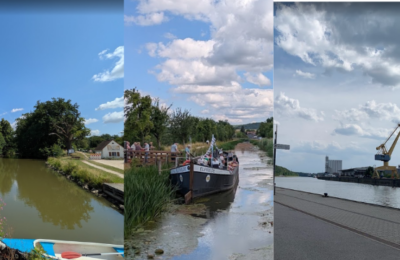
从河流、
湖泊、
运河、
桥梁到内河航运,
我关注水如何塑造聚落、
贸易、
技术与文明的发展。
这里讨论的不只是自然景观,
也是水系、
航运、
工程、
资源利用与人与水长期共生的故事。
Through rivers,
lakes,
canals,
bridges and inland navigation,
I explore how water has shaped settlements,
trade,
technology and the development of civilization.
This is not only a story of landscapes,
but also of waterways,
engineering,
navigation,
sustainable resource use,
and the long-term relationship between people and water.
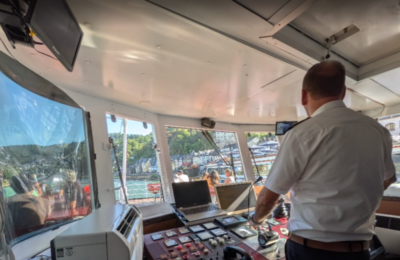
从摩泽尔河 MOSELPRINZ 驾驶室里船长的一句话出发,思考人与机器如何在长期工作、身体经验与记忆中彼此靠近。从船到汽车,再回到历史船写作,人与机器之间从来不只有“使用”这一种关系。
Beginning with a captain’s words aboard MOSELPRINZ on the Moselle, this article explores how humans and machines grow closer through work, bodily experience and memory. From ships to automobiles and historic vessels, the relationship between people and machines is more than simple use.
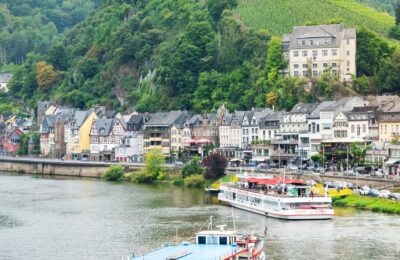
MOSELPRINZ,图片 © KD Deutsche Rheinschiffahrt。
从Cochem登上KD的MS Moselprinz,两次走过同一段摩泽尔河。从甲板上的城堡与葡萄园,到驾驶室里的航道与船长,记录一艘1980年建造的内河客船,以及一位拥有约25年经验的船长如何理解重复、航行与责任。
Two journeys on the same stretch of the Moselle from Cochem: first from the deck of MS Moselprinz, then from the wheelhouse. A story of KD, a working passenger ship built in 1980, and a captain with around 25 years of experience navigating the river.
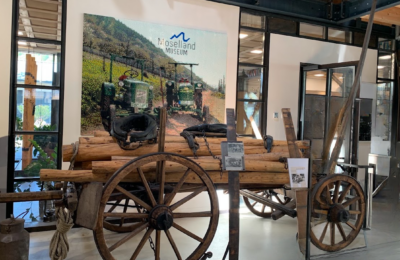
走进恩斯特·摩泽尔乡土博物馆,从柳条绑藤、陡坡运输与双篮压榨,到发酵、装瓶、村庄工坊与家庭生活,理解一杯摩泽尔酒如何由整座村庄共同完成。
Explore the Moselland Museum in Ernst and follow Moselle wine from vineyard work and cellar fermentation to bottling, village crafts and family life.
西德为货币体系失效准备了第二套纸币,并将约150亿马克的BBk II秘密储存在科赫姆地堡。本文走进两座伪装住宅下的金库,追踪替代货币的设计、保管、销毁与公开过程,观察一个国家如何为信用危机准备另一套交换秩序。
West Germany secretly stored around 15 billion Deutsche Mark in BBk II replacement banknotes beneath two houses in Cochem. This article traces their design, storage, destruction and transformation into public memory, revealing how a state prepared an alternative monetary order for a crisis of confidence.
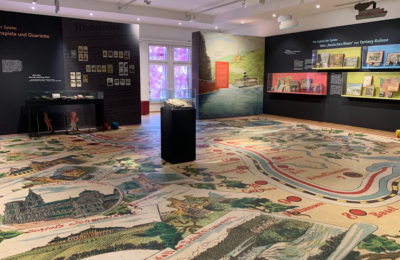
从莱茵河全景图、Leporello到百年桌游与Rheinspiel 2050,宾根莱茵河博物馆展示一条真实河流如何进入旅行、国家记忆与游戏,并被每个时代重新想象。
From Rhine panoramas and Leporellos to historic board games and Rheinspiel 2050, Museum am Strom reveals how generations transformed the Rhine into travel, memory and play.
一条运河,一千二百年的梦想。从查理大帝的 Karlsgraben、路德维希运河,到现代美因-多瑙运河,我走访德国四座城市,以田野调查串联欧洲三次跨流域运河工程,寻找连接莱茵河与多瑙河背后的文明故事。
Following Charlemagne's canal, Ludwig Canal and the modern Main–Danube Canal, this journey explores a 1,200-year dream of connecting Europe's waterways.
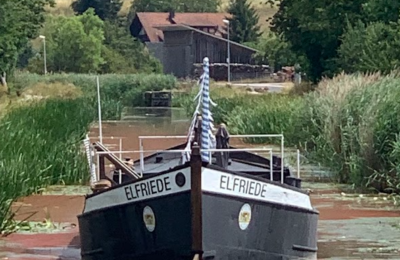
德国巴伐利亚 Burgthann 的 Elfriede,是一艘仍由马匹拖曳航行的近百年运河货船。透过船长、船员与纤马的第一手田野观察,记录开船前四十五分钟的准备工作、德国纤船文化,以及一项仍然活着的运河文化遗产。
Discover Elfriede, a nearly century-old horse-drawn canal boat still operating on Bavaria's historic Ludwig–Danube–Main Canal. Through first-hand fieldwork, this article documents the hidden preparations before departure, the traditions of German horse-drawn navigation, and the people who continue to preserve this remarkable living canal heritage.
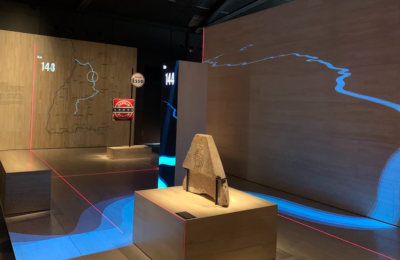
如果莱茵河塑造了德国,那么内卡河塑造了巴登-符腾堡。本文结合斯图加特巴符州历史之家博物馆与海尔布隆市立博物馆,沿着内卡河367公里的流向,走访河源、大学城、工业城市、葡萄酒产区、港口与现代航运,探索河流如何串联城市、交通、产业与文明,并从楚国鄂君启金节交通路线图,看见东西方共同的河流文明。
If the Rhine shaped Germany, the Neckar shaped Baden-Württemberg. This article explores the 367-kilometer Neckar River through the House of History Baden-Württemberg and Heilbronn City Museum, revealing how rivers connect cities, transport, industry and regional identity. From river source to inland navigation, it also draws an unexpected dialogue with the ancient transportation routes of the Chu State in China, showing how civilizations have always grown along rivers.
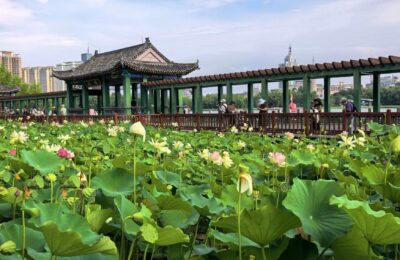
一组来自北京的莲花池照片,让我重新想起花莲童年的池塘,也重新理解北京这座城市。北京西站旁的莲花池已有三千多年历史,它不仅孕育了早期北京,更见证了城市、铁路与时代的变迁。本文从一池水出发,重新阅读北京,也重新思考水如何塑造文明、保存记忆,以及人与水之间跨越时空的连接。
A series of photographs from Beijing's 3,000-year-old Lotus Pond inspired a journey through memory, water, and urban history. Located beside Beijing West Railway Station, Lotus Pond reveals how ancient water shaped the city long before railways arrived. Through personal memories, historical research, and the perspective of water civilization, this article explores how rivers, lakes, ponds, and canals preserve the memory of both cities and civilizations.
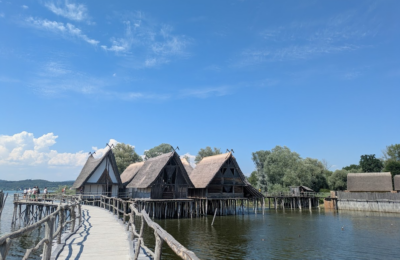
德国博登湖史前水边聚落博物馆保存着欧洲最重要的新石器时代与青铜时代水边聚落遗址。本文走进下乌尔丁根水边聚落博物馆,从聚落形成、房屋建造、捕鱼、农业、手工业、贸易网络到考古发现,探索水如何孕育文明,也如何保存文明的记忆,并透过楚文明与博登湖的对话,看见不同水域共同守护人类历史的痕迹。
Discover how water shaped one of Europe's earliest lakeside civilizations at the Pile Dwelling Museum on Lake Constance, Germany. From prehistoric pile houses, fishing, farming, and trade to archaeological discoveries and museum reconstruction, this article explores how water sustained human life, preserved ancient settlements beneath the lake, and became the keeper of civilization's memory across cultures.