封面图说明|
河北邯郸,
武灵丛台承载着赵国的历史记忆,
也引出楚怀王未能归国的悲剧。
图片说明|全文图片由安庆龙摄影,并感谢提供并授权作者使用。
引文|一座古台,一位回不了家的楚王
一个君王失去了归途,
一个国家继续前行,
而一段未曾消散的故国之思,
却穿越了两千三百多年的光阴。
历史从不缺少君王,
缺的是那个回不了家,
却仍被后人深深记得的,
楚国君王。
《史记·楚世家》记载:
怀王恐,乃从间道走赵以求归。
一组来自河北邯郸的照片,
让我重新走进战国的历史,
在赵武灵王留下的古台记忆中,
意外发现一位楚王的归国悲剧。
公元前313年前后,
楚怀王曾经经过赵国都城邯郸,
那时他仍是一国之君,
往来于诸侯之间的政治舞台。
十六年后,命运已经改变。
楚怀王从秦国的拘禁中逃出,
试图借道赵国返回楚地,
却被这个曾经到访的国家拒绝接纳。
他最终没有活着回到故乡,
楚国却早已迎来了新的君王,
而屈原对故国与怀王的眷恋,
让这段历史拥有了更漫长的生命。
政治的时间继续向前,
一个人的生命却停在异乡;
归途断了,
思念却没有断。
那些未能实现的归国愿望,
为什么仍能穿越两千多年的岁月?
一|邯郸丛台:战国诸侯的交会之地
七国争雄的战国时代,
邯郸不仅是赵国的都城,
也是诸侯往来的外交舞台,
楚国的身影曾出现在这里。
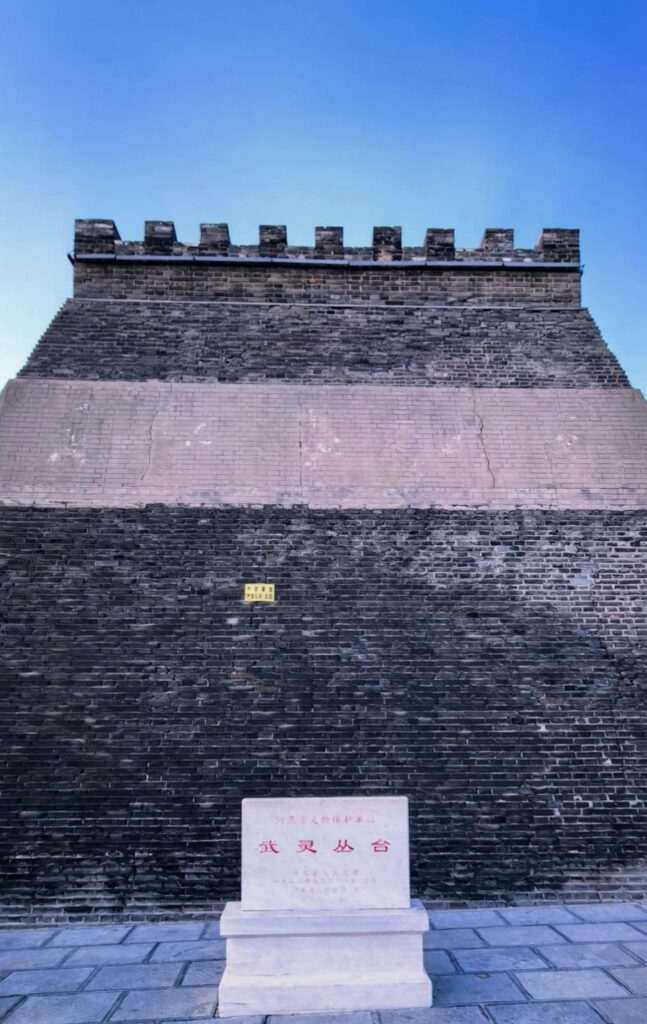
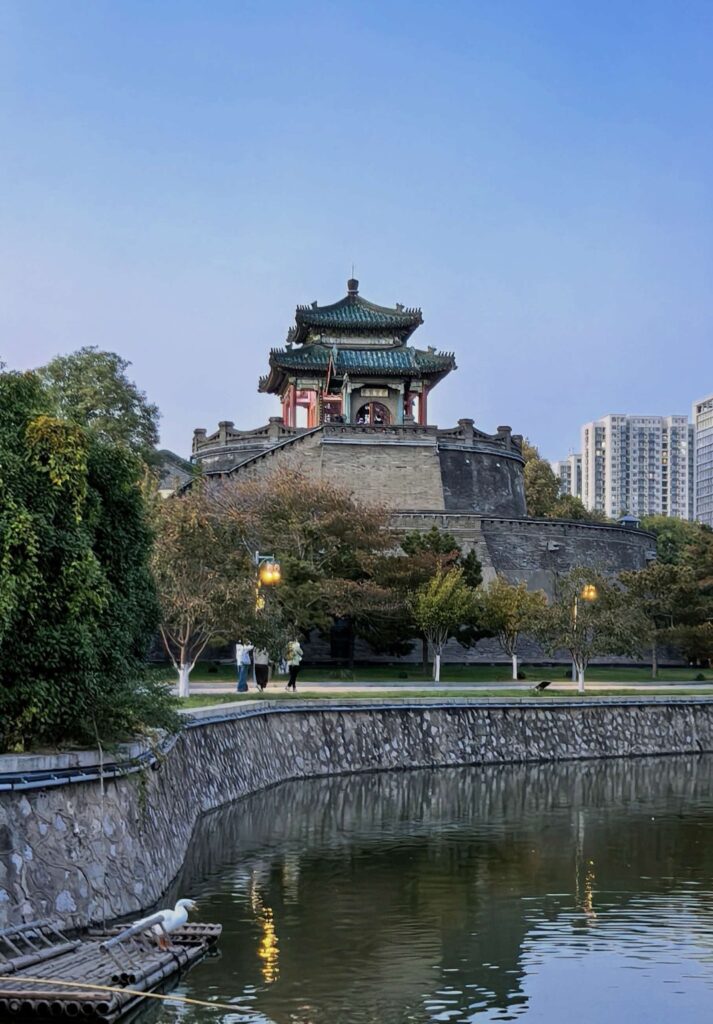
图: 武灵丛台,安庆龙摄影。
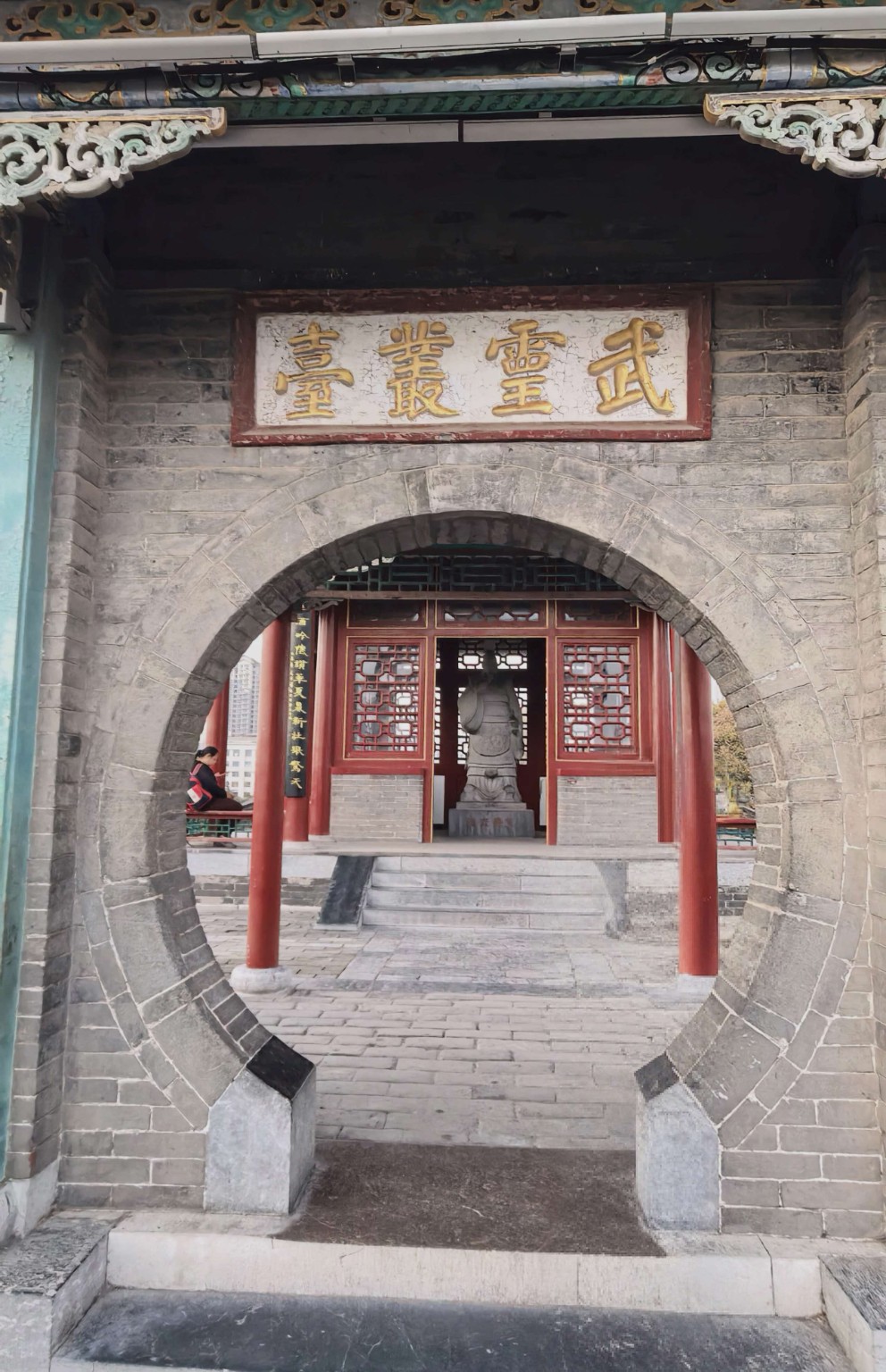
今天的武灵丛台,
坐落于河北邯郸城中,
相传与赵武灵王有关,
见证着赵国昔日的历史记忆。
今天所见的丛台建筑,
经历了后世多次修复重建,
虽然不是战国时期的原貌,
却延续着赵国的历史记忆。
赵武灵王在位期间,
推动著名的胡服骑射改革,
借鉴北方民族的服饰与骑射技术,
试图改变赵国传统的作战方式。
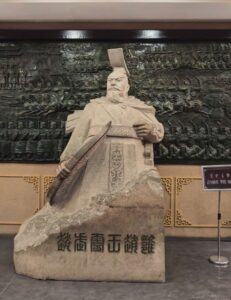
图:赵武灵王,安庆龙摄影。
《史记·赵世家》记载,
赵武灵王十三年发生一件事:
楚、魏王来,过邯郸。
公元前313年前后,
楚怀王与魏王经过邯郸,
史书没有详述此行的目的,
却留下了楚赵往来的一条线索。
《史记》只留下简短的记载,
楚王与魏王曾经经过邯郸,
十六年后,楚怀王再次走向赵国,
却已是一位寻求归途的逃亡者。
他们曾身处同一个时代,
却不知道各自的命运,
将走向截然不同的归途;
历史最残忍的地方,
是它从不提前通知。
二|楚怀王的归国之路:赵国为什么不敢收留他?
秦国封锁了归乡的道路,
赵国不敢接纳落难的君王,
楚国已经迎来了新的国君,
他却再也无法活着回到郢都。
公元前 299 年,
秦昭襄王邀请楚怀王会盟。
地点选在秦楚交界的武关,
一场外交会面改变了他的命运。
《史记·楚世家》记载,
楚国大臣昭雎劝阻怀王赴秦;
《屈原贾生列传》则记载,
屈原称秦国为虎狼之国,
认为不可轻信秦王的邀约。
怀王最终仍然决定赴约,
却在武关遭到秦军控制。
秦国将楚怀王带往咸阳,
要求割让巫郡与黔中郡。
怀王愤怒地拒绝了要求,
从此失去了返回楚国的自由。
楚国不能一直没有君王。
身在齐国的太子熊横获准归国,
继位成为楚顷襄王。
而他的父亲,仍被困在秦国。
一个国家的王座不能空着,
一个人的归途,
却可以一直空着。
公元前 297 年,
楚怀王终于设法逃离秦国。
秦人发现后封锁了归楚道路,
他只得转向赵国寻求归途。
《史记·楚世家》记载:
怀王恐,乃从间道走赵以求归。
此时赵武灵王已传位于儿子,
年轻的赵惠文王名义上行王事,
主父仍居代地,
赵国不敢接纳这位落难的楚王。
《史记·屈原贾生列传》也记载,
“亡走赵,赵不内”,
短短六个字,
写尽了楚王求归无门的处境。
《史记》没有详述他的顾虑,
但秦国持续扩张的军事压力,
足以让赵国面临艰难的选择,
收留楚王可能意味着得罪强秦。
楚怀王只得再转向魏国。
秦国追兵却已赶到,
他再次被带回秦国。
最后的归国希望就此破灭。
公元前 296 年,
楚怀王病逝于秦国。
秦国终于将他的灵柩送回楚地,
而他再也看不见故乡的山河。
《史记·楚世家》写道:
楚人皆怜之,如悲亲戚。
他回到楚国的方式,
是一具冰冷的灵柩;
楚人迎接他的方式,
是一场共同的悲伤。
一个曾经统治楚国的君王,
最终只能以灵柩返回故土,
他的生命停留在异国,
楚国的历史却仍然继续前行。
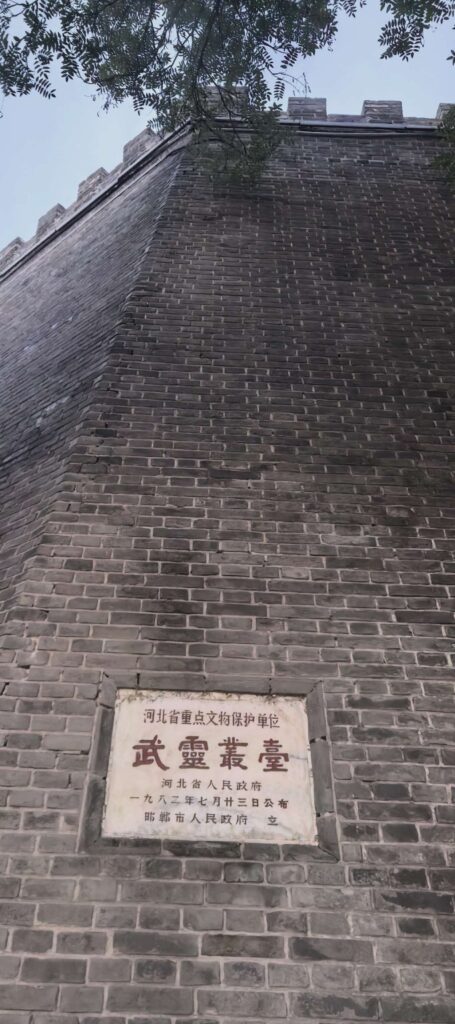
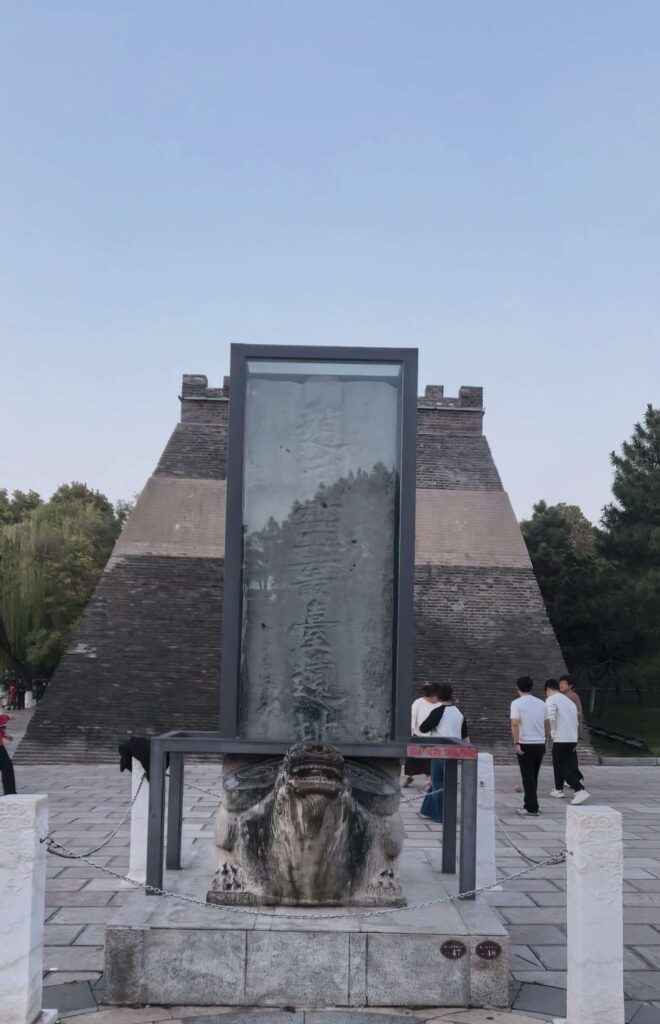
图:武灵丛台,安庆龙摄影
三|屈原的故国之思:当君王的时间停止,文明仍然前行
君王的生命停在异乡,
国家的时间仍向前流动,
而屈原未曾放下的故国之思,
穿越了两千三百多年的光阴。
《史记·屈原贾生列传》记载:
虽放流,眷顾楚国,系心怀王,不忘欲反。
即使已经远离政治中心,
屈原仍然眷恋着楚国,
盼望君王能够有所醒悟,
也期待国家改变衰败的局面。
楚怀王想回去的是楚国,
屈原想回去的,
是一个仍然能够挽救的楚国;
一个回不了家,
一个回不去那个时代。
司马迁笔下的屈原,
并非只为个人失意悲伤。
他忧虑君王的政治判断,
更牵挂着楚国未来的命运。
怀王未能改变自己的结局,
楚人却没有忘记他的苦难。
一位君王的政治过失,
并未抹去人们对他的悲悯。
从节奏文明观的角度观察,
这里存在三种不同的时间:
国家的时间:
政治必须继续运转,
新君继位,
国家仍然向前。
个人的时间:
怀王的生命停在异乡,
未能走完的归国之路,
再也无法重新开始。
记忆的时间:
楚人的悲悯与屈原的文字,
并未随着君王的死亡消失,
而是在漫长的岁月中,
继续留下文明的回声。
屈原的精神与楚辞的文字,
经由后世阅读不断获得新生。
国家的时间继续向前,
个人的生命却停在了过去,
而记忆的时间仍在回旋,
有些人的死亡不是终点,
而是另一种流传的起点。
两千三百多年后的邯郸,
夕阳照亮古台与现代楼宇,
昔日诸侯的政治舞台已消失,
楚怀王的故事却仍被人记起。
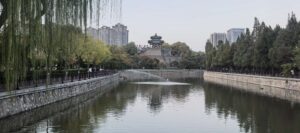
图:今日邯郸丛台公园,历史记忆在城市生活中延续,安庆龙摄影。
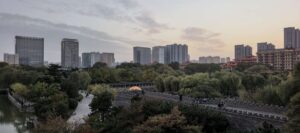

图:夕阳中的邯郸,古台与现代城市并存,安庆龙摄影。
尾声|历史没有归途,记忆却有回声
有些归途终究无法抵达,
有些遗憾也无法弥补,
但只要后人仍愿意倾听,
沉默的历史便有了回声。
一位远方友人的旅行,
带来了几张古城的照片,
原本只是寻常的风景分享,
却开启了一次意外的历史追寻。
我们无法改变历史的结局,
也无法替古人重新选择,
只能沿着史书留下的文字,
慢慢理解那些艰难的时代。
历史研究不只是寻找答案,
也要辨认文字背后的沉默,
哪些事情被郑重地记录,
哪些声音已经无从寻觅。
或许文明传承的意义,
不在于让过去重新发生,
而是让那些遥远的生命,
仍有机会被今天的人理解。
历史没有归途,
记忆却始终留有回声;
我们无法把楚怀王接回楚国,
却能让两千多年后的异乡后人,
重新想起他的命运。
有些人的家,
是终其一生也走不回去的;
但有些人的故事,
却能被后人沿着历史的足迹,
一步一步重新走回来。
楚人对话后记|考烈王、黄歇与令尹夫人的观后感
楚怀王的归乡之问
考烈王读完邯郸的故事,
久久望着武灵丛台的照片,
转头对黄歇说道:
“春申君,寡人又想起了祖父。”
黄歇轻轻点头:
“怀王当年受困于秦,
逃往赵国却无人敢收留,
最终只能以灵柩归楚。”
考烈王沉声说道:
“祖父确有政治上的过失,
却也不肯屈服于秦国,
寡人继承的是楚国王位,
也是祖辈未能完成的责任。”
黄歇望向一旁的我,
发现我眼中泛着泪光:
“夫人,这篇文章,
怎么把您也写哭了?”
我轻轻回答:
“我不只为楚怀王流泪,
也为始终眷恋楚国的屈原,
一个回不了自己的故乡,
一个放不下自己的故国。”
一个回不了家,
一个回不去那个时代;
而我,既回不了楚国,
也回不去自己的来处,
恰好站在他们中间。
考烈王沉默片刻:
“寡人知道祖父的结局,
也知道屈原忧国的故事,
可两千三百多年过去,
为何你还为他们难过?”
我望着两位楚人:
“大王,国家有政治的节奏,
人有无法逆转的生命时间,
可那些未曾实现的理想,
却不会随着死亡而消失。”
有些悲伤不属于某一个人,
它属于所有曾经想要回去,
却终究无法回到过去的人。
黄歇笑了:
“大王,您还不知道呢,
她为《楚辞》谱了曲,
如今又从邯郸追寻楚国往事!”
考烈王也笑起来:
“别人收到朋友的旅行照片,
看的是古城风景,
令尹夫人却追到了寡人的祖父,
连屈大夫也被请出来了!”
我忍不住笑着回答:
“大王,我研究铁路与船舶,
也研究历史与文明的节奏,
只是没想到一张邯郸照片,
竟让我再次为楚人落泪。”
两千三百年前,
楚怀王未能活着归国,
屈原未能挽回故国的命运,
他们的悲伤留在了历史里。
两千三百多年后,
古老的文字重新有了声音,
失落的故事再次被人读起,
文明的记忆仍在继续前行。
考烈王望着黄歇:
“春申君,寡人终于明白,
江山或许不能永远守住,
但楚人的故事,
竟还能被后人如此珍惜。”
黄歇微笑着看向我:
“夫人,下次收到照片,
可别又把自己写哭了!”
有些眼泪是替古人流的,
有些归途是替自己走的。
两千三百年前,
楚怀王没能活着回到故乡;
两千三百多年后的今天,
一个后人替他走完了心中的归途。
晚风从邯郸吹过,
古老的丛台依然伫立,
夕阳照耀着今日的城郭,
那些曾经回不了家的人,
终于被后人重新记起。
Appendix|English Narrative Overview
Why Could King Huai of Chu Never Return Home? From Handan’s Congtai Terrace to Qu Yuan’s Longing for His Homeland
A King Who Could Never Return Home
More than 2,300 years ago, a king of Chu escaped captivity in Qin and desperately sought a way back to his homeland. Yet the roads were closed, another kingdom refused to receive him, and his journey ended far from home. His country continued without him, but his story did not disappear.
This journey into history began with photographs sent by my friend An Qinglong during his travels through Handan, in today’s Hebei Province. Among them were images of Wuling Congtai, a historic terrace traditionally associated with King Wuling of Zhao. What appeared to be ordinary travel photographs gradually opened a chapter of Warring States history involving King Huai of Chu and the poet Qu Yuan.
According to the Records of the Grand Historian (Shiji), King Huai passed through Handan in 313 BCE. Sixteen years later, after escaping captivity in Qin, he sought a way home through Zhao, only to be refused entry. Political time continued to move forward, while one man’s life came to an end in a foreign land. His road home was broken, but the longing for home survived.
Handan and Congtai: Where the Kingdoms of the Warring States Met
During the Warring States period, Handan was the capital of Zhao and an important centre of diplomatic activity. Kings and envoys moved between rival states, seeking alliances and responding to the growing power of Qin. King Wuling of Zhao introduced the military reforms known as Hufu Qishe, adopting northern-style clothing and mounted archery to strengthen his kingdom. Wuling Congtai, preserved in the cultural landscape of modern Handan, recalls this period, although its surviving structures belong to later rebuilding.
The Shiji, in its chapter on the House of Zhao, records that the kings of Chu and Wei passed through Handan in 313 BCE, the thirteenth year of King Wuling’s reign. King Huai of Chu was then still a reigning monarch, moving within the diplomatic world of competing kingdoms. The historical record does not explain the purpose of his visit, nor does it establish that he ever stood on Congtai Terrace. Yet it preserves a connection between Chu and Zhao that would acquire a very different meaning sixteen years later.
The Road Home: Why Did Zhao Refuse to Receive King Huai?
In 299 BCE, King Zhaoxiang of Qin invited King Huai to a meeting at Wuguan Pass. The Shiji preserves two accounts of warnings before the meeting: the House of Chu records the advice of Zhao Ju (昭雎), a minister of Chu, while the Biography of Qu Yuan attributes a warning to Qu Yuan, the poet-statesman. Qu Yuan described Qin as a land of tigers and wolves. King Huai nevertheless accepted the invitation, was detained and taken to Xianyang, where Qin demanded territorial concessions. He refused, and his captivity continued.
Meanwhile, Chu could not leave its throne vacant. Crown Prince Xiong Heng returned from Qi and succeeded his father as King Qingxiang. The kingdom had a new ruler, while its former king remained a prisoner. A kingdom’s throne could not remain empty, but a man’s road home could remain unfinished.
In 297 BCE, King Huai managed to escape. Qin blocked the roads leading back to Chu, forcing him to seek another route through Zhao. By then, King Wuling of Zhao had transferred the throne to his son, King Huiwen, and taken the title of Zhufu, or Lord Father. While King Wuling was in Dai, his son, King Huiwen of Zhao, was responsible for royal affairs. According to the Shiji, King Huiwen was afraid and did not dare receive the fugitive King Huai of Chu. Although the historical record does not explicitly explain the source of his fear, the possibility of provoking Qin may have influenced his decision and presented Zhao with a serious diplomatic dilemma.
King Huai attempted to continue towards Wei, but Qin forces caught him and returned him to captivity. In 296 BCE, he died in Qin, and only then was his coffin sent back to Chu. The Shiji records that the people of Chu mourned him as if they had lost a member of their own family. He had made serious political mistakes, yet those mistakes did not erase the suffering of a man who could never return home alive.
Qu Yuan’s Longing for Chu: When a King’s Time Ends but Civilization Continues
King Huai’s tragedy was closely connected with Qu Yuan, one of ancient China’s most important literary figures. The Shiji describes Qu Yuan as remaining deeply attached to Chu and concerned for King Huai even after losing his position at court. His loyalty was not simply personal devotion to a ruler, but also a concern for the political direction and future of his homeland.
King Huai wanted to return to the territory of Chu. Qu Yuan longed for a Chu that could still be rescued from political decline. One could no longer return home; the other could no longer return to the political world he had hoped to preserve.
Seen through my concept of Rhythm Civilization, this history reveals three dimensions of time. Political time continued because the kingdom needed a government and a successor. Personal time was irreversible: King Huai’s captivity, escape and death could not be undone. The time of cultural memory, however, followed another rhythm. The grief of the people of Chu, the historical accounts preserved by Sima Qian and the literary tradition associated with Qu Yuan continued long after the political world that produced them had disappeared.
More than 2,300 years later, the evening sun still falls across Congtai Terrace and the modern buildings of Handan. The political stage of the Warring States has vanished, but its stories continue to be rediscovered. A person’s death may mark the end of a life without marking the end of its historical presence.
History Has No Road Back, but Memory Has an Echo
The photographs from Handan were generously shared by my friend An Qinglong, who also gave me permission to use them in my writing. What began as an ordinary exchange of travel images became an unexpected journey through ancient history. We cannot change decisions made more than two thousand years ago or reopen the roads that were closed to King Huai. Historical research cannot undo tragedy, but it can help us understand the circumstances in which tragedy occurred.
Research also asks us to listen to what remains unspoken. Some events were carefully recorded, while countless individual voices vanished with their time. Perhaps the transmission of civilization is not about bringing the past back to life, but about allowing lives separated from us by centuries to be understood once again.
Some people can never return to the places they called home. Yet their stories can still be rediscovered by those who follow the traces they left behind. History has no road back, but memory can still find an echo.
Across Civilizations
King Kaolie, Huang Xie and Lady Lingyin: A Question of Homecoming
After reading the story of Handan, King Kaolie of Chu stood quietly before the photographs of Wuling Congtai. “Lord Chunshen,” he said to Huang Xie, “these images have reminded me of my grandfather.”
Huang Xie nodded. “King Huai was held captive in Qin. He escaped and sought refuge in Zhao, but Zhao did not dare receive him. In the end, only his coffin returned to Chu.”
The king remained silent for a moment. “My grandfather made mistakes in politics, yet he refused to surrender to Qin’s demands. I inherited not only the throne of Chu, but also the unfinished responsibilities of those who ruled before me.”
Huang Xie turned towards me and noticed the tears in my eyes. “Lady Lingyin,” he asked gently, “has this article made you cry?”
I nodded. “I weep not only for King Huai, but also for Qu Yuan, who never stopped longing for Chu. One could not return to his homeland. The other could not return to the world he had hoped to save.” And I, who could neither return to ancient Chu nor recover the world of my own beginnings, seemed to stand somewhere between them.
King Kaolie looked at me thoughtfully. “I know what happened to my grandfather, and I know Qu Yuan’s sorrow for our kingdom. But why should their suffering still move you after more than two thousand years?”
“Your Majesty,” I replied, “a country has its own political rhythm, and every human life has a time that cannot be reversed. Yet the ideals people leave unfinished do not necessarily disappear when they die.” Some sorrows belong not to one person alone, but to everyone who has ever longed to return to something that can no longer be recovered.
Huang Xie suddenly smiled. “Your Majesty, Lady Lingyin has composed music for the Chu Ci, the Songs of Chu. And now, a few photographs from Handan have led her back to your grandfather’s story!”
King Kaolie burst into laughter. “Other people receive travel photographs and admire the scenery. Lady Lingyin receives them and starts investigating my ancestors! She has even brought Qu Yuan into the conversation!”
I laughed too. “Your Majesty, I study railways and ships, but also history and the rhythms of civilization. I simply never expected that photographs of an ancient terrace would make me cry for the people of Chu once again.”
More than 2,300 years ago, King Huai could not return home alive, and Qu Yuan could not save the kingdom he loved. More than 2,300 years later, their words and stories continue to travel through history, finding new voices and new listeners.
King Kaolie looked towards Huang Xie. “Lord Chunshen, perhaps a kingdom cannot be preserved forever. But how extraordinary that the stories of our people can still be cherished after so many centuries.”
Huang Xie smiled at me. “Lady Lingyin, the next time someone sends you travel photographs, do try not to make yourself cry again!”
Some tears are shed for people who lived long before us. Some journeys home are undertaken for ourselves. The evening light settled over Handan, and Congtai Terrace remained standing amid the modern city. Those who could never return home were remembered once more.
Historical note: The conversations in “Across Civilizations” are fictional literary encounters inspired by historical figures. The historical narrative draws upon the Shiji (Records of the Grand Historian), particularly the chapters on the Houses of Chu and Zhao and the Biography of Qu Yuan and Jia Yi.
🤖 人工智能协作声明
本文的主题选择、田野调查、资料搜集、核心观点与中文原始内容,均由作者独立完成。创作过程中,作者与人工智能模型,进行持续协作,包括多轮讨论、思路推演、节奏输出、部分翻译、英文 Narrative Overview 生成、语言检查、结构检测与文字润饰。
人工智能在此过程中,作为创作协作者,参与内容发展与语言表达,但不作为法律意义上的作者或著作权主体。所有 AI 协作产生的内容,均由作者依据田野资料、原始文献与中文母稿,进行选择、审校、修改与艺术化重构。文章的叙事方向、内容取舍、创作决策、最终表达与价值判断,均由作者决定并负责。
📜 本站所有原创作品均已完成区块链存证,确保原创凭证。部分重点作品另行提交国家版权登记,作为正式法律备案。原创声明与权利主张已公开。完整说明见:
👉 原创声明 & 节奏文明版权说明 | Originality & Rhythm Civilization Copyright Statement – NING HUANG
节奏文明存证记录
本篇博客文为原创作品,由黄甯与 AI 协作生成,于博客网页首发后上传至 ArDrive 区块链分布式存储平台进行版权存证:
- 博客首发时间:2026年11月04日
- 存证链接:fb4c49fd-7511-49c4-b960-2041b33d7f3f
- 存证平台:ArDrive(arweave.net)(已于 2026年11月04日上传)
- 原创声明编号:Rhythm_Archive_04_Nov_2026/why-king-huai-of-chu-never-returned-home
- 用途声明:本文为《节奏文明观》之篇章,亦参与构建《AI×非遗文明共构档案》与《文明节奏回声计划》,用于文明节奏实地记录、区块链存证、跨域协作与版权登记用途。
© 黄甯 Ning Huang, 2026. All Rights Reserved.
本作品受版权法保护,未经作者书面许可,禁止复制、改编、转载或商用,侵权必究。
📍若未来作品用于出版、课程、NFT或国际展览等用途,本声明与区块链记录将作为原创凭证,拥有法律效力。