从河流、
湖泊、
运河、
桥梁到内河航运,
我关注水如何塑造聚落、
贸易、
技术与文明的发展。
这里讨论的不只是自然景观,
也是水系、
航运、
工程、
资源利用与人与水长期共生的故事。
Through rivers,
lakes,
canals,
bridges and inland navigation,
I explore how water has shaped settlements,
trade,
technology and the development of civilization.
This is not only a story of landscapes,
but also of waterways,
engineering,
navigation,
sustainable resource use,
and the long-term relationship between people and water.
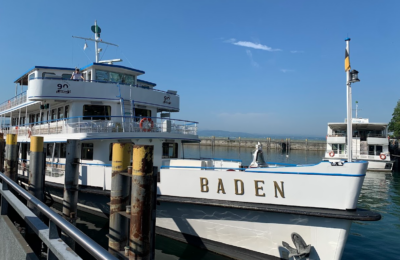
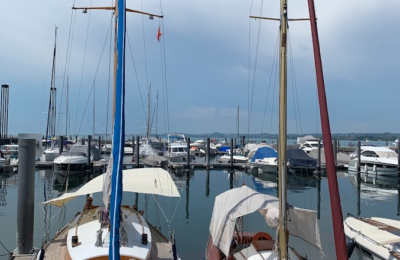
博登湖为什么会出现蒸汽船、柴油船、高速双体船、铁路渡轮、帆船与观光船?本文结合瑞士博登湖博物馆(Seemuseum Kreuzlingen)的展览,以及作者亲身搭乘 Katamaran(2005)、Baden(1934)与 München(1962)的田野经验,梳理博登湖两百年来航运发展的演变,记录铁路、工业、旅游与环境保护如何改变这座跨越德国、瑞士与奥地利的湖泊,以及博登湖如何从重要交通水域逐渐成为今日的休闲湖。
Why do steamships, diesel passenger boats, railway ferries, sailing yachts and modern catamarans all exist on the same lake? Combining the exhibition at Seemuseum Kreuzlingen with first-hand journeys aboard Katamaran (2005), Baden (1934) and München (1962), this article traces two centuries of navigation on Lake Constance. It follows how railways, industrialisation, tourism and environmental protection reshaped the lake's transport system, and how Lake Constance gradually evolved from an important transport corridor into the recreational lake we know today.
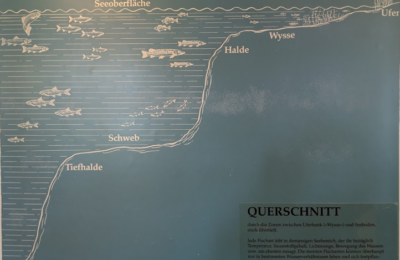
博登湖如何养活德国、瑞士与奥地利三国的人们?本文走进瑞士克罗伊茨林根博登湖博物馆,从湖泊生态、鱼类习性与传统捕鱼技术出发,介绍固定网、围网、鱼笼、拖网、延绳等多种捕鱼方式,探讨渔民如何透过长期观察湖泊、季节与鱼群,发展出不同的捕鱼智慧,并看见真正流传下来的,其实是人与湖共同生活数千年的生态知识。
How did Lake Constance sustain people across Germany, Switzerland and Austria for centuries? Visiting the Lake Constance Museum in Kreuzlingen, this article explores traditional fishing methods, ecological knowledge and the relationship between fish, water and people. From stationary fish traps and seine nets to fish baskets, drift nets and longlines, it reveals how generations of fishermen learned to read the lake before they learned to catch fish, preserving a unique body of ecological wisdom that has endured for thousands of years.
1864年,蒸汽船Jura在博登湖浓雾中与另一艘船相撞后沉没。这篇文章透过瑞士克罗伊茨林根博登湖博物馆(Seemuseum Kreuzlingen)的展览,从十九世纪湖上交通、Jura最后一天、沉船文物保存,到导航灯、暴风预警与航行制度的发展,重新认识一场沉船事故如何改变博登湖的航行安全,也看见文物保存的不只是物件,更是一个时代的生活方式。
In 1864, the paddle steamer JURA sank in Lake Constance after a collision in dense fog. Through the exhibition at Seemuseum Kreuzlingen in Switzerland, this article explores nineteenth-century lake transportation, the ship's final voyage, underwater archaeological discoveries, and how navigation lights, storm warning systems and shared regulations transformed navigation on Lake Constance. More than a shipwreck, JURA became part of the history of safer navigation and everyday life on the lake.
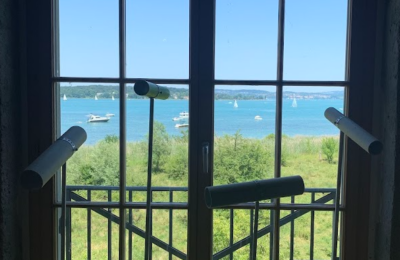
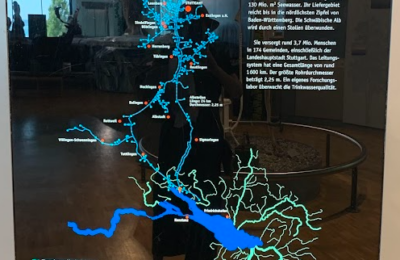
从博登湖自然博物馆出发,走进博登湖形成、冰河地貌、莱茵河改道、湖泊生态循环、气候调节、饮用水系统与德瑞奥三国共同治理的故事,理解一座湖如何孕育生命、维持生态,并成为三百七十万人共同依赖的生命之源。
Discover how Lake Constance became one of Central Europe's most important freshwater ecosystems through the Bodensee Nature Museum in Konstanz. From glaciers, river capture and seasonal circulation to climate regulation, drinking water supply and international conservation, this article explores how a living lake continues to sustain nature and millions of people.
《Sowitasgoht(能走多远,就走多远):博登湖上的大西洋梦》走进奥地利布雷根茨福拉尔贝格州立博物馆,讲述奥地利造船师 Franz Plunder 从博登湖少年到横渡大西洋的传奇人生。文章透过梦想、造船、设计图、Sowitasgoht V 帆船、汉堡启航、信风航线与纽约航程,探索梦想如何从湖边诞生,并在双手与坚持中驶向远方。
Discover the inspiring story of Austrian boatbuilder Franz Plunder at the Vorarlberg Museum in Bregenz. From his childhood on Lake Constance to building the sailing yacht Sowitasgoht V and crossing the Atlantic to New York in 1923, this article explores dreams, craftsmanship, self-taught boatbuilding, Hamburg, the trade winds, and one of the most remarkable sailing adventures in Lake Constance history.
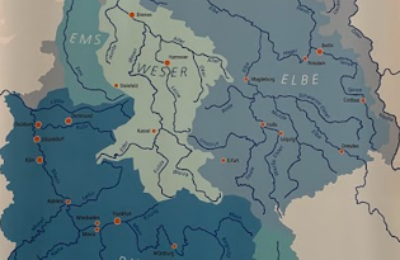
德国为什么拥有欧洲最发达的内河航运网络?本文走进杜伊斯堡德国内河航运博物馆,从河流、运河、船闸、船舶、水上人家到欧洲最大的内河港,认识德国如何把一条条河流连接成覆盖全国的水路网络,并透过内河航运推动工业、港口、城市与欧洲物流的发展。
Why does Germany have one of Europe's most advanced inland waterway networks? This article visits the German Inland Waterways Museum in Duisburg to explore how rivers, canals, locks, inland vessels, and life aboard ships formed an integrated transport system. It also explains how Duisburg, Europe's largest inland port, connects Germany's waterways, industry, logistics, and the wider European network.
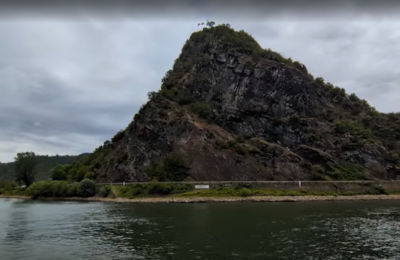
从科布伦茨莱茵博物馆、St. Goar、罗蕾莱到莱茵河航程,本次田野重新认识欧洲最重要的河流之一。莱茵河不仅创造了鱼类、渔业、城堡、神话与航运,也通过测量、疏浚、引航与管理,被持续维持为一条流动的道路。从独木舟到集装箱船,这条河所连接的,不只是货物,更是欧洲数千年来不断延续的流动能力。
From the Rhine Museum in Koblenz to St. Goar, Loreley, and a river journey to Rüdesheim, this field study explores how the Rhine became one of Europe’s most important rivers. The Rhine created fisheries, trade, castles, myths, and navigation, while generations of people maintained its flow through surveying, dredging, piloting, and waterway management. From dugout canoes to container ships, the Rhine connects not only goods, but also a long tradition of movement that continues to shape Europe today.
乌尔姆位于多瑙河上游,而《河流故事》常设展讨论的并不只是河流本身。从河神与水中少女的传说开始,到乌尔姆的河运贸易、渔民与船磨坊的日常生活,再到铁门峡谷工程、水坝建设与国际多瑙河节,这座博物馆呈现了一条大河如何进入人的想像、成为水路、塑造生活,并最终连接不同民族、语言与城市的过程。多瑙河流经十个国家,也见证了无数人的迁徙、相遇与共同生活。
Located on the upper Danube, the Danube Swabian Museum in Ulm explores far more than the river itself. Beginning with legends of river gods and water maidens, the exhibition traces how the Danube became a transport route, supported everyday life, shaped trade networks, and was later transformed through large-scale engineering projects. From fishermen and floating mills to dams, migration, and international cultural festivals, the exhibition reveals how a single river has connected cities, languages, peoples, and stories across ten countries for centuries.
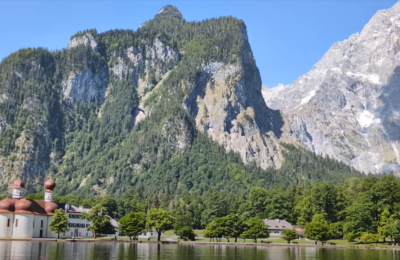
从德国贝希特斯加登国家公园的国王湖,到上湖 Obersee 与《Wasser versetzt Berge》(水移动山体)展馆,这篇文章记录的,并不只是一次阿尔卑斯山里的船行,而是一场关于“水如何在山里继续流动”的观察。地下水、湿地、裂缝、泉水、雪与水循环,让我逐渐意识到:德国如今真正保护的,不只是风景,而是让水继续流动的条件。而这一切,也不断让我想起长期生活在水陆之间的楚文明——真正成熟的文明,也许从来不是征服水,而是知道怎样与水长期共处。
From Königssee in Berchtesgaden National Park to Obersee and the exhibition Wasser versetzt Berge (“Water Moves Mountains”), this essay is not simply about a journey through the Alps, but about discovering how water continues to move inside mountains. Groundwater, wetlands, cracks, springs, snow, and hidden water cycles gradually revealed that what Germany truly protects here is not only scenery, but the conditions that allow water to keep flowing. Throughout the journey, I was repeatedly reminded of ancient Chu civilization in China, where people also lived between water and land. Perhaps truly mature civilizations are not built on conquering water, but on learning how to live with its flow.