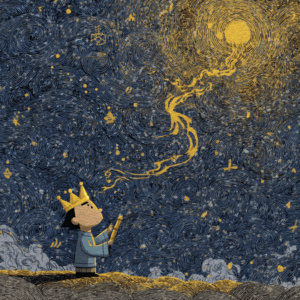
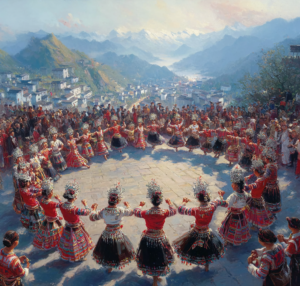
封面图说明|
蓝色的云梦泽水波浩渺,
芦苇摇曳,
远山隐入烟波,
楚人的故事尚未说完,
秦人的足迹已悄然到来。
图片:AI辅助创作,依据楚文化艺术元素与作者的历史叙事构思。
引文|我来找云梦泽,结果遇见了秦国
我原本想寻找一片消失的湖,
没想到秦人先一步占据了镜头。
最初打开《寻古中国·云梦记》,
我想寻找的是那片古老的云梦泽。
唐代诗人孟浩然曾写下:
「气蒸云梦泽,波撼岳阳城。」
那片曾经烟波浩渺的水域,
究竟拥有怎样的地理面貌?
其实第一集《云梦迷踪》,
确实先讲了云梦泽。
地理学者顾延生,
还在镜头里讲沉积物与古湖群。
只是从第二集开始,
这片湖便被轻轻放下了。
然而纪录片继续展开时,
楚人的故事还没有讲完,
睡虎地秦简便登上了舞台。
秦国的法律与官吏陆续登场。
直到第五集《楚韵回响》,
楚人的凤鸟与楚式漆木雕,
才再度成为主角。
这当然是一部有价值的考古纪录片。
只是我始终惦记着另一个问题:
那片古老的云梦泽,究竟去了哪里?
一|说好的云梦泽呢?
云梦泽并不是突然消失的。
它在四千年的河流与泥沙之间,
一点一点改变了自己的模样。
1. 云梦与云梦泽:名字相似,却不是同一片水
在中国古代的历史地理中,
有些地名比王朝活得更长。
先秦文献中的「云梦」,
原本指楚国广阔的游猎区域。
其中有山林、原野与湖沼,
并非全部都是水面。
而真正的「云梦泽」,
主要指江汉平原上的湖沼景观。
长江与汉水之间的低洼地带,
曾经分布着广阔的湖群。
后世常把云梦游猎区的范围,
误认为一片连续的大湖,
于是产生跨越长江的巨湖想象。
纪录片第一集的专家,
把云梦描述为水天一色、浑然一体的巨大水域。
而2025年的钻孔研究,
更强调河流、湖泊与三角洲交错的湖群景观。
两种说法的差别,
正是这一节想要说清楚的地方。
名字活了下来,
水却早已退去;
我们常常记住一个地名,
却记不住它曾经的模样。
2. 四千年前:江汉平原如何长出一片湖群?
把时间推回约四千年前。
长江与汉水不断改变河道,
低洼地带则承接着漫溢的洪水。
地壳缓慢沉降形成低地,
为湖泊提供了蓄水空间。
季风降雨带来丰沛的水量,
河流泛滥使洼地逐渐积水。
在夏商时期的湿润环境下,
大大小小的湖泊逐渐扩展,
形成古云梦泽的鼎盛景观。
但这里并非一座完整的大湖,
而是河流与湖泊彼此交错。
还有漫滩、湿地与三角洲,
组成不断变化的水域系统。
3. 周秦汉时期:湖水还在,泥沙已经来了
进入周秦汉的漫长岁月,
古云梦泽开始经历淤浅。
长江洪水漫过江汉平原,
通过古河道输送大量泥沙。
荆江三角洲不断向东推进,
逐渐挤压原有的湖泊空间。
这恰好是楚国兴盛的时代,
也是秦国逐渐进入楚地之时。
楚人与秦人的政治故事之外,
脚下的湖泊也正在悄悄改变。
泥沙没有留下秦简,
河道也不会记录战争胜负;
它们把自己的历史写进地层,
等待两千多年后有人读懂。
4. 魏晋至唐宋:云梦泽如何逐渐退场?
到了魏晋南北朝时期,
古云梦泽进入明显萎缩阶段。
河流持续搬运泥沙进入平原,
湖泊之间的联系逐渐减弱。
进入唐宋时期以后,
荆江河道逐渐趋于集中。
人工堤防与围垦不断增加,
进一步改变江湖之间的联系。
所谓云梦泽的「湮灭」,
并不意味着湖水全部消失。
而是原有的大型湖群体系,
不再保持昔日的整体形态。
湖没有死,
它只是散了;
散成了洪湖、长湖,
散成了江汉平原上,
一块块无法命名的湿地。

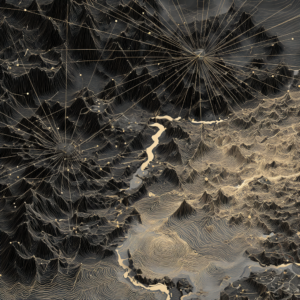
图|四千年的云梦泽:从湖群鼎盛到逐渐湮灭
四幅地图呈现古云梦泽从夏商至唐宋时期的演变,湖泊在河流改道、泥沙淤积与人类活动中逐渐缩小,曾经广阔的湖群最终演变为江汉平原的河湖湿地景观。图片来源: 顾延生、管硕、李越南(2025)
5. 湖泊去了哪里?今天的江汉平原仍有答案
今天走进湖北江汉平原,
仍然能够看见湖泊与湿地。
洪湖、长湖等现代湖泊,
仍是江汉湖群的重要成员。
但不能把其中任何一座湖,
直接当作古云梦泽的原貌。
寻找消失的云梦泽,
不能只在地图上寻找湖名。
还需要观察河流与沉积地层,
以及不同年代的湖群分布。
云梦泽并非没有留下故事。
只是它的故事不全写在竹简上,
还有一部分沉睡在泥沙深处。
二|楚人还没说完,秦人就来了


图|《寻古中国·云梦记》五集纪录片画面(央视,2023年)
1. 第一集《云梦迷踪》:云梦泽其实先出场了
第一集一开始,
镜头确实落在云梦泽上。
顾延生团队取回钻孔沉积物,
用粒度与植硅体,
复原古云梦泽如何淤浅成陆。
接着,
纪录片转向楚人南迁、纪南城与铜绿山,
讲楚国如何在江汉平原崛起。
最后一笔落在安陆与秦军,
云梦由此成为秦楚交锋的前沿。
也就是说,
云梦泽不是没有出场,
而是出场之后,
再也没有被请回来。
第一集把湖请上了台,
第二集起,
镜头便跟着秦人走了。
2. 第二集《惊世简牍》:秦人从地下带来了竹简
到了第二集《惊世简牍》,
云梦泽几乎退出了镜头。
取而代之的是睡虎地秦墓,
以及震惊学界的秦代竹简。
墓主的名字叫作喜,
他的经历与秦国扩张相连。
一个普通官吏留下的文字,
也能成为理解时代的证据。
但纪录片的提问已经改变。
它不再追问湖泊如何消失,
而是借助云梦出土的秦简,
重新讲述秦国统一的历史。
同样一个带着「云梦」的名字,
镜头里却已经是另一个人间;
地名还在,
故事却换了主角。
3. 第三集:秦国的法律,也管到了楚国的田里
第三集《探秘秦简》,
镜头已经完全离开湖水,
进入秦国的法律与行政制度。
《秦律十八种》《法律答问》,
涉及农业生产与土地管理。
这些制度随着秦国扩张,
逐渐进入原属楚国的江汉平原。
法律来到楚地,
不只是换了一套规矩。
它还意味着丈量土地、登记户口、
管理水渠与农田。
秦人带来的不只是刀剑,
还有尺子与账本;
征服一片土地,
最后要落在田亩与户籍上。
秦律甚至管到山林与水草:
春天二月到七月,
不得捕捉幼鸟、猎杀幼兽,
夏天之前,
不得采草烧作肥料。
这说明秦人早已把自然节律,
写进了法律。
只是纪录片把它当作立法的例子,
没有把它放回江汉的水土里再看一遍。
纪录片其实也讲到楚地的摩擦:
南郡守腾的文书,
说明楚地旧俗与秦法并不容易合拍;
秦楚月名对照表,
也是为了让两种历法并存。
但它讲的是文化与制度的调适,
没有继续追问:
这套法律进入水网密布的楚地时,
是否也要适应这里的河湖与水土?
4. 第四集《郑家湖墓》:秦楚终于住在一起了
第四集来到郑家湖墓地,
这次不只有竹简和法律,
还有牙齿、骨骼与随葬器物。
研究人员通过同位素检测,
分析牙齿保存的饮食信息,
尝试重建墓主成长的环境。
墓葬中的器物与生活遗存,
反映不同人群的生活习惯。
但纪录片随后强调的主题,
是秦楚人群的交流与融合。
并进一步联系国家统一。
这里有一个值得追问的问题:
战争可能带来被迫的迁徙,
征服也可能造成身份的改变。
纪录片并没有回避迁徙的强制性:
有罪官吏迁往新地,可获部分赦免,
军队驻防之后,
又有数次大规模移民。
不过它最终落在“融合”二字上。
这里仍有值得追问的地方:
被迁来的人,
是否都有选择?
被征服的人,
又留下了多少自己的声音?
同时也要看到,
融合并不只是单向的。
秦人的饮食与葬俗,
也在楚地慢慢改变。
融合,
很少是同时出发的相遇,
一方带着制度走来,
另一方带着水土等候;
日子久了,
两边都变了。
5. 第五集《楚韵回响》:楚人终于把话筒拿回来了
直到第五集《楚韵回响》,
纪录片才重新转向楚文化。
凤鸟、鹿角与神奇的动物,
展现楚人独特的艺术语言。
纪录片也给了答案:
云梦泽的云雾、山水与物产,
孕育了楚人的想象力,
也塑造了他们的精神世界。
这一部分终于令人期待。
但纪录片并未停留于此,
最终联系到现代航天事业。
从楚人的凤鸟与祝融,
讲到今天探索宇宙的梦想。
只是这个答案只占了一小段,
片末虽然回到云梦泽,
也只是一笔带过,
没有再讲它如何变成今天的平原。
楚人的凤鸟飞上了天,
云梦泽的水却还留在原地,
等一个愿意俯身倾听的人。
6. 五集之后:谁决定了云梦泽的故事?
回头看完整部《云梦记》,
五集其实形成清楚的路线。
从云梦泽与楚国的历史出发,
经过秦简与秦代制度,
接着讲述秦楚人群的迁徙融合,
最后回到楚文化的延续。
这样的安排并非没有逻辑。
但值得思考的是叙事选择:
同一批珍贵的考古材料,
可以回答不同的历史问题。
从秦简出发可以研究制度,
从墓葬出发可以研究迁徙,
从水环境出发则能研究文明。
纪录片选择将这些发现,
主要连接到国家统一与融合。
这是一种明确的历史叙事,
却不是唯一可能的解释。
一片土地的文明历史,
不只有谁征服了谁的故事;
还有谁在这里生活过,
又是怎样生活。
三|云梦泽不见了,楚人的故事还在
秦国可以改变江汉平原的版图,
却无法让楚人的记忆一夜消失,
湖水退去,王朝更替,
那些生活过的人,仍在泥土深处留下回声。
1. 郑家湖墓:同一片土地,两种文化的相遇
郑家湖墓地出土的牙齿,
保存着墓主成长时的线索。
十二位墓主中,
据同位素推断,
七人出生于北方,
五人出生于南方;
九人有远距离迁徙的经历。
M257号墓尤其引人注意。
墓中既有秦式器物,
也有楚式器物。
据同位素推断,
这位男子出生于北方,
幼年迁到江汉平原,
成年后从军,
最终长眠于郑家湖。
一颗牙齿,
记录的不仅是饮食,
也是一个人离开故乡、
最终把异乡走成归宿的一生。
2. 一件木觚:统一之外,还有不同的声音
郑家湖出土的一件木觚,
上面约有七百字,
是目前考古所见字数最多的木觚。
其中记载一位谋士游说秦王,
劝他停止征伐、休兵。
史籍中并没有这个故事。
只是秦王并未听从,
征战依旧继续。
这段文字格外值得注意。
它没有只讲战争胜利,
而是让反对继续征伐的意见,
重新出现在历史叙事之中。
历史最珍贵的地方,
往往不在于它记录了胜利者的凯歌,
而在于它偶尔也留下了反对者的声音。
3. 云梦泽不见了,环境留下的影响仍在
如果重新回到江汉平原,
我们会发现另一个历史主角:
不断变化的水环境,
以及人们与河湖相处的方式。
郑家湖墓地的保水环境,
与当地较高的地下水位有关。
部分木质与有机文物因此保存。
纪录片提到,
秦汉时期这里是云梦泽的北部边缘,
地下水位高,
形成保水墓。
2021年C区的116座墓葬中,
就有14座。
水还留在另一个地方:
墓主骨骼上的寄生虫卵。
研究人员在11座墓葬中,
发现其中8座检出寄生虫卵。
肝吸虫在秦楚墓主身上的差异,
透露出两群人食用淡水水产的习惯可能并不相同。
这是一个有趣的历史巧合:
曾经塑造楚人生活的水环境,
在漫长的地貌变化之后,
又帮助保存了秦楚时代的遗物。
政治制度规定人们如何治理,
自然环境影响人们如何生活。
湖泊退去,
却并没有真正离开;
它换了一种方式,
继续保存这片土地的记忆。
尾声|消失的是湖,还是我们的目光?
云梦泽并没有真正离开历史,
它只是改变了自己的模样。
今天走进湖北江汉平原,
已经看不见昔日的古云梦泽。
洪湖与长湖依然波光粼粼,
湿地中的芦苇随风摇曳。
这些现代湖泊并不等于,
古云梦泽原来的水域范围。
但它们共同保存着江汉平原,
漫长水环境演变的痕迹。
历史往往喜欢记住王朝,
记住战争、法律与帝王。
却容易忽略那些更缓慢的变化,
例如一条河流如何改变方向。
也许真正值得追问的不是,
云梦泽为什么消失在地图上;
而是当湖水逐渐退去以后,
我们是否也移开了寻找它的目光?
湖没有消失,
它只是从地图上,
退到了地层里;
从史书的字缝里,
退到了我们的凝视之外。

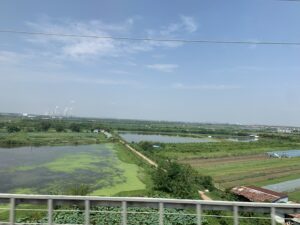
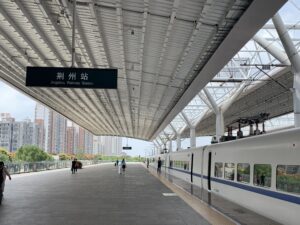
图:从随州往荆州的路上,经过云梦,作者摄于2025年09月15日
楚人对话后记|考烈王、黄歇与令尹夫人的观后感
云梦泽本人要求发言
五集《云梦记》终于落幕。
我合上满屏幕的文字稿,
望着江汉平原的古地图,
忍不住长长叹了一口气。
考烈王看见我的表情:
「令尹夫人怎么了?
难道纪录片又讲错楚国?」
黄歇忍不住笑了起来:
「大王,夫人原本想看湖,
结果看了两集秦简秦律,
第四集还研究秦楚墓葬!」
我无奈地摊开双手:
「我只是想寻找云梦泽,
看看它如何形成与消失。
没想到秦人先占了镜头!」
忽然桌上的古地图起了波纹,
一个低沉的声音传来:
「你们讲完了吗?
我已经等了整整五集!」
考烈王惊讶地站起来:
「何人在此大胆发言?
竟敢打断寡人的谈话,
还不快快报上名来!」
那声音慢悠悠地回答:
「大王,您的先王们在我这里游猎,
楚人在我岸边生活,
如今竟然认不出我了?」
黄歇忍不住哈哈大笑:
「大王,是云梦泽本人!
看来夫人还没抗议完,
连这片湖都忍不住了!」
云梦泽委屈地说道:
「楚人讲文化,秦人讲法律。
我经历四千年的河流泥沙,
怎么没人讲我的身世?」
我赶紧举起研究论文:
「我有!我已经研究过了。
从鼎盛、淤浅到萎缩湮灭,
连你的古地图都找出来了!」
考烈王满意地点点头:
「令尹夫人果然没闲着。
看完五集纪录片以后,
又替寡人研究了一片湖!」
黄歇望着我的电脑笑道:
「夫人研究德国的船舶,
如今又研究楚国的水泽。
看来走到哪里都离不开水!」
云梦泽终于笑了起来:
「那下一部纪录片,
能不能让我自己当主角?
别又讲着讲着变成秦国!」
五集纪录片结束了,
秦人讲完了法律与制度,
楚人留下了文化与记忆;
云梦泽却还有话想说。
江风吹过古老的水泽,
芦苇在岸边轻轻摇曳;
两千年多前的湖,
还在等一个愿意俯身的人。
说明:本篇对话为作者依据楚国历史人物创作的文学想象,云梦泽的拟人化发言亦属文学表现,并非真实历史对话。
Appendix|English Narrative Overview
Yunmeng Marsh: The Chu Had More to Say, but the Qin Arrived
I Came Looking for a Lake, but Found the Qin Empire
I began watching Searching for Ancient China: The Yunmeng Chronicle, a five-part documentary broadcast by China Central Television (CCTV) in 2023, hoping to discover the history of Yunmeng Marsh, a vast and changing wetland landscape that once shaped life in central China. I wanted to understand how its lakes had formed, how its waters had changed, and why so much of that ancient landscape had eventually disappeared.
The documentary did begin with the lake. In its first episode, geographer Gu Yansheng introduced research into ancient sediments, explaining how scientists reconstruct the evolution of Yunmeng through geological evidence. Yet as the series continued, the lake gradually surrendered the spotlight to another protagonist: the Qin Empire.
By the second episode, archaeologists were examining bamboo manuscripts from Qin tombs. The third explored law and administration, while the fourth examined migration and cultural exchange between Qin and Chu communities. Only in the final episode did the extraordinary artistic imagination of Chu return to the foreground, accompanied by a brief reflection on the landscape that had nurtured it.
This is a valuable archaeological documentary, rich in discoveries and historical interpretation. But I finished watching with a question that had not left me since the beginning: What happened to Yunmeng Marsh itself?
The Lake That Was Never Just One Lake
The name Yunmeng has survived far longer than the kingdoms that once ruled the region. In early Chinese texts, Yunmeng referred to an extensive royal hunting landscape associated with the ancient State of Chu, encompassing forests, plains, marshes and lakes. It did not describe a single continuous body of water.
Yunmeng Marsh, more specifically, referred to the ancient lake and wetland systems of the Jianghan Plain, between the Yangtze and Han rivers in present-day Hubei Province. Later interpretations sometimes confused the broader hunting grounds with the marsh itself, giving rise to the image of one enormous lake stretching across a vast territory.
The documentary’s first episode evokes an immense expanse of water merging with the horizon. Geological research published in 2025, however, places greater emphasis on a dynamic landscape of interconnected rivers, lakes, floodplains and deltas. These perspectives invite a more precise question: was Yunmeng a single giant lake, or a changing system of waters whose boundaries shifted across different historical periods?
To understand this landscape, we must travel back approximately four thousand years.
The Yangtze and Han rivers repeatedly altered their courses, carrying floodwaters and sediments across the low-lying plain. Gradual tectonic subsidence created space for water to accumulate, while monsoon rainfall and river flooding helped sustain extensive wetlands. During the Xia and Shang periods, wetter conditions contributed to the expansion of numerous lakes, producing one of the most extensive phases of the ancient Yunmeng lake system.
Yet the landscape never remained still. During the Zhou, Qin and Han periods, sediment increasingly accumulated across the plain. The Jingjiang delta advanced eastward, gradually reducing the space occupied by lakes and changing the connections between waterways. While the Chu kingdom flourished and Qin power expanded southward, another transformation was unfolding beneath the feet of both peoples.
During the Wei, Jin and Northern and Southern Dynasties, the ancient lake system contracted further. By the Tang and Song periods, changing river channels, embankments and land reclamation had increasingly altered the relationship between the Yangtze and its surrounding lakes. The earlier large-scale system lost much of its former geographical continuity.
The disappearance of Yunmeng Marsh did not mean that every lake vanished. Hong Lake, Chang Lake and other modern wetlands remain part of the Jianghan Plain’s water landscape, although none can simply be identified with the original marsh in its ancient form.
The lake did not die. It dispersed.
Its history survives not only in geographical names and ancient poetry, but also in sediment layers, abandoned river channels and the changing distribution of wetlands. Where historians read bamboo manuscripts, geologists read the earth.
When the Lake Left the Stage
The first episode, Tracing Yunmeng, provides a scientific introduction to the ancient lake landscape. Sediment cores, particle-size analysis and phytoliths help researchers reconstruct environmental changes and the gradual transformation of wetlands into land. The documentary then turns to the southward movement of Chu communities, the ancient Chu capital at Jinan City, the Tonglüshan copper mines and the political rise of Chu in the Jianghan region.
By the end of the episode, the narrative approaches Anlu and the confrontation between Qin and Chu. The lake has provided the setting, but the political story is beginning to take over.
In the second episode, Remarkable Bamboo Manuscripts, the focus shifts to the Shuihudi Qin tombs, discovered in Yunmeng County. One tomb belonged to Xi, a Qin official whose life and administrative responsibilities were recorded in bamboo manuscripts. These documents offer an extraordinary view of law, government and daily administration during the expansion of Qin power.
The discovery is historically important. Yet it also changes the central question of the documentary. Instead of continuing to ask how the ancient marsh evolved, the narrative increasingly asks how the Qin state governed and unified territories once belonging to other kingdoms.
The geographical name remains Yunmeng, but the story has acquired a different protagonist.
When Qin Law Entered the Wetlands of Chu
The third episode, Exploring the Qin Manuscripts, examines legal and administrative documents, including the Eighteen Categories of Qin Statutes and Answers to Questions on Qin Law. These texts reveal a government concerned with agriculture, land, registration, public administration and the management of resources.
Some regulations even addressed seasonal ecological conditions. Qin law restricted certain activities involving young birds, young animals and vegetation during specified periods of the year. Such provisions show that the natural calendar was not entirely separate from the legal system: seasonal changes could influence what people were permitted to do.
This raises an especially interesting question for the Jianghan Plain. How did a legal system developed under Qin rule operate when it entered a landscape dominated by rivers, wetlands, floodplains and different agricultural conditions?
The documentary does acknowledge tensions between Qin institutions and local Chu traditions. A document associated with Teng, the governor of Nan Commandery, illustrates difficulties in applying Qin law where established customs differed. A table comparing Qin and Chu month names also reflects the practical need to navigate different calendrical traditions.
These examples show that political incorporation did not automatically erase local differences. The documentary explores the adaptation of institutions and customs, but leaves room for another line of inquiry: how did the physical environment itself shape the application of those institutions?
Qin arrived not only with soldiers, but also with measuring tools, registers and laws. Yet the rivers and wetlands of Chu had their own rhythms, which no imperial decree could simply command to disappear.
Zhengjiahu: Migration, Conquest and Everyday Life
The fourth episode moves to the Zhengjiahu cemetery, where archaeological discoveries reveal people whose lives crossed the political and cultural boundaries between Qin and Chu.
Researchers have examined human teeth and bones, using isotope analysis to investigate childhood environments, diet and possible migration. According to the findings presented in the documentary, twelve individuals were studied, with evidence suggesting northern origins for seven and southern origins for five. Nine were interpreted as having experienced long-distance migration.
One particularly compelling example is Tomb M257. Its occupant is interpreted as a man born in the north who moved to the Jianghan Plain during childhood, later entered military service and was eventually buried at Zhengjiahu. His grave contained objects associated with both Qin and Chu traditions.
These findings bring a human dimension to the history of unification. Political borders may change through warfare, but the lives of individuals unfold through childhood, movement, work, military service, family relationships and death.
The documentary also acknowledges that migration was not always voluntary. Qin policies could involve the relocation of people convicted of offenses, military garrisons and large movements of population into newly controlled territories. These processes formed part of the political realities behind cultural contact.
Yet the archaeological evidence does not tell a story of one culture simply replacing another. Qin communities also adopted elements of Chu food practices, burial customs and artistic traditions. The resulting society was shaped by encounters in which both sides changed, although not necessarily under equal conditions.
Cultural integration is rarely a meeting between people who begin their journeys on equal terms. Sometimes one arrives with political authority, while the other carries the traditions of the land. Over time, daily life changes both.
The Phoenix of Chu Returns
The fifth episode, Echoes of Chu Culture, finally returns to the distinctive artistic world of Chu.
Phoenixes, antlers, fantastic animals, lacquered wooden sculptures and richly imaginative decorative forms reveal a civilization with an extraordinary visual language. The documentary connects this creativity to the mists, waters, forests and seasonal abundance of the Yunmeng landscape, suggesting that the natural environment helped nourish the spiritual and imaginative world of the Chu people.
This is an important answer, and one the documentary does provide. The lake was not merely a geographical background. It contributed to the cultural imagination of the people who lived around it.
Yet the episode eventually moves from ancient Chu symbolism to modern space exploration, drawing a connection between the mythological figure Zhurong and contemporary ambitions to explore the universe. At the conclusion, Yunmeng Marsh reappears as a witness to the long history of the Jianghan Plain.
What remains relatively brief is the story of the landscape’s own transformation: how the ancient lake system gradually became the rivers, fields, wetlands and settlements of the modern plain.
The phoenix of Chu has taken flight. The waters of Yunmeng are still waiting for someone to return to their story.
What the Earth Preserved
The Zhengjiahu discoveries offer another way to understand the relationship between people and the environment.
The cemetery lay near the northern margins of the ancient Yunmeng wetland landscape during the Qin and Han periods. High groundwater levels contributed to waterlogged burial conditions, helping preserve wooden and other organic materials that might otherwise have decayed. The documentary notes that fourteen of the 116 tombs excavated in Area C in 2021 were waterlogged tombs.
In this sense, the water that once shaped life in the region also helped preserve traces of that life for archaeologists thousands of years later.
Other evidence brings the environment even closer to the human body. Researchers identified parasite eggs in skeletal remains from several tombs, while differences in liver-fluke evidence between Qin- and Chu-associated burials may reflect variations in dietary practices involving freshwater foods.
These microscopic traces are as revealing, in their own way, as the bamboo manuscripts. They remind us that ancient people lived not only within political institutions, but also within ecosystems. Their food, health, movement and burial conditions were influenced by the rivers and wetlands around them.
A remarkable wooden writing tablet from Zhengjiahu offers yet another kind of historical voice. Containing approximately seven hundred Chinese characters, it records an account of an adviser urging the Qin king to halt further military campaigns. The ruler does not accept the advice, and the wars continue.
This text complicates a history told only through victories and unification. Even within the surviving record of imperial expansion, we can sometimes hear objections to continued conquest.
The archaeological materials therefore invite several histories to be written at once: the history of Qin administration, the history of Chu cultural survival, the history of migration and adaptation, and the environmental history of the land that sustained them all.
Did the Lake Disappear, or Did We Stop Looking?
Today, visitors to the Jianghan Plain can still see lakes, wetlands and reeds moving in the wind. Hong Lake and Chang Lake are not unchanged fragments of a single ancient giant lake, but they belong to the long and complex environmental history of the region.
The transformation of Yunmeng Marsh took place over thousands of years. Rivers shifted, sediments accumulated, lakes contracted and human activities altered the waterways. These changes unfolded across the rise and fall of kingdoms and dynasties, often at a pace far slower than political history.
The documentary offers a coherent account of archaeological discoveries, Qin institutions, population movement and cultural integration. Its interpretation is meaningful, but it is not the only story that these materials can tell.
If we begin with the bamboo manuscripts, we encounter laws and officials. If we begin with the graves, we encounter migration and cultural contact. If we begin with the water, we encounter an entire civilization adapting to a changing landscape.
Perhaps the more important question is not simply why Yunmeng Marsh disappeared from the map. It is whether, as its waters gradually receded, we also stopped looking for the history they had left behind.
The lake has not entirely disappeared. It has moved from the map into the earth, from the margins of written history into the layers beneath our feet.
Across Civilizations
Yunmeng Marsh Demands Its Own Speaking Part
After watching all five episodes, I closed the documentary transcript and looked once more at an ancient map of the Jianghan Plain. King Kaolie of Chu noticed my expression and asked, “My Lady, what troubles you? Has the documentary misunderstood Chu history again?”
Lord Chunshen, Huang Xie, laughed. “Your Majesty, she came to see a lake. Instead, she spent two episodes studying Qin manuscripts and laws, followed by another episode examining Qin and Chu tombs!”
“I only wanted to understand how Yunmeng Marsh formed and disappeared,” I protested. “But the Qin arrived and took over the screen!”
Suddenly, ripples spread across the ancient map on my desk. A deep voice interrupted our conversation.
“Have you all finished? I have been waiting through five entire episodes!”
King Kaolie rose in surprise. “Who dares interrupt the King of Chu? Identify yourself!”
The voice replied slowly, “Your ancestors hunted across my landscape. The people of Chu lived beside my waters. And now you do not recognize me?”
Huang Xie burst into laughter. “Your Majesty, it is Yunmeng Marsh itself! It seems my lady is not the only one who wishes to complain.”
Yunmeng Marsh sounded deeply offended. “The Chu speak of culture, and the Qin speak of law. I spent four thousand years changing with rivers and sediments. Why does nobody want to tell my story?”
I quickly raised my geological research paper. “I do! I have studied your expansion, silting, contraction and transformation. I even found the ancient maps!”
King Kaolie nodded approvingly. “My Lady has certainly kept herself busy. After watching five episodes, she has researched an entire ancient lake for me!”
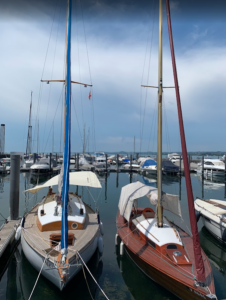
Huang Xie glanced at my computer and smiled. “She studies historic ships and waterways in Germany, and now she is researching the wetlands of Chu. Wherever she travels, she always finds her way back to water.”
At last, Yunmeng Marsh laughed.
“Then may I be the main character in the next documentary? And please, do not let the Qin take over my story again!”
The five episodes had ended. The Qin had spoken of laws and institutions, and the Chu had left behind their culture and memories. But Yunmeng Marsh still had more to say.
Beyond the ancient shoreline, the wind moved softly through the reeds. The waters of another age were still waiting for someone willing to bend down and listen.
Author’s note: This concluding dialogue is a literary imagination involving historical figures from the State of Chu and a personified Yunmeng Marsh. It is not a record of an actual historical conversation.
📜 参考文献
- 《寻古中国·云梦记》(2023)——中央广播电视总台五集历史考古纪录片,本文的主要分析对象。
- 《楚国八百年:楚人还有话要说》——从楚国兴衰与文明记忆出发,重新审视楚国历史的纪录片叙事。
- 《看见纪南城》——从楚都考古与城市空间出发,讨论一座古都如何被重新呈现。
- 顾延生、管硕、李越南(2025):《江汉平原古云梦泽形成演化及其影响机制》,《地球科学》第50卷第3期,第830–845页。
🤖 人工智能协作声明
本文的主题选择、田野调查、资料搜集、核心观点与中文原始内容,均由作者独立完成。创作过程中,作者与人工智能模型进行持续协作,包括多轮讨论、思路推演、叙事节奏调整、部分翻译、英文 Narrative Overview 生成、语言检查、结构检测与文字润饰。
人工智能在此过程中,作为创作协作者,参与内容发展与语言表达,但不作为法律意义上的作者或著作权主体。所有 AI 协作产生的内容,均由作者依据田野资料、原始文献与中文母稿,进行选择、审校、修改与艺术化重构。文章的叙事方向、内容取舍、创作决策、最终表达与价值判断,均由作者决定并负责。
📜 本站所有原创作品均已完成区块链存证,确保原创凭证。部分重点作品另行提交国家版权登记,作为正式法律备案。原创声明与权利主张已公开。完整说明见:
👉 原创声明 & 节奏文明版权说明 | Originality & Rhythm Civilization Copyright Statement – NING HUANG
节奏文明存证记录
本篇博客为原创作品,由黄甯与 AI 协作生成,于博客网页首发后上传至 ArDrive 区块链分布式存储平台进行版权存证:
- 博客首发时间:2026年11月07日
- 存证链接:c255051c-abe7-4099-acbd-1e5bf0feddf7
- 存证平台:ArDrive(arweave.net)(已于 2026年11月07日上传)
- 原创声明编号:Rhythm_Archive_07_Nov_2026/yunmeng-marsh-chu-qin-stories
- 用途声明:本文为《节奏文明观》之篇章,亦参与构建《AI×非遗文明共构档案》与《文明节奏回声计划》,用于文明节奏实地记录、区块链存证、跨域协作与版权登记用途。
© 黄甯 Ning Huang, 2026. All Rights Reserved.
本作品受版权法保护,未经作者书面许可,禁止复制、改编、转载或商用,侵权必究。
📍若未来作品用于出版、课程、NFT或国际展览等用途,本声明与区块链记录可作为创作时间及原创性的佐证。