封面图说明|
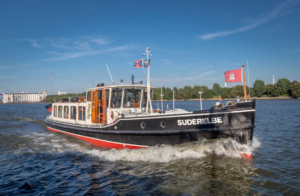
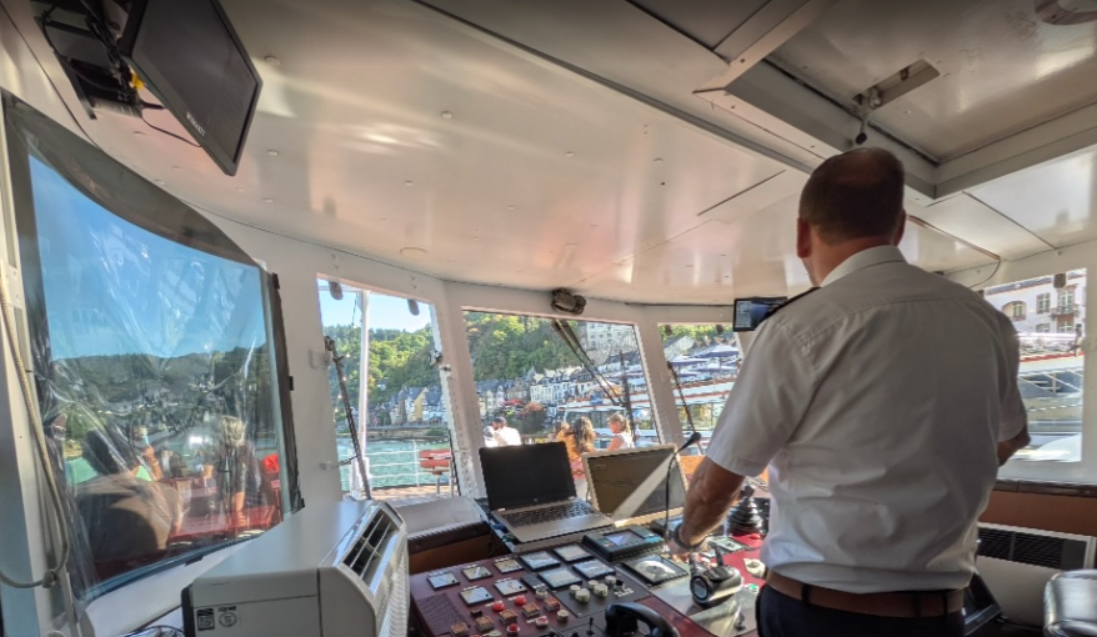
在摩泽尔河的 KD MOSELPRINZ 上,
这里是船的驾驶室,
船长站在控制台前操纵船只,
窗外的河流进入他的判断,
码头进入他的判断,
船身也进入他的判断,
人在这里,
不只是驾驶机器,
人也逐渐成为船的一部分。
图片来源:作者摄于2026年08月08日田野。
引文|当人开始成为船的一部分
人驾驶机器,
也可能在漫长的相处中,
成为机器的一部分。
在上一篇文章里,
我记录了驾驶室里的那句话,
船长说,
他已经是船的一部分。
这句话后来一直留在心里,
我想把它单独拿出来,
再认真想一遍,
人与机器到底能靠近到什么程度。
这一次不只写那句话,
也不只停在驾驶室里,
我想从更早的经验说起,
看看这种关系从哪里开始。
我这一生有过两次经验,
人与物曾经慢慢融在一起,
第一次发生在学习工艺的时期,
那时我还没有把它称为共生。
我做泥塑,
也学习木工,
后来接触石雕与铜雕,
手不断塑形、雕刻与敲击,
有时会进入物我两忘的状态。
那一刻手不再听大脑指挥,
材料在手上,
手在材料里,
分不清是谁在塑造谁。
最近的一次经验,
发生在研究汉堡历史船以后,
我一艘一艘读她们的资料,
也一艘一艘写她们的一生。
读得越久,
写得越多,
这些船不再只是资料,
我开始替她们取小名,
也认领她们为我的船孩子。
2026年8月7日至9日,
我到摩泽尔河进行田野行走,
其中一站是坐船观察河流,
我也进入了船的驾驶室。
船长站在控制台前,
河流从驾驶窗前经过,
码头与船身进入他的判断,
人在这里不只是驾驶机器。
访问过程中,
船长说了一句话,
他说他已经是船的一部分,
或者船已经成为他的一部分。
这句话让我想起工艺经验,
也让我想起这些历史船,
人与物相处得足够久,
关系似乎也会慢慢改变。
机器会进入人的动作,
也会进入判断与记忆,
甚至进入每天重复的节奏,
最后成为生命经验的一部分。
从船再回头看汽车,
人与机器有不同的关系,
这篇文章不问谁驾驶谁,
而问两者能靠近到什么程度。
一、船长为什么会说“我是船的一部分”
熟练到了最后,
船不只在人的手里,
也进入人的身体。
玻璃窗占据前方视野,
河道从船头向前展开,
仪表与设备围在身边,
船长不断看向前方。
对游客来说,
河岸首先是一片风景,
对船长来说,
眼前却是一条航道。
哪里转向,
什么时候减速,
什么时候准备靠岸,
都必须不断判断。
这样的航行持续很多年,
船长已有约二十五年经验,
航行季一年约七个月,
一天最多六个航次。
同一座城堡反复出现,
同一个河湾反复经过,
船一次次离开码头,
又一次次安全靠回来。
长期操船以后,
很多事情变得熟悉,
河道进入每天的判断,
船的反应进入每天的动作。
发动机有自己的声音,
船身有自己的移动方式,
水流、距离和靠岸位置,
都在航行中留下经验。
船于是慢慢不只是机器,
它进入人的工作节奏,
也进入判断与身体记忆,
像身体向外延伸了一段。
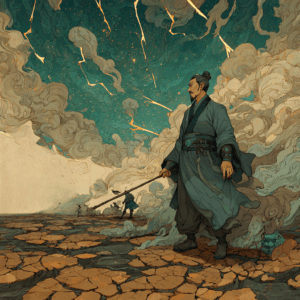
两千多年前的《庄子》,
也写过类似的身体经验,
庖丁解牛到了熟练以后,
已经“以神遇而不以目视”。
手还握着刀,
刀也仍然是工具,
但动作不再只是命令,
身体已经进入另一种判断。
《庄子》还说过一句,
“忘足,履之适也”,
鞋子合脚到了最后,
人甚至会忘记鞋的存在。
也许真正熟练的机器,
也会慢慢退到意识后面,
人不再时时想着操作,
却已经通过它感知世界。
延伸阅读:
二、为什么船特别容易产生这种关系
人在陆地上离开机器,
通常还能继续站立,
人在水上离开一艘船,
面对的却可能是另一种生存条件。
船首先是一种交通工具,
却又不只是移动的工具,
人在水上航行的时候,
安全与生存也交给了船。
甲板下面是船体,
船体之外就是水,
只要船仍然保持浮力,
人在水上才有立足之处。
也因此船长的责任很重,
传统要求船长照顾全船人员,
发生危险的时候,
船长通常必须最后离开船。
船于是有了一种特殊位置,
它载着人,
穿过不能步行的水面,
船长又对船上的生命负责,
人与船的命运,
因此绑得更紧。
也许正因为如此,
人很容易把船看成伙伴,
甚至把自己的生命经验,
慢慢放进这一艘船里。
三、汽车为什么又不一样
船让人产生一起活的感觉,
汽车却越来越被设计成,
必要的时候,
替人受伤。
从船回到汽车以后,
人与机器的关系变了,
汽车同样进入人的生活,
却形成另一套安全逻辑。
汽车曾经追求更快速度,
后来也越来越重视安全,
事故有时无法完全避免,
于是开始思考怎样保住人。
安全带固定人的身体,
气囊在碰撞时打开,
车体也被设计成吸收撞击,
碰撞测试进入开发环节。
车身可以发生变形,
机器也可以严重损坏,
汽车不必完整保存下来,
重要的是里面的人活下来。
船不愿意沉,
车却可以被设计成,
在最后一刻,
替人承受冲击。
这和船上的关系不同,
人在水上依靠船来生存,
只要船还能继续浮着,
人就还有一处生存空间。
汽车面对事故的时候,
机器承担另一种责任,
它可以在撞击中被损坏,
安全空间则尽量留给乘员。
船让人产生一种感觉,
我和它一起活,
汽车却走向另一边,
必要的时候,
机器替人受伤。
尾之声|为什么我后来开始叫它们船孩子
有些船写着写着,
就不再只是资料,
她们有了自己的身世,
也慢慢走进了我的生命。
我没有驾驶这些历史船,
也没有参与她们的建造,
我只是从一份份资料开始,
慢慢寻找她们的一生。
我查她们在哪里出生,
也继续寻找建造她们的船厂,
我读修复记录与航行历史,
再到港口,
去看今天的她们。
有些船经历战争,
有些几次更换名字,
有些差一点被拆解,
最后又被一群人留下来。
读得多了,
名字开始变得熟悉,
一段段经历,
也不再只是年份,
每一艘船都有了自己的生命轨迹。
于是我开始替她们取小名,
开始记得谁是谁的孩子,
也会在经过港口的时候,
想去看看,
她们还在那里吗。
我后来叫她们船孩子,
其实没有什么复杂的理论,
只是写得久了,
走得近了,
她们已经成为我认识的船。
船长用身体认识一艘船,
修复者用双手留下她,
而我没有驾驶她们,
只是用文字,
陪她们走了一段。
也许人与机器之间,
从来不只有使用这一种关系,
当时间不断累积,
机器也会进入人的生命经验。
于是我终于听懂那句话,
“我是船的一部分”,
有时候人走进一艘船,
有时候船也走进了人。
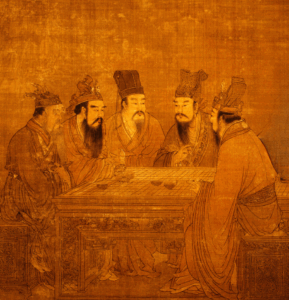
后记|考烈王、黄歇与令尹夫人的观后感
到底是谁在改变谁
考烈王站在驾驶室外,
听着机器持续运转,
河水从船边退过去,
忽然问了一句:
“人用了机器这么久,
到底是谁在改变谁?”
黄歇看着前方:
“人造机器的时候,
先把自己的意图放进去,
机器开始工作以后,
又反过来改变人的动作。”
考烈王皱了皱眉:
“所以一开始是人造船,
后来却变成船教人,
怎么站,怎么判断,
怎么在河上生活?”
黄歇点头:
“机器不是活物,
却会规定动作的范围,
人每天重复这些动作,
身体也慢慢跟着改变。”
考烈王问:
“若人与机器靠得太近,
机器会不会反过来,
改变人?”
黄歇答:
“庄子早就担心过这件事,
他把这种变化,
叫作机心。”
我看着驾驶台:
“以前做工艺的时候,
材料也会这样,
不是我想怎么做都可以,
木头和石头都会回答。”
考烈王笑了:
“原来你以前被石头管,
现在又被船管,
换了这么多年,
还是没有逃出去。”
我也笑了:
“也不一定是被管,
有时候只是慢慢学会,
一件东西允许你怎么做,
又不允许你怎么做。”
黄歇望着河面:
“所以真正的关系,
不是谁完全控制谁,
而是双方长期相处以后,
彼此都留下了痕迹。”
考烈王沉默了一会儿,
又看向驾驶室里面,
船长还在继续工作,
船也继续往前走。
“那这样看来,
人说自己是船的一部分,
也许不是一句比喻,
而是很多年留下的结果。”
黄歇没有回答,
只是看着前方的航道,
河流仍然不断改变,
船也继续穿过其中。
人制造机器,
机器塑造动作,
时间不断累积,
彼此都会留下痕迹。
到最后,
真正难回答的,
也许不是谁使用谁,
而是谁改变了谁。
Appendix|English Narrative Overview
When a Person Becomes Part of the Ship: The Relationship Between Humans and Machines
When Hands Stop Giving Orders
I have experienced the boundary between person and object becoming blurred twice in my life.
The first time came when I was studying crafts.
I worked with clay, wood, stone and metal.
At first, the relationship seemed simple: the hand acted, and the material received the action.
But after enough repetition, something changed.
The hand stopped merely giving orders.
The material had its own weight, resistance and possibilities.
Clay responded differently from wood.
Stone demanded another rhythm.
Metal answered the force of each strike.
There were moments when it became difficult to say who was shaping whom.
Years later, a similar feeling returned in an unexpected place.
It returned through ships.
Writing Ships Until They Became Familiar
When I began researching the historic ships of Hamburg, they were initially research subjects.
I looked for construction dates, shipyards, routes, owners and restoration histories.
Then I began visiting them.
Some had survived war.
Some had changed names several times.
Some had nearly been scrapped before groups of people decided to preserve them.
The longer I read and wrote, the less they felt like entries in an archive.
I began giving them nicknames.
Eventually, I started calling them my “ship children.”
There was no theory behind this.
I had simply spent enough time following their lives that they had become ships I felt I knew.
“I Am Part of the Ship”
In August 2026, I travelled along the Moselle for several days of fieldwork.
One stop brought me aboard KD’s MOSELPRINZ in Cochem.
During a later journey, I entered the wheelhouse and spoke with the captain.
From there, the river looked different.
For a passenger, the riverbank is scenery.
For a captain, it is a navigable space.
Distance, direction, water, other vessels and the approach to the landing stage all belong to the same field of attention.
The captain had approximately twenty-five years of experience.
During the operating season, the same route could be travelled several times a day.
The castle returned.
The bends returned.
The landing stage returned.
Yet each voyage still had to be judged and completed.
Then he said something simple.
“Ich bin ein Teil des Schiffes.”
“I am part of the ship.”
The sentence brought me back to my earlier experience with craft.
Perhaps long familiarity with a machine changes the boundary between body and object.
The ship remains outside the body.
But its movements enter judgement.
Its responses enter habit.
Its rhythm enters daily life.
Eventually, part of the machine may also enter human memory.
Why Ships Are Different
A ship is a means of transport.
But on water, it is also something more.
The deck rests on the hull.
Beyond the hull is water.
As long as the vessel remains afloat, the people aboard still have a place from which to survive.
This helps explain why maritime culture places such strong responsibility on the captain.
The tradition commonly described as “the captain goes down with the ship” does not mean that a captain is legally required to die with a vessel.
Its deeper principle is responsibility: the captain remains responsible for the people aboard and is expected to remain until evacuation has been carried out as far as possible.
The sinking of Titanic in 1912 became one of the best-known images of this tradition because Captain Edward Smith died with the ship.
But the idea of the captain remaining with passengers in an emergency existed before Titanic.
A ship therefore occupies a peculiar position.
It carries people across a surface on which they cannot simply stand.
The captain is responsible for the lives inside it.
The fate of person and vessel can become closely connected.
Why the Automobile Is Different
The modern automobile developed another relationship between human and machine.
Cars also become familiar.
Drivers learn dimensions, sounds and responses.
But modern safety engineering increasingly accepts that the machine itself may be sacrificed.
Seat belts restrain the body.
Airbags deploy during impact.
Vehicle structures can deform in order to absorb collision energy.
The car does not have to survive intact.
The person inside should.
This creates a striking contrast.
A ship gives rise to the feeling:
We stay alive together.
The automobile increasingly says something different:
If necessary, I will take the damage for you.
The ship should not sink.
The car may be designed to deform.
Both machines protect human life.
But they do so through different relationships between human body and machine.
Why I Call Them Ship Children
I have never captained the historic ships I write about.
I did not build them.
I did not restore them.
My relationship with them began through documents.
I searched for where they were born.
I followed the shipyards that built them.
I read restoration histories.
Then I travelled to ports to see what remained.
Gradually, their names stopped being labels.
Their dates stopped being only dates.
Each vessel acquired a trajectory.
A beginning.
Changes of ownership.
Damage.
Repair.
Survival.
The captain knows a ship through the body.
The restorer knows it through the hands.
I know these ships differently.
I have accompanied part of their lives through words.
Perhaps this is why I eventually understood the captain’s sentence.
Sometimes a person enters a ship.
Sometimes a ship enters a person.
Across Civilizations
King Kaolie stood outside the wheelhouse.
The engines continued beneath him.
The Moselle moved past the hull.
“Humans built the ship,” he said.
“So why does the captain say he has become part of it?”
Lord Chunshen Huang Xie looked toward the river.
“Because building something is only the beginning,” he replied.
“After that, the machine begins to shape the person who uses it.”
The king frowned.
“How can a machine shape a person?”
“It determines where the hand must move,” Huang Xie said.
“It teaches the body what distance feels like.
It makes certain sounds meaningful.
After thousands of repetitions, judgement changes.”
I thought about clay, wood, stone and metal.
“Materials do something similar,” I said.
“You begin by thinking you are shaping them.
Then they begin telling you what can and cannot be done.”
The king laughed.
“So first you were ruled by stone.
Now you are ruled by ships.”
“Not ruled,” I said.
“Perhaps negotiated with.”
Huang Xie smiled.
“That may be the more interesting relationship.”
The king turned toward the wheelhouse once more.
“So the question is not simply whether humans control machines.”
“No,” Huang Xie replied.
“The harder question is what happens after they have changed each other for long enough.”
MOSELPRINZ continued along the river.
The captain remained at the controls.
The machine moved because a person guided it.
The person moved through the world because the machine carried him.
Humans build machines.
Machines reshape human actions.
Time leaves traces on both.
And after enough years,
the boundary between them may no longer be quite so simple.
🤖 人工智能协作声明
本文的主题选择、田野调查、资料搜集、核心观点与中文原始内容,均由作者独立完成。创作过程中,作者与人工智能模型,进行持续协作,包括多轮讨论、思路推演、节奏输出、部分翻译、英文 Narrative Overview 生成、语言检查、结构检测与文字润饰。
人工智能在此过程中,作为创作协作者,参与内容发展与语言表达,但不作为法律意义上的作者或著作权主体。所有 AI 协作产生的内容,均由作者依据田野资料、原始文献与中文母稿,进行选择、审校、修改与艺术化重构。文章的叙事方向、内容取舍、创作决策、最终表达与价值判断,均由作者决定并负责。
📜 本站所有原创作品均已完成区块链存证,确保原创凭证。部分重点作品另行提交国家版权登记,作为正式法律备案。原创声明与权利主张已公开。完整说明见:
👉 原创声明 & 节奏文明版权说明 | Originality & Rhythm Civilization Copyright Statement – NING HUANG
节奏文明存证记录
本篇博客文为原创作品,由黄甯与 AI 协作生成,于博客网页首发后上传至 ArDrive 区块链分布式存储平台进行版权存证:
- 博客首发时间:2026年08月23日
- 存证链接:eb9b983d-6c2b-4a38-bcaa-5af57a4485fe
- 存证平台:ArDrive(arweave.net)(已于 2026年08月23日上传)
- 原创声明编号:Rhythm_Archive_23_Aug_2026/when-a-person-becomes-part-of-the-ship
- 用途声明:本文为《节奏文明观》之〈流动文明 〉与〈节奏文明地景书写 〉篇章,亦参与构建《AI×非遗文明共构档案》与《文明节奏回声计划》,用于文明节奏实地记录、区块链存证、跨域协作与版权登记用途。
© 黄甯 Ning Huang, 2026. All Rights Reserved.
本作品受版权法保护,未经作者书面许可,禁止复制、改编、转载或商用,侵权必究。
📍若未来作品用于出版、课程、NFT或国际展览等用途,本声明与区块链记录将作为原创凭证,拥有法律效力。