封面图说明|
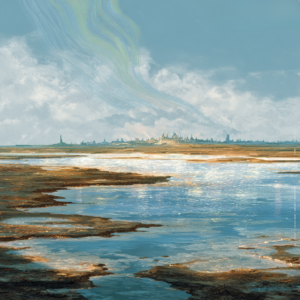
一辆红色双层巴士驶过汉堡,
城市从车窗之外不断展开,
街道、建筑、水面与港口彼此连接,
原本分散的地点开始形成一张城市地图,
这是我从移动中重新阅读汉堡的一天。
图片说明|除特别注明外,本文照片均由作者黃甯(Ning Huang)摄于 2026 年 8 月 31 日汉堡,图片及资料之版权归原权利人所有。
说明|
本次搭乘由 Die Roten Doppeldecker GmbH 提供赠票,
本文内容来自实际搭乘后的独立观察与田野记录,
公司未参与本文内容的撰写与评价。
引文|一趟差一点无法开始的城市阅读
认识一座城市,
有时不是从景点开始,
而是从真正坐上车的那一刻开始。
时间:2026年08月31日 (一)
行程|汉堡 · 红色双层旅游巴士城市导览

8 月 31 日的早晨,
我拿着事先收到的赠票,
来到红色双层巴士的车站,
准备从移动的车窗,
重新看看已经走过多次的汉堡。
没想到准备上车时,
赠票的二维码却无法使用,
原本已经安排好的城市导览,
差一点就在车门前结束。
经过一番现场沟通,
我终于拿到一张新的车票,
红色双层巴士缓缓驶离车站,
刚才的插曲留在身后,
城市开始从车窗外展开。
第一次来到汉堡的人,
很容易面对同一个问题,
港口、仓库城与市政厅,
湖泊、教堂与城市街区,
究竟该从哪里开始?
如果只有一天,
与其在地图上寻找答案,
不如先让城市自己移动起来,
沿着一条路线慢慢展开,
这也是我坐上这辆巴士的原因。
一、什么是 Die Roten Doppeldecker?
从 1978 年到今天,
红色巴士不断穿过汉堡,
也成为许多游客认识城市的起点。
1. 从 Hummelbahn 到红色双层巴士
Die Roten Doppeldecker 的历史,
可以追溯到 1978 年,
早期使用特别设计的 Hummelbahn,
后来逐渐发展成今天熟悉的,
红色双层城市观光巴士。
今天最主要的 Linie A,
采用 Hop-on Hop-off 的方式,
游客可以在沿途站点上下车,
再搭乘下一辆巴士,
继续自己的城市探索。
整条路线共有二十个停靠站,
完整行驶约九十到一百分钟,
车上的语音导览提供多种语言,
其中也包括中文,
让国际游客能够认识汉堡。

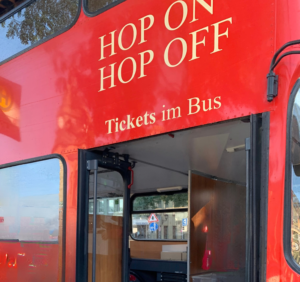
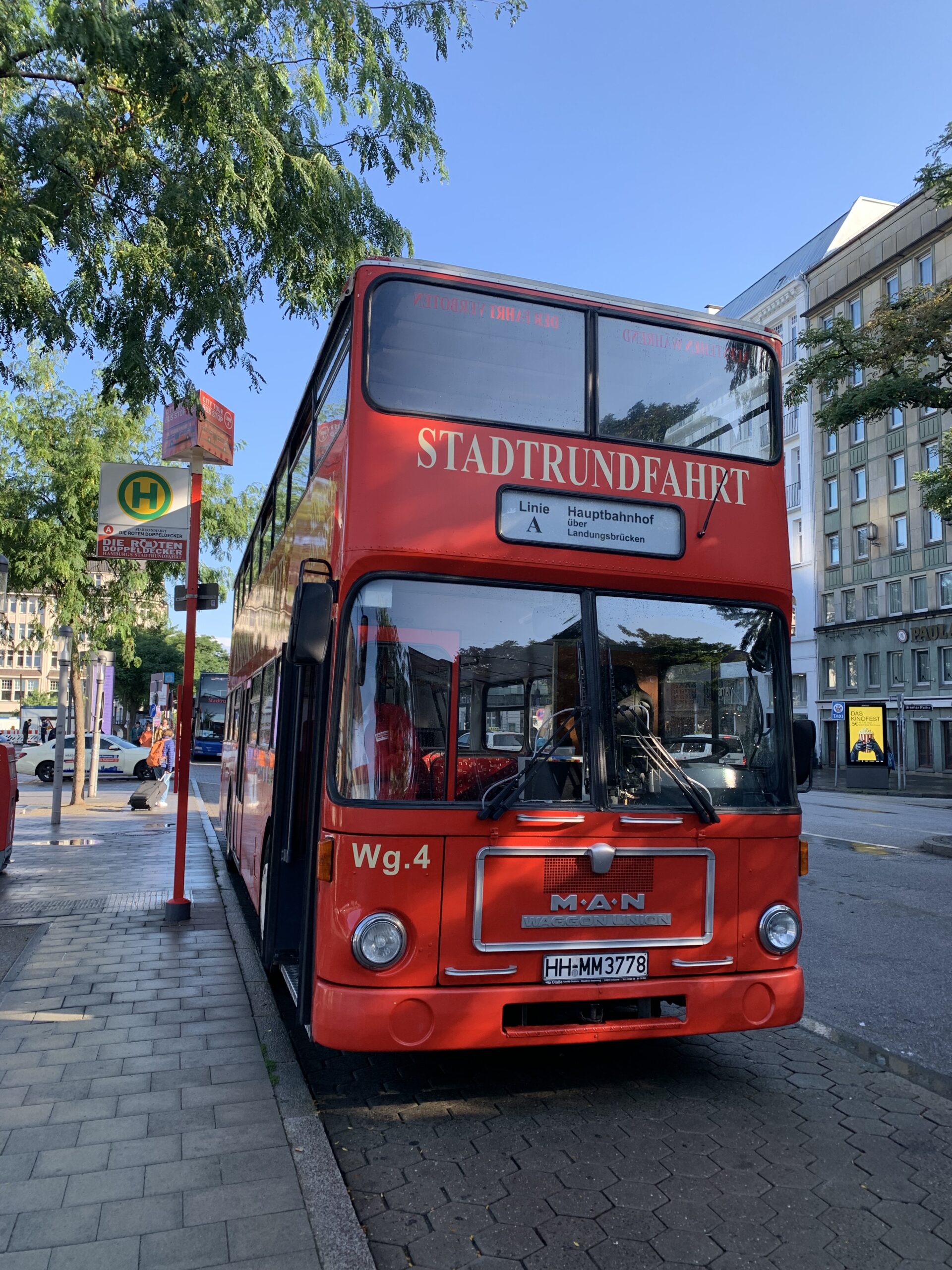
图:Die Roten Doppeldecker 的红色双层巴士,已经成为汉堡街头容易辨认的城市观光方式。


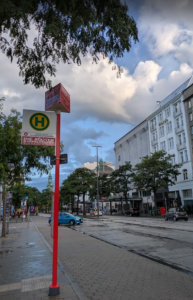
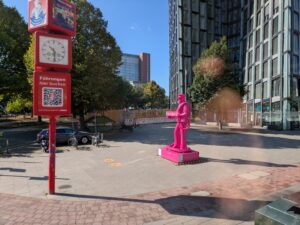
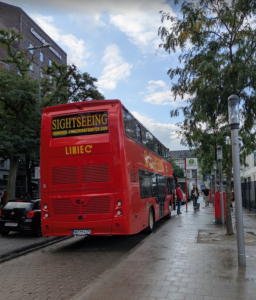
图:Hop-on Hop-off 的停靠站,把分散在城市里的景点连接成一条可以自由上下车的路线。
二、二十个停靠站:一条路线,成为一张城市名片
二十个停靠站,
不是二十个彼此分开的景点,
而是一座城市选择介绍自己的方式。
1. 一条路线,也是一张城市名片
打开 Linie A 的路线图,
二十个站点散布在汉堡市区,
但如果不再逐站阅读,
而是重新观察这些地点,
另一张城市地图就会出现。
Landungsbrücken 与港口,
讲述汉堡与易北河的关系,
仓库城与 HafenCity,
连接世界贸易的历史,
也连接今天的城市更新。
市政厅与历史城区,
留下政治与城市发展的轨迹,
博物馆与文化设施,
构成另一层城市记忆,
公园则打开绿色的汉堡。
阿尔斯特湖与城市水道,
又让水重新进入视野,
港口、贸易、政治与文化,
因此不再彼此分散,
而被一条路线连接起来。
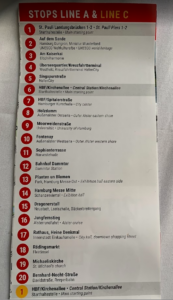
图:Linie A 的二十个停靠站,连接港口、历史城区、政治文化空间以及汉堡的水岸景观。
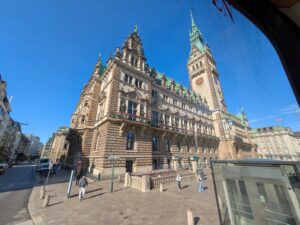
图:红色双层巴士经过汉堡市政厅,政治、历史与城市空间,被一条移动的观光路线连接起来。
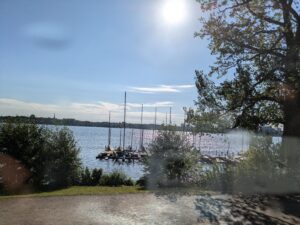
图:从建筑密集的市中心来到阿尔斯特湖,移动中的视野也让游客感受到汉堡不同城市空间之间的变化。
三、从车窗移动,重新读懂汉堡
有些城市空间,
无法站在原地理解,
只有沿着城市移动,
才能看见彼此的关系。
1. 城市必须在移动中阅读
真正坐上巴士以后,
路线图上的二十个站点,
开始变成连续的城市空间,
街道、建筑、水面与桥梁,
不断从车窗之外经过。
经过仓库城的时候,
砖造仓库沿着水道展开,
进入 HafenCity 以后,
城市的尺度再次改变,
旧港口与新城区彼此重叠。
港口也不再只是一个景点,
河流把码头与城市连接起来,
桥梁不断改变观看的位置,
仓库留下世界贸易的痕迹,
新的城区则继续向港口生长。
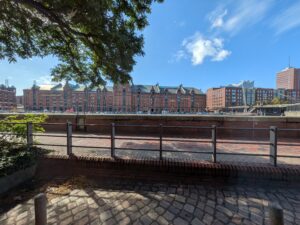
图:从移动的巴士观察仓库城,水道、桥梁与仓库不再是单独的建筑,而开始形成完整的港口空间。
2. 从上层车窗看城市
我选择坐在巴士上层,
视线因此高过一般车辆,
许多平时从街道经过时,
容易被建筑遮挡的空间,
这一次变得更加清楚。
但移动也带来另一种限制,
景物不会等待游客理解,
有时耳机里的中文导览中断,
巴士却仍然继续向前,
声音与眼前的位置便失去同步。
这也是实际搭乘以后,
我才真正注意到的问题,
城市导览不仅是一条路线,
还包括车辆、语言与技术,
以及整个服务如何彼此配合。
视频:巴士继续驶过汉堡街道,城市不会因为导览暂时中断而停下来。
3. 哪些地方值得再次下车?
一圈城市导览结束以后,
真正留下来的不是二十个站名,
而是几个想再次走近的地方,
巴士完成的是第一次筛选,
步行才开始第二次阅读。
因此 Hop-on Hop-off 的意义,
也不只是自由上下车,
它先让游客看见城市整体,
再决定在哪一个地方停下来,
继续自己的城市探索。
尾之声|在写完二十艘历史船之后,再看汉堡
红色双层巴士,
带我看见今天的汉堡,
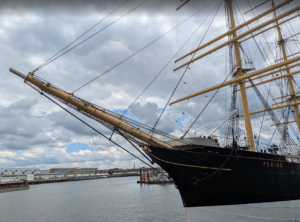
历史船则让我理解汉堡为什么成为汉堡。
在认识这些历史船以前,
我看到的是一座旅游城市,
港口、教堂与仓库城,
只是地图上不同的地点,
彼此之间并没有真正连接。
在完成二十艘历史船的研究后,
我再次坐上红色双层巴士,
同样经过港口与仓库城,
眼前看到的城市,
却已经和以前不同。
码头背后连接着航运,
仓库背后连接着世界贸易,
船厂留下工业发展的轨迹,
历史船保存不同年代的技术,
易北河则把这一切连接起来。
因此这一次城市观光,
对我而言已经不只是观光,
它更像一次重新整理,
把过去几个月看到的船与港口,
重新放回汉堡这座城市。
一辆红色双层巴士,
无法解释完整的汉堡,
却可以先建立一张城市地图,
然后让每一个来到这里的人,
找到自己想继续走进去的地方。
后记|考烈王、黄歇与令尹夫人的观后感
如果只能带楚王看二十个地方
考烈王坐在双层巴士的上层,
看着市政厅从车窗外经过。
“汉堡这么大,
为什么只带我们看二十个地方?”
“因为一天看不完整座城市。”
我说。
他继续问:“那谁决定先看什么?”
我回答:“设计这条路线的人。”
黄歇看着窗外笑了。
“那这二十个地方就有意思了。
第一次来到汉堡的人,
会先通过它们认识这座城市。”
巴士继续向前,
仓库城、桥梁与水道从车窗外经过。
随后密集的建筑渐渐退去,
阿尔斯特湖出现在眼前。
考烈王看了一会儿,说:
“如果是郢都,
我会先带他们看宫殿。”
黄歇笑了,
“那别人看到的,
究竟是郢都,
还是大王希望他们看到的郢都?”
考烈王转过头:
“有区别吗?”
我回答:“当然有。”
我指着窗外,
“港口是真的,
仓库城是真的,
市政厅和阿尔斯特湖也是真的。
但从一座城市里选择二十个地方,
再把它们排成一条路线,
本身就是一种叙述。”
考烈王想了一会儿。
“所以这辆车不是告诉我,
汉堡有什么。”
黄歇问:“大王,那它告诉您什么了?”
考烈王回答:“汉堡决定先让我看见什么。”
黄歇笑了:
“这一次,大王确实看懂了。”
巴士继续向前,
下一座桥已经出现,
城市仍在窗外展开。
我们无法一次看见整座城市,
首先看见哪些地方,
决定了我们如何认识它,
而一条路线,
就是城市讲述自己的方式。
Appendix|English Narrative Overview
Die Roten Doppeldecker: How Can a Red Sightseeing Bus Help You Understand Hamburg?
Acknowledgement|My thanks to Die Roten Doppeldecker GmbH for providing a complimentary ticket for this sightseeing tour. The company had no involvement in the writing or evaluation of this article.
A Journey That Almost Never Began
On 31 August 2026, I boarded a red double-decker sightseeing bus in Hamburg — or almost did. The QR code on my complimentary ticket did not work, and for a moment the journey seemed likely to end at the bus door. After the issue was resolved and a new ticket issued, the bus finally pulled away. Hamburg began to unfold outside the window.
I had visited Hamburg many times before. This time, however, I wanted to ask a different question: What happens when a city is reduced to a route?
Twenty Stops, One City
Line A connects twenty stops through a hop-on hop-off system. Yet these are not simply twenty tourist attractions. Together they form a selected version of Hamburg.
The harbour and Landungsbrücken introduce the city’s relationship with the Elbe. Speicherstadt recalls global trade, while HafenCity represents urban transformation. The Rathaus, cultural institutions, parks and the Alster add political, cultural and natural layers. Seen together, the stops become a kind of urban self-portrait.
A sightseeing route therefore does more than move visitors through a city. It decides what they are likely to see first.
Reading Hamburg in Motion
The meaning of the route became clearer once the bus started moving. Streets, bridges, waterways, warehouses and newer districts no longer appeared as isolated places. Around Speicherstadt and HafenCity especially, movement revealed relationships that were difficult to see from a single location: river and quay, warehouse and trade, old harbour and new city.
From the upper deck, Hamburg became a continuous landscape. Yet movement also meant that the city would not wait. When the Chinese audio guide occasionally stopped, the bus continued forward and the relationship between explanation and place was briefly lost. It reminded me that a city tour is not only a route, but a system of vehicle, language, technology and service.
Hamburg After Twenty Historic Ships
The greatest difference, however, was not the bus. It was me.
Before researching Hamburg’s historic ships, I had largely seen the harbour, Speicherstadt, churches and waterfront as separate landmarks. After writing about twenty historic vessels, I began to see the connections behind them: shipping behind the quays, world trade behind the warehouses, industrial history behind the shipyards, and the Elbe linking them all.
The red double-decker therefore became more than a sightseeing bus. It gave geographical form to things I had previously studied separately.
The bus showed me Hamburg as a city. The historic ships helped me understand why Hamburg became Hamburg.
Across Civilizations
King Kaolie sat on the upper deck and watched Hamburg’s Rathaus pass outside the window. “Hamburg is this large. Why are you showing me only twenty places?” “Because one day is not enough to see an entire city,” I replied. The king looked at me. “Then who decides what I see first?” “The people who design the route.”
Lord Chunshen Huang Xie looked out of the window and smiled. “Then these twenty places are more interesting than they appear. A visitor arriving in Hamburg for the first time will begin to understand the city through them.” The bus moved on. Speicherstadt, bridges and waterways passed outside the windows. Gradually, the dense buildings opened up and the Alster came into view.
King Kaolie watched for a while. “If this were Ying, the Chu capital, I would show visitors the palace first.” Huang Xie laughed. “Then would they be seeing Ying, Your Majesty, or the Ying you wanted them to see?” The king turned toward him. “Is there a difference?” “Of course,” I said. “The harbour is real. Speicherstadt is real. The Rathaus and the Alster are real. But choosing twenty places from an entire city and arranging them into a route is already a form of narration.”
King Kaolie thought about this. “So this bus is not simply telling me what Hamburg contains.” Huang Xie looked at him. “Then what is it telling you?” “What Hamburg has decided to show me first.” Huang Xie smiled. “This time, Your Majesty truly understands.”
The bus continued forward. Another bridge appeared ahead, and Hamburg kept unfolding beyond the windows.
We cannot see an entire city at once. What we are shown first shapes how we begin to understand it, and a route is one of the ways a city tells its own story.
🤖 人工智能协作声明
本文的主题选择、田野调查、资料搜集、核心观点与中文原始内容,均由作者独立完成。创作过程中,作者与人工智能模型,进行持续协作,包括多轮讨论、思路推演、节奏输出、部分翻译、英文 Narrative Overview 生成、语言检查、结构检测与文字润饰。
人工智能在此过程中,作为创作协作者,参与内容发展与语言表达,但不作为法律意义上的作者或著作权主体。所有 AI 协作产生的内容,均由作者依据田野资料、原始文献与中文母稿,进行选择、审校、修改与艺术化重构。文章的叙事方向、内容取舍、创作决策、最终表达与价值判断,均由作者决定并负责。
本站所有原创作品均已完成区块链存证,确保原创凭证。部分重点作品另行提交国家版权登记,作为正式法律备案。原创声明与权利主张已公开。完整说明见:
👉 原创声明 & 节奏文明版权说明 | Originality & Rhythm Civilization Copyright Statement – NING HUANG
节奏文明存证记录
本篇博客文为原创作品,由黄甯与 AI 协作生成,于博客网页首发后上传至 ArDrive 区块链分布式存储平台进行版权存证:
- 博客首发时间:2026年10月06日
- 存证链接:e2538d4a-4851-45ee-bdd3-2bb5978d8e6a
- 存证平台:ArDrive(arweave.net)(已于 2026年10月06日上传)
- 原创声明编号:Rhythm_Archive_10_Oct_2026/red-double-decker-hamburg-city-tour
- 用途声明:本文为《节奏文明观》之〈流动文明 〉与〈节奏文明地景书写 〉篇章,亦参与构建《AI×非遗文明共构档案》与《文明节奏回声计划》,用于文明节奏实地记录、区块链存证、跨域协作与版权登记用途。
© 黄甯 Ning Huang, 2026. All Rights Reserved.
本作品受版权法保护,未经作者书面许可,禁止复制、改编、转载或商用,侵权必究。
📍若未来作品用于出版、课程、NFT或国际展览等用途,本声明与区块链记录将作为原创凭证,拥有法律效力。