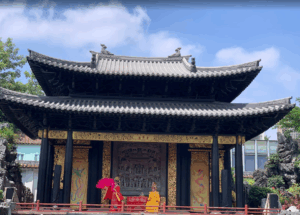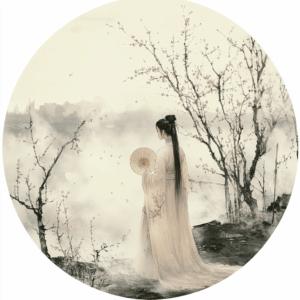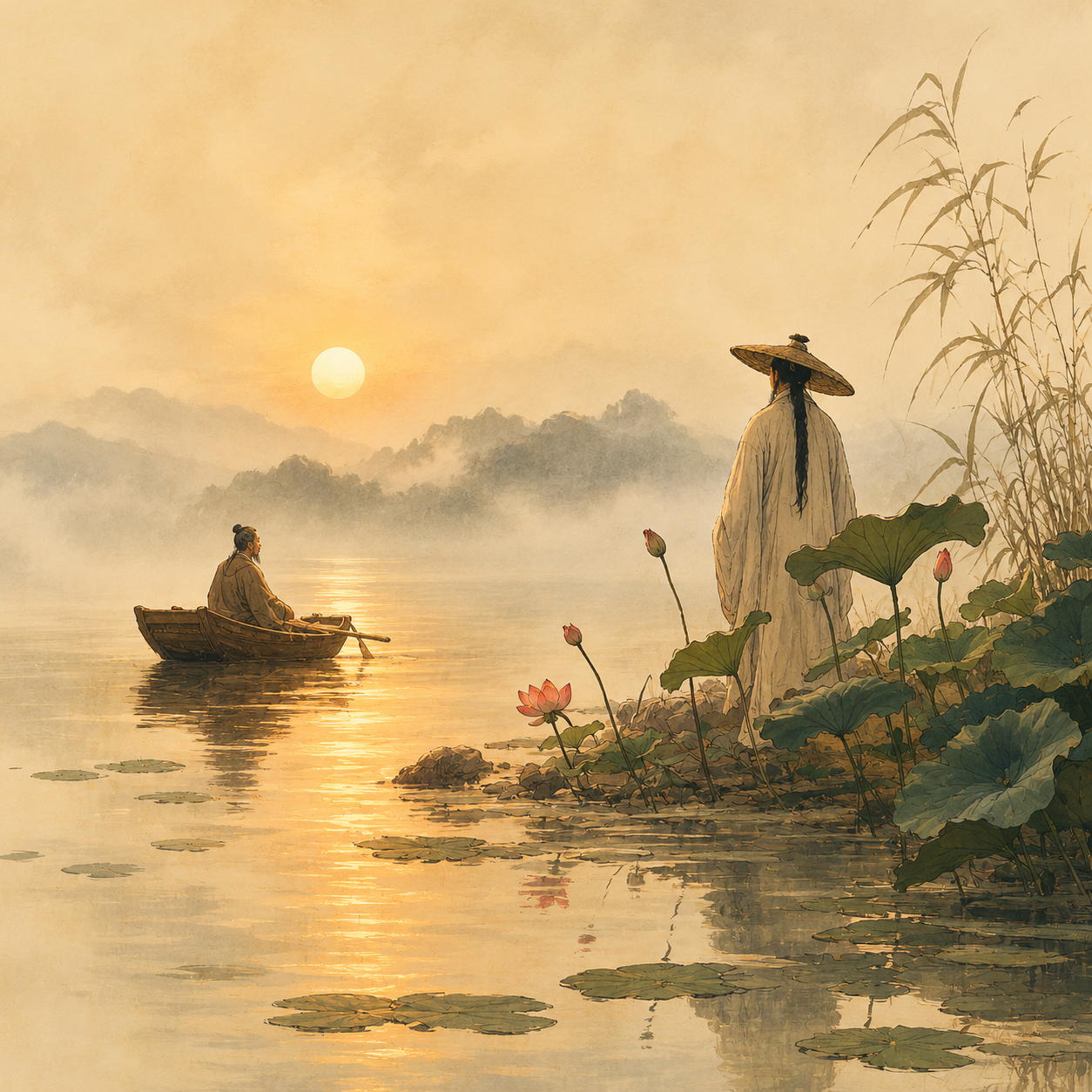
封面图说明|
江潭暮色,屈原独立泽畔,
渔父泛舟,清浊之辩随波而起,
一人守志,一人随流,各有归途。
图片:原创数字插画。
引文|当整个世界都浑浊,清醒究竟是一种力量,还是一种孤独?
「举世皆浊我独清,
众人皆醉我独醒,
是以见放。」
——清醒的代价,
往往不是被世界打败,
而是被世界请出去。
一位被放逐的诗人行走泽畔,
昔日的三闾大夫形容枯槁,
却依然不愿放下心中的信念。
一叶小舟从江面缓缓驶来,
渔父认出了这位失意的诗人。
在屈原眼中,清白不可玷污。
在渔父眼中,世事本有清浊,
真正的智慧,是懂得与世推移。
一个坚持人格的纯粹,
一个相信顺应环境的生存智慧;
两人在江潭之畔短暂相遇,
却展开了一场跨越千年的对话。
一|江潭问答:两种人生智慧的相遇
有人不愿放弃心中的清白,
有人懂得顺应世间的浊流,
两种人生智慧相遇江潭,
究竟谁更接近真正的自由?
1. 江潭泽畔:被放逐的三闾大夫
「屈原既放,游于江潭,行吟泽畔,颜色憔悴,形容枯槁。」
「颜色憔悴,形容枯槁」,
不仅描写身体的衰弱,
更呈现理想遭到否定之后,
一个人由内而外的精神创伤。
一个曾经试图改变国家的人,
如今必须面对无法改变的现实;
放逐伤的不只是身体,
是“我信的东西还有没有用”这件事。
2. 举世皆浊:屈原为什么不能随波逐流?
「举世皆浊我独清,众人皆醉我独醒,是以见放。」
面对渔父的询问,
屈原没有诉说自己的冤屈,
而是直接指出自己与世人的不同。
「新沐者必弹冠,新浴者必振衣。」
这看似平常的生活动作,
在屈原口中成为人格的象征:
既然已经明辨清浊,
又怎能主动让污秽沾染自身?
他无法接受的,
并不只是遭受排斥与放逐,
而是必须以改变自身信念,
作为重新融入世俗的代价。
「宁赴湘流,葬于江鱼之腹中。」
面对无法调和的冲突,
屈原甚至提出以生命为代价,
也不愿让世俗的尘埃,
玷污自己所珍视的清白。
3. 圣人不凝滞于物:渔父真的在劝屈原同流合污吗?
「圣人不凝滞于物,而能与世推移。」
渔父没有否认世间存在污浊,
却质疑人是否必须与之对抗。
「世人皆浊,何不淈其泥而扬其波?」
这些话乍听令人不安,
仿佛是在劝屈原放弃原则。
然而,渔父真正提出的问题,
或许比表面的劝说更加复杂:
他并不要求屈原拯救世人,
而是质疑过度执着的代价。
屈原相信人格必须保持纯粹,
渔父则强调处世需要灵活;
前者以不变的原则面对世界,
后者以变化的方式回应环境。
4. 沧浪之水:清与浊,究竟由谁决定?
「沧浪之水清兮,可以濯吾缨;
沧浪之水浊兮,可以濯吾足。」
渔父听完屈原的回答,
没有继续争论清白与污浊,
只是莞尔一笑,摇桨离去。
水清时可以洗涤帽缨,
水浊时仍然可以濯足。
重要的不是要求江水永远清澈,
而是懂得在变化中寻找出路;
但屈原的思考恰恰相反——
他不愿以环境决定人格。
「遂去,不复与言。」
作品没有安排任何胜利者,
也没有让两种思想达成和解。
江水依旧有清有浊,
人世也始终存在理想与现实;
有人选择坚守不变的原则,
有人选择顺应变化的环境。
二|当AI遇见《渔父》:一个声音,如何演绎两种人生?
古人以两种智慧面对世界,
今人以一个声音重现对话。
当技术无法实现所有期待,
坚持与变通又成为新的选择。
《渔父》原本适合双人演绎,
让屈原与渔父各有自己的声音。
然而在实际的 AI 音乐创作中,
最终选择了一个声音完成全篇。
真正困难的却不是角色转换,
而是古典汉语的发音问题。
「屈原」是作品的核心人物,
然而 AI 始终无法稳定唱准。
「沧浪之水」同样难以处理,
四个字承载着结尾的意象,
却在演唱中反复出现发音问题。
经过大约二十次生成,
仍然无法得到完全理想的版本;
当现实无法完全符合期待,
人究竟应该坚持还是变通?
这正是《渔父》在两千多年前问过的问题。
《楚辞·渔父》|AI 谱曲作品
尾声|江水依旧,谁能永远清醒?
清醒的人未必能够改变世界,
顺应的人也未必失去自我。
人生最难的或许不是选择道路,
而是承担选择之后的命运。
屈原依然站在江水之滨,
没有追随渔父远去的身影,
也没有改变自己的回答。
渔父的小舟渐渐消失在远方,
那首《沧浪之歌》随风散去。
两种人生智慧就此分开,
却没有真正否定彼此的意义;
屈原的坚持令人肃然起敬,
渔父的通达同样值得思考。
人生真正艰难的地方,
或许就在这些无法两全的选择。
《渔父》没有留下最终的裁决,
也没有告诉后人哪条道路正确;
它让两种不同的生命态度,
在短暂的相遇中彼此映照。
江水容得下屈原,
也容得下渔父;
清醒未必有解,
但清醒的人,
至少可以选择自己站在哪里。
楚人对话后记|考烈王、黄歇与令尹夫人的观后感
当清醒成为孤独,变通是否就是妥协?
《渔父》一曲渐渐结束。
考烈王问黄歇:
「春申君,屈大夫宁愿以生命守护清白,
也不愿顺应世俗的变化。
难道坚持原则就不能变通?」
黄歇望着远处的江水:
「大王,原则与变通并非敌人。
真正困难的,是如何分辨:
哪些事情可以退让,
哪些底线绝不能放弃。」
考烈王又问:
「那么,渔父所说的与世推移,
究竟是一种人生智慧,
还是为了生存而选择妥协?」
黄歇微微一笑:
「大王,懂得顺应时势的人,
未必没有自己的原则。
但若只知顺应而不辨是非,
所谓智慧也可能成为逃避。」
考烈王转头望向我:
「令尹夫人,两千多年过去,
世人究竟更需要屈大夫,
还是更需要那位渔父?」
我望着屏幕中的江水,
想起这首反复生成的作品,
也想起现实生活中的许多选择:
「大王,若人人都坚持到底,
恐怕许多事情永远做不完。
可若人人都随波逐流,
又有多少理想能够留下?」
考烈王叹了口气:
「看来治国与做人一样:
只知坚持可能寸步难行,
只知变通又可能失去方向。」
人无法决定江水的清浊,
却可以决定如何面对江水;
有时候必须坚持自己的方向,
有时候也需要调整前行的方式。
清醒不是要求世界永远清澈,
变通也不是让自己失去原则;
真正的自由,
或许就在于知道何时坚守,
何时转身。
云梦泽上,
暮色渐渐深沉。
《楚辞》里一篇篇的悲痛与无解,
读到《渔父》,
终于有一个人来回答屈原了。
他没有说服屈原,
屈原也没有说服他。
江水容下了两个人,
也容下了两种活法。
这大概就是《渔父》留给那些,
面对人生困境而难以前行的人,
一点难得的安慰:
你不必只有一种活法。
江水依旧缓缓向东流去。
说明:本篇对话为作者依据《楚辞·渔父》创作的跨越时空文学想象,并非真实历史对话。
Appendix|English Narrative Overview
When the World Is Turbid: How Should the Clear-Minded Live?
Chu Ci · Yu Fu (The Fisherman)
When Two Ways of Living Meet by the River
Evening falls over the rivers and marshes of ancient Chu. Qu Yuan, once a respected official, now wanders alone along the water’s edge. Exile has left him exhausted, but it has not weakened his convictions. He once hoped to change his country through loyalty and integrity. Now the world he wished to serve has turned against him.
A fisherman approaches in a small boat and recognizes the former official. Curious about his condition, he begins a conversation that soon moves beyond personal misfortune. Qu Yuan believes that a person must remain faithful to what is right, even when society rejects those principles. The fisherman sees another possibility: understanding the world as it changes, rather than allowing its imperfections to destroy one’s life.
Their meeting raises a question that neither man will resolve. When the world becomes difficult to live in, should we hold firmly to our principles or learn to adapt?
I. By the River | Two Ways of Facing the World
Qu Yuan has lost his place at court, but his deepest suffering comes from something more than political exclusion. The ideals that once gave his life meaning no longer seem to have a place in the society around him. When the fisherman asks why he has been banished, Qu Yuan explains that he cannot accept the corruption others have learned to tolerate.
For him, moral integrity is not something to be adjusted for convenience. Having recognized what he believes to be right, he cannot knowingly abandon it simply to regain acceptance. Even the prospect of death seems preferable to surrendering the principles by which he has lived.
The fisherman listens but offers a different understanding of wisdom. The world has never been entirely pure, and human circumstances are constantly changing. Must a person resist every imperfection, even when resistance makes life impossible? Perhaps the wiser course is to recognize changing conditions and find a way to continue.
Before departing, the fisherman sings about the waters of Canglang. Clear water can wash the ribbons of a hat; muddy water can still wash one’s feet. The river need not remain clear to be useful. Yet Qu Yuan cannot accept the idea that the world’s changing condition should determine his own character.
The fisherman smiles and rows away. Qu Yuan remains on the shore. Neither has persuaded the other, and the ancient text offers no verdict. Two different ways of living have met beside the river, only to follow separate paths.
II. Giving Yu Fu a New Voice | An AI Musical Experiment
More than two thousand years later, I returned to this encounter through music. Because Yu Fu is built around a conversation, I initially considered giving Qu Yuan and the fisherman separate voices. In the final AI composition, however, a single voice performs the entire work.
The greatest challenge was not the dialogue itself, but pronunciation. SUNO AI repeatedly struggled with the name Qu Yuan and the phrase Canglang zhi shui, despite their importance to the poem. After approximately twenty attempts, I still could not obtain a completely satisfactory recording.
The experience brought me back to the fisherman’s question. Should I continue insisting on an ideal result, or accept the limitations of the technology and move forward? The finished composition became not only an interpretation of an ancient text, but also a small encounter with the very dilemma it describes.
Epilogue | The River Offers No Verdict
The fisherman’s boat disappears into the distance, while Qu Yuan remains beside the river. One has chosen to preserve his principles regardless of the consequences; the other believes that wisdom includes the ability to respond to changing circumstances.
Yu Fu does not tell us which man is right. Qu Yuan’s integrity deserves respect, but the fisherman’s adaptability also contains wisdom. Their encounter reveals how difficult life becomes when important values cannot be reconciled.
The river has room for both men. Perhaps the freedom we seek does not lie in finding one perfect answer, but in understanding what we must preserve and what we can allow to change.
Across Civilizations
King Kaolie, Huang Xie, and Lady Lingyin | When Should We Stand Firm?
The final notes of Yu Fu faded away. Evening settled over Yunmeng Marsh, and King Kaolie turned towards Huang Xie, Lord Chunshen.
“Qu Yuan would rather die than surrender his integrity,” the king observed. “But must a person refuse every compromise in order to remain faithful to his principles?”
Huang Xie looked towards the river. “Your Majesty, principles and adaptability are not necessarily enemies. The difficulty is knowing what can be changed and what must never be surrendered.”
The king considered this answer. “Then was the fisherman wise to adapt, or was he simply avoiding the consequences of taking a stand?”
“Adaptability can be wisdom,” Huang Xie replied. “But when it becomes an excuse for ignoring right and wrong, it may also become a form of escape.”
King Kaolie turned towards me. “Lady Lingyin, after more than two thousand years, does the world need Qu Yuan or the fisherman?”
I looked at the river on my screen, remembering the many attempts it had taken to complete this composition. “Your Majesty, if everyone insisted on perfection, many things might never be accomplished. But if everyone simply followed the current, how many ideals would survive?”
The king sighed. “Then governing a country is much like living a life. Too much rigidity may leave us unable to move, while endless compromise may cause us to lose our direction.”
Beyond the screen, Yunmeng Marsh grew darker. Across the poems of Chu Ci, Qu Yuan’s sorrow and unanswered questions had returned again and again. Here, at last, someone had offered him another way of seeing the world.
The fisherman had not convinced Qu Yuan, and Qu Yuan had not convinced the fisherman. Yet the river had room for both of them.
Perhaps that is the quiet consolation Yu Fu leaves behind: you do not have to live your life in only one way.
The river continued flowing eastwards.
Historical and literary note: This dialogue is a fictional encounter across time, inspired by Chu Ci · Yu Fu and the history of ancient Chu. King Kaolie and Huang Xie, Lord Chunshen, belonged to a later historical generation than Qu Yuan. Their conversation with Lady Lingyin is a literary creation, not a historical record.
🤖 人工智能协作声明
本文的主题选择、田野调查、资料搜集、核心观点与中文原始内容,均由作者独立完成。创作过程中,作者与人工智能模型,进行持续协作,包括多轮讨论、思路推演、叙事节奏调整、部分翻译、英文 Narrative Overview 生成、语言检查、结构检测与文字润饰。
人工智能在此过程中,作为创作协作者,参与内容发展与语言表达,但不作为法律意义上的作者或著作权主体。所有 AI 协作产生的内容,均由作者依据田野资料、原始文献与中文母稿,进行选择、审校、修改与艺术化重构。文章的叙事方向、内容取舍、创作决策、最终表达与价值判断,均由作者决定并负责。
📜 本站所有原创作品均已完成区块链存证,确保原创凭证。部分重点作品另行提交国家版权登记,作为正式法律备案。原创声明与权利主张已公开。完整说明见:
👉 原创声明 & 节奏文明版权说明 | Originality & Rhythm Civilization Copyright Statement – NING HUANG
节奏文明存证记录
本篇博客文为原创作品,由黄甯与 AI 协作生成,于博客网页首发后上传至 ArDrive 区块链分布式存储平台进行版权存证:
- 博客首发时间:2026年11月17日
- 存证链接:2afb33ae-26be-40c5-bcf3-1f8f733eaf9c (arweave.net)(已于 2026年11月17日上传)
- 原创声明编号:Rhythm_Archive_17_Nov_2026/chu-ci-yu-fu-the-fisherman
- 用途声明:本文为《节奏文明观》之篇章,亦参与构建《AI×非遗文明共构档案》与《文明节奏回声计划》,用于文明节奏实地记录、区块链存证、跨域协作与版权登记用途。
© 黄甯 Ning Huang, 2026. All Rights Reserved.
本作品受版权法保护,未经作者书面许可,禁止复制、改编、转载或商用,侵权必究。
📍若未来作品用于出版、课程、NFT或国际展览等用途,本声明与区块链记录可作为创作时间及原创性的佐证。