封面图说明|
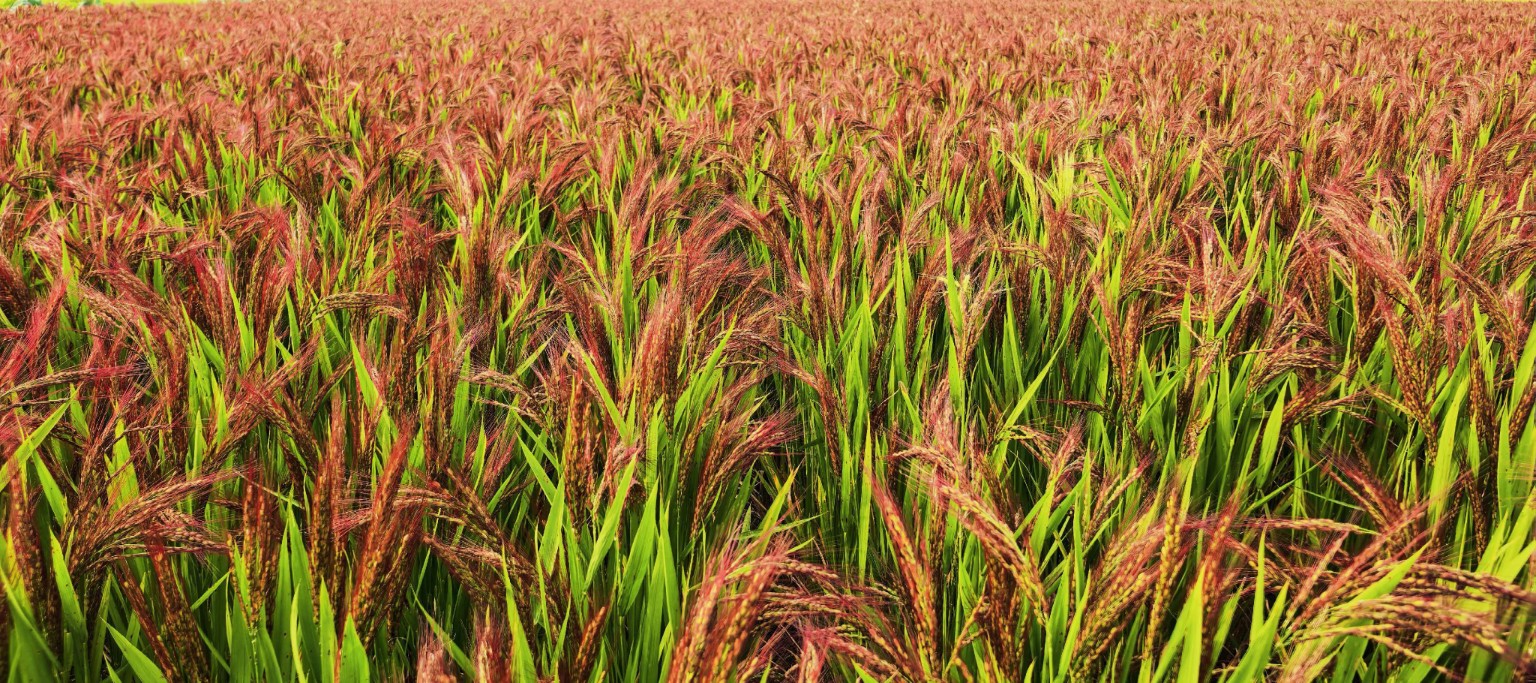
京西御稻「胭脂红」,
成熟时稻芒呈胭脂红色。
摄影:安庆龙
拍摄:北京京西稻种植区,2026年9月
全文图片由安庆龙提供并授权作者使用。
引文|一株稻,为什么让我想到一艘船?
一株稻偏离了原来的样子,
一艘船偏离了原来的航线。
真正重要的,
是我们如何读懂偏差。
9月22日,
北京好友安庆龙发来一片红稻。
我原本只是觉得漂亮,
后来却盯上了一株稻。
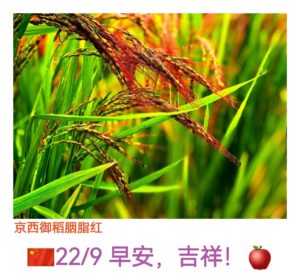
它来自一次变异。
没有被当成错误丢掉,
反而经过多年选育,
最后长成一片胭脂红。
那一刻我想到航海学。
船也一直面对偏差。
只是有些偏差要修正,
有些偏差,
却值得留下。
偏差本身不是答案,
它只是让原本隐藏的差异,
突然变得可见。
一、那一株没有长整齐的稻子
真正改变一片稻田的,
有时正是那一株不同。
安庆龙后来又发来几张照片。
有整片铺开的红色稻田,
也有贴近稻穗的特写。
红色长芒尤其醒目。

图: 红色稻田
它叫「御稻胭脂红」。
故事却不是从这一片开始,
而是从2014年,
一株偶然出现的稻子开始。
当时京西稻进行恢复改良。
在育种后代的分离群体里,
人们发现一株变异单株,
它的稻芒格外鲜亮。
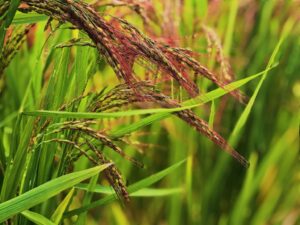
图: 红芒
在一片相似的稻子里,
它显得有些不一样。
这个不同被人看见了,
也没有立刻被去掉。
接下来发生的事很慢。
育种者留下这株稻子,
经过多代选育,
又在海南加代繁育。
直到2018年,
这个株系完全稳定。
它终于有了自己的名字:
「御稻胭脂红」。
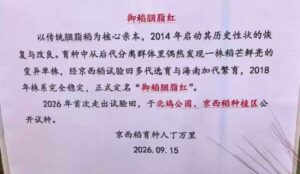
图: 说明牌
从一株变异单株,
到一个稳定的株系,
再到眼前这片红色稻田,
中间走了好几年。
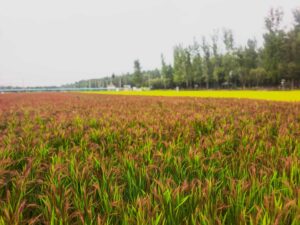
图: 红色稻田
我反复看那几张照片,
真正吸引我的,
已经不是它有多漂亮,
而是最初那个瞬间。
有人发现了不同,
却没有立刻把它去掉。
真正改变一片稻田的,
有时正是那一株不同。
如果当时只留下整齐,
后面的故事,
也许就不会发生。
二、船为什么总会离开那条线
航线是一种计划,
航迹才是实际发生。
学航海以后,
我才慢慢分清两件事。
船头朝向哪里,
船并不一定就往那里走。
海图上可以先画好航线,
航向也可以计算。
可是船一旦真正进入水里,
风、流与船本身,都会加入这场航行。
1|船头朝向那里,船却不一定去那里
风从侧面吹来,
船会被推向一边。
水流从另一个方向经过,
又可能把它带向另一边。
于是航海学里出现了
风压差角、流压差角,
以及风和流共同作用以后形成的
风流合压差角。
我第一次真正意识到,
「船头朝向哪里」
与「船实际走向哪里」,
原来是两件不同的事。
一艘船可以朝着A,
最后留下的航迹却慢慢偏向B。
这不是船突然改变了主意,
而是它始终航行在一个会动的世界里。
海不是地图上的蓝色背景。
风在推,水在流,
船也有自己的速度、吃水与受风面积。
同一阵风,对不同的船,结果甚至并不相同。
2|我以为我在这里,我真的在这里吗?
于是另一个问题来了。
如果船一直可能被推离原来的方向,
船员怎么知道,
自己究竟偏了多少?
航海学里有一个我很喜欢的区别:
航迹推算与观测定位。
推算,是根据已经知道的位置、方向和航程,
计算「我现在应该在哪里」。
观测定位却重新向外面的世界确认:
我实际上在哪里?
过去的人看陆地上的物标,
也仰头看天体。
后来有了无线电、雷达,
再后来有GPS、北斗等卫星导航系统。
工具不断改变,
那个问题却一直没有变:
我以为自己在这里,
现实中的我,
真的还在这里吗?
这也是我学航海时,
越来越着迷的一件事:
定位并不是为了证明原来的判断正确,
而是允许现实回来修正判断。
3|最短的路,不一定是最好走的路
而当船知道自己在哪里以后,
还有一个问题:
接下来,究竟怎么走?
航海学让我第一次认真认识到,
「路线」也没有唯一答案。
大圆航线追求球面上两点之间更短的距离,
却需要随着航行不断改变航向。
恒向线选择另一种逻辑,
它与各子午线保持相同夹角,
航向保持不变,
在墨卡托海图上,可以表现为一条直线。
等纬圈航线沿着同一纬度航行,
可以看作恒向线的一种特殊情况。
而混合航线更有意思。
当高纬度海域、气象或危险区域
让「最短」不再适合实际航行,
路线就可以重新组合。
有时候少走一点重要,
有时候少改变一点重要,
有时候为了安全,
绕远本身就是正确的航行。
所以海图上的线,
从来不是命令现实必须服从它。
它给船一个方向,
真正的航行却是在移动的环境里,
不断定位,
不断发现偏差,再决定如何回应。
写到这里,
我又想起那株胭脂红。
稻田里的那一次偏离,
后来被育种者留下。
航行中的偏离,
却常常需要被发现与修正。
看起来完全相反,
可它们共同提醒我的,
也许正是同一件事:
偏差首先不是答案,
而是现实送来的信息,
真正重要的,
是看见它以后,
我们怎么判断。
三、偏差不是错误
偏差不是答案,
它只是告诉我们,
事情没有完全按照原来的路线发生。
1|一个留下,一个修正
现在,那株稻与那艘船,
终于可以放在一起了。
2014年出现的那株变异稻,
偏离了原来的性状。
育种者没有立刻去掉它,
而是留下来继续观察。
经过一代又一代选育,
曾经偶然出现的「不同」,
逐渐成为可以稳定遗传的性状。
到了2018年,它有了自己的名字——
御稻胭脂红。
船却恰恰相反。
风把船推离航向,
水流又让实际航迹发生变化。
如果这样的偏差正在把船带向危险水域,
当然不能任由它继续。
船员需要重新定位,
确认实际船位,
再根据风、流与周围环境,
决定是否修正航向。
一个偏差被留下。
另一个偏差,却可能必须修正。
同样是离开原来的线,
为什么会有完全不同的结果?
2|偏差出现以后,判断才开始
于是我发现,
稻与船真正相遇的地方,
并不是一句浪漫的
「偏差是好的」。
恰恰相反。
偏差本身没有告诉我们,
它应该被留下,
还是应该被修正。
它只是让原本隐藏的差异,
突然变得可见。
一株稻出现不同,
育种者要继续观察:
这个不同有没有价值,
能不能稳定下来。
一艘船偏离航线,
船员也必须确认:
偏到了哪里,
是什么力量造成的。
然后才是下一步——
继续,
调整,
或者改变方向。
所以真正重要的,
从来不是消灭所有偏差。
而是看见它,
读懂它,
再决定如何回应。
偏差出现以后,
判断才真正开始。
3|稳定,从来不是不变
这也让我重新理解
「稳定」这两个字。
我们很容易把稳定想成一条直线。
最好不要晃动,
不要偏离,
也不要发生意外。
可是御稻胭脂红的稳定,
恰恰从一次变异开始。
经过一次次选择,
原来的「偏差」,
最后成为一个能够延续的性状。
航行中的稳定也一样,
它并不意味着船从此不受风流影响。
风还会吹,
水还会流,
船还是可能偏。
真正的稳定,
发生在一次次定位、判断与修正之中。
从这个意义上说,
稳定从来不是不变。
这也正是我在「节奏文明观」里,
越来越想继续追问的地方:
稳定不是没有偏差,
而是能够识别偏差,
判断它,回应它,
再形成新的稳定。
一株稻如此,
一艘船也是如此。
一个偏差被留下,
另一个偏差被修正。
而真正决定它们后来走向的,
从来不是「偏差」本身,
而是人如何读懂它。
尾之声|那条线,从来没有消失
风会改变方向,
水会改变航迹,
一株稻也可能长出意外的模样。
真正的稳定从来不是静止,
而是在变化之中继续向前。
再回到北京的那片稻田,
胭脂红的稻芒还在风里轻轻晃动,
那株偶然出现的变异单株,
如今已经长成了一片。
它没有回到原来的样子,
也没有被拉回原来的队伍,
那一次偶然出现的偏差,
最后成为了自己的名字。
水上的船也还在往前,
风会吹来,水流也不会停,
船身可能一次次离开原来的航线,
又一次次重新找到自己的位置。
田里的稻穗在风里动,
水上的船继续向前,
它们都没有静止,
却都在变化之中寻找自己的稳定。
那条线,从来没有消失,
只是世界不会永远沿着它运行,
有时候我们留下偏差,
有时候我们修正方向。
而真正重要的,
也许不是从来没有偏离,
而是在偏离发生以后,
仍然知道自己要往哪里去。
后记|考烈王、黄歇与令尹夫人的观后感
那一株偏掉的稻子,到底该不该拉回来
考烈王站在田埂上,
看着眼前一片胭脂红,
风吹过来,稻芒一起晃动,
忽然问了一句:
“既然当初只有一株不同,
为什么没有把它拔掉?”
黄歇看着稻田:
“因为不同不等于不好,
先留下来看看,
才知道它究竟是什么。”
考烈王想了想,对我说:
“可你前面又写,
船偏离了航线,
船员得赶紧修正,
这不是自相矛盾吗?”
我站在旁边:
“所以我写到最后,
才发现真正有意思的,
根本不是偏差好不好,
而是谁来判断它。”
考烈王立刻转头:
“那可麻烦了,
一株稻偏了可以等几年,
一艘船偏了,
前面若是礁石怎么办?”
黄歇笑了:
“所以判断不能离开环境,
稻田有稻田的时间,
航海有航海的边界,
同一个‘偏’,意义并不相同。”
考烈王问:
“那条线还有什么用?
既然现实总会偏,
干脆不要画线,
让它自己走不就好了?”
黄歇摇头:
“没有那条线,
你甚至不知道自己偏了,
正因为先有方向,
偏差才会变得可见。”
这句话很像我学航海以后,
越来越常遇见的一件事:
现实从来不会乖乖贴着计划走。
考烈王看了我一眼:
“这不是你最擅长的吗?
原来只想看一株稻,
最后居然开船去了,
还一路开进航海学。”
我忍不住笑:
“这次真的不是故意的,
我只是看见那株变异稻,
脑子里突然冒出‘偏航’两个字。”
黄歇淡淡地说:
“这倒也很像你,
别人看见一片稻田,
你先盯上一株不一样的,
然后顺着偏差一路追下去。”
考烈王笑了:
“所以真正偏航的,
到底是那株胭脂红,
水上的那艘船,
还是令尹夫人?”
我看着他们两个:
“我有目的港。”
黄歇笑了:
“那就不算迷航。”
风又吹过稻田,
胭脂红的稻芒一起伏下,
远处的船也还在自己的水路上,
继续向前。
有方向,才看得见偏差。
看得见偏差,才开始判断。
有时留下它,有时修正它。
而真正的稳定,就在一次次判断之后重新形成。
偏航不是迷航。
偏航只是离开原来的线。
迷航,
是不知道自己要往哪里去。
Appendix|English Narrative Overview
The Rice Plant That Drifted Off Course: From Jingxi Yudao Yanzhihong Rice to Navigation — How a Rice Plant and a Ship Respond to Deviation
The Rice Plant That Did Not Grow Like the Others
On September 22, my friend An Qinglong in Beijing sent me photographs of a field of red rice.
At first, I simply thought it was beautiful.
Then one particular story caught my attention.
The rice was called Yudao Yanzhihong—“Imperial Rice Rouge Red.”
Its story began with a deviation.
In 2014, during a breeding programme using traditional rouge rice as a core parent, breeders discovered an unusual individual plant among a segregating population.
Its awns were strikingly bright.
Instead of removing the plant because it differed from the others, they kept it.
What followed took years.
The plant was selected over successive generations, with additional generations cultivated in Hainan.
By 2018, the line had become stable and was officially named Yudao Yanzhihong.
In 2026, it moved beyond the experimental field and was publicly planted on a trial basis in Beijing.
What fascinated me was not simply the colour of the rice.
It was the small decision made at the beginning.
Someone noticed something different.
And instead of immediately eliminating the difference, someone decided to observe it.
Why a Ship Never Simply Follows the Line
The story unexpectedly reminded me of what I had been learning in navigation.
A route can be drawn on a nautical chart.
A course can be calculated in advance.
But the ship itself moves through a world that is moving too.
Wind pushes against the vessel.
Current moves beneath it.
The direction in which the bow points and the track the ship actually makes over the water or ground are therefore not necessarily the same.
This distinction changed the way I understood navigation.
A planned route is an intention.
A track is what actually happens.
That is why navigation requires repeated positioning.
Dead reckoning tells the navigator where the vessel should be according to known position, direction and distance travelled.
Observed positioning asks another question: where am I actually now?
Over time, humans have answered that question through landmarks, celestial observations, radar and satellite navigation.
The technologies changed.
The fundamental question remained.
I think I am here.
But am I really here?
The Shortest Route Is Not Always the Route to Take
Navigation also taught me that there is no single logic for choosing a route.
A great-circle route can reduce distance across the curved surface of the Earth.
A rhumb line follows a constant course.
A parallel route follows a line of latitude.
A composite route combines different principles when practical conditions make a theoretically shorter route undesirable.
Weather, high latitudes, geographical constraints or navigational risks can change what makes sense.
Sometimes distance matters most.
Sometimes maintaining a manageable course matters more.
Sometimes the sensible decision is to go around.
A longer route is not necessarily a wrong route.
This was where the rice plant and the ship began to meet in my mind.
One Deviation Is Kept, Another Is Corrected
The unusual rice plant deviated from what had been expected.
Its difference was preserved, observed and selected.
Eventually, that deviation became a stable line.
A ship that deviates from its intended track may require the opposite response.
If wind or current is carrying it toward danger, the deviation cannot simply be admired.
The navigator must identify it, understand its cause and decide how to respond.
So deviation itself is neither good nor bad.
It does not tell us whether it should be preserved or corrected.
It tells us that reality is no longer developing exactly along the expected line.
Only then does judgement begin.
The breeder asks whether the difference has value and whether it can become stable.
The navigator asks where the vessel has moved, what caused the displacement and what must happen next.
The same word—deviation—can therefore lead to completely different actions.
Stability Does Not Mean Remaining Unchanged
This brought me back to a question that has appeared repeatedly in my work on the idea of “Rhythmic Civilization.”
We often imagine stability as a straight line.
Nothing should move too far away from it.
Nothing unexpected should happen.
But Yudao Yanzhihong reached stability through variation and repeated selection.
The ship maintains navigational stability not because wind and current disappear, but because its position can be observed, judged and corrected again and again.
Stability, in this sense, is not the absence of deviation.
It is the capacity to recognise deviation, interpret it, respond to it and establish stability again.
The rice field moves in the wind.
The ship continues across the water.
Neither remains still.
And yet both, in very different ways, continue to find stability within change.
Across Civilizations
King Kaolie stood at the edge of the rice field.
The rouge-red awns moved together in the wind.
“If there was originally only one different plant,” he asked, “why did they not simply pull it out?”
Lord Chunshen Huang Xie looked across the field.
“Because being different does not necessarily mean being wrong,” he replied.
“You have to leave something long enough to discover what the difference means.”
The king thought for a moment.
“But your ship does exactly the opposite.
When it deviates from its route, the navigator corrects it.
Is that not a contradiction?”
I stood beside them.
“That was exactly what interested me.
The question is not whether deviation is good or bad.
The question begins with how we judge it.”
The king turned immediately.
“That sounds dangerous.
A rice plant can wait for several years.
But what if the ship is drifting toward rocks?”
Huang Xie smiled.
“That is why judgement cannot be separated from circumstances.
A rice field has its own timescale.
Navigation has its own boundaries.”
The king looked back at the rice.
“Then what is the point of having a line at all?
If reality keeps departing from it, why not simply let everything go wherever it wants?”
Huang Xie shook his head.
“Without the line, you would not even know that a deviation had occurred.
Direction makes deviation visible.”
The king glanced at me.
“That sounds rather like you.
You began with one rice plant, and somehow it ended up sailing into navigation.”
I laughed.
“That really was not planned.
I saw the mutant plant, and the word deviation suddenly made me think of a ship drifting off course.”
Huang Xie smiled.
“That also sounds like you.
Other people see a field of rice.
You notice the one plant that did not grow like the others, and then follow the deviation to see where it leads.”
The king laughed.
“So which one has actually drifted off course?
The rouge-red rice plant?
The ship?
Or the Lady Lingyin?”
I looked at both of them.
“I have a destination.”
Huang Xie smiled.
“Then you are not lost.”
The wind moved across the rice field once more.
Somewhere else, a ship continued along its route.
One deviation had been preserved.
Another might need to be corrected.
Direction makes deviation visible.
Deviation makes judgement necessary.
Sometimes we preserve it; sometimes we correct it.
And stability is formed again through the decisions that follow.
To drift off course is not to be lost.
It simply means leaving the line you originally intended to follow.
To be lost is something else:
it is no longer knowing where you are trying to go.
🤖 人工智能协作声明
本文的主题选择、田野调查、资料搜集、核心观点与中文原始内容,均由作者独立完成。创作过程中,作者与人工智能模型,进行持续协作,包括多轮讨论、思路推演、节奏输出、部分翻译、英文 Narrative Overview 生成、语言检查、结构检测与文字润饰。
人工智能在此过程中,作为创作协作者,参与内容发展与语言表达,但不作为法律意义上的作者或著作权主体。所有 AI 协作产生的内容,均由作者依据田野资料、原始文献与中文母稿,进行选择、审校、修改与艺术化重构。文章的叙事方向、内容取舍、创作决策、最终表达与价值判断,均由作者决定并负责。
📜 本站所有原创作品均已完成区块链存证,确保原创凭证。部分重点作品另行提交国家版权登记,作为正式法律备案。原创声明与权利主张已公开。完整说明见:
👉 原创声明 & 节奏文明版权说明 | Originality & Rhythm Civilization Copyright Statement – NING HUANG
节奏文明存证记录
本篇博客文为原创作品,由黄甯与 AI 协作生成,于博客网页首发后上传至 ArDrive 区块链分布式存储平台进行版权存证:
- 博客首发时间:2026年09月27日
- 存证链接:eb9b984d-6c2b-4a38-bcaa-5af57a4456qw
- 存证平台:ArDrive(arweave.net)(已于 2026年09月27日上传)
- 原创声明编号:Rhythm_Archive_27_Sep_2026/the-rice-plant-that-drifted-off-course
- 用途声明:本文为《节奏文明观》之〈流动文明 〉与〈节奏文明地景书写 〉篇章,亦参与构建《AI×非遗文明共构档案》与《文明节奏回声计划》,用于文明节奏实地记录、区块链存证、跨域协作与版权登记用途。
© 黄甯 Ning Huang, 2026. All Rights Reserved.
本作品受版权法保护,未经作者书面许可,禁止复制、改编、转载或商用,侵权必究。
📍若未来作品用于出版、课程、NFT或国际展览等用途,本声明与区块链记录将作为原创凭证,拥有法律效力。