从博物馆、
历史遗址、
特展到田野调查,
我透过展览、
文物、
建筑与馆藏,
探索博物馆如何保存历史、
传承知识,
并呈现不同时代的文明发展。
这里讨论的不只是博物馆,
也是历史、
文化、
记忆,
以及文明如何被收藏、
研究与传递的故事。
Through museums,
historical sites,
special exhibitions
and field research,
I explore how museum preserves history,
passes on knowledge,
and presents the development of civilizations through exhibitions,
collections,
architecture and cultural heritage.
This is not only a story about museums,
but also about history,
culture,
memory,
and the ways civilizations are preserved,
studied
and passed on to future generations.
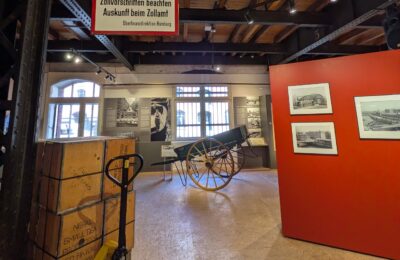
仓库博物馆(Speicherstadtmuseum) 室内照,作者摄于2026年8月31日汉堡田野。
从一袋漂洋过海抵达汉堡的咖啡豆出发,走进仓库城博物馆,追踪货物从远洋船、驳船到仓库的旅程。从仓储管理人的称重、取样与分类,到自由港、水道、海关边界与城市拆迁,看不断扩大的全球贸易如何重新组织汉堡的空间,也认识博物馆创始人 Henning Rademacher 如何保存这段历史。最后,让汉堡与两千多年前依江河、舟楫与商贸发展的楚文明,展开一场跨越时空的对话。
Follow a sack of coffee as it travels across the ocean into Hamburg’s Speicherstadtmuseum, from ships and harbour barges to warehouses, weighing, sampling and storage. The journey reveals how expanding global trade created new waterways, customs boundaries and the free port, while reshaping inhabited parts of Hamburg itself. It also leads to museum founder Henning Rademacher and the preservation of this history, before bringing Hamburg into a cross-civilizational dialogue with the river, trade and transport world of ancient Chu.
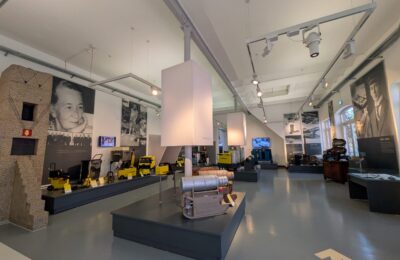
Kärcher Museum in Winnenden, Germany. Photo: Ning Huang, 2026.
从飞机发动机预热到热水高压清洗,再到文化遗产保护,走进德国 Kärcher 博物馆,追踪热、空气、蒸汽、水与压力五种底层能力如何在九十年间不断迁移、拆分与重新组合。From aircraft engine preheating to hot-water high-pressure cleaning and cultural heritage conservation, this museum journey explores how Kärcher has recombined heat, air, steam, water and pressure across nearly ninety years of technological change.
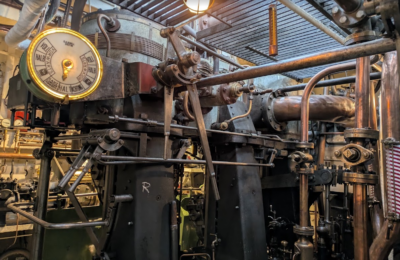
图:SCHAARHÖRN 的蒸汽机舱,作者摄于2026年8月30日汉堡田野。
一艘1908年的蒸汽船如何重新醒来?从锅炉点火、蒸汽压力到停炉与Ruhefeuer,走进SCHAARHÖRN的机舱,看船员如何让百年机器继续航行。
How do you wake a steamship from 1908? Inside SCHAARHÖRN’s engine room, discover how fire, water, steam and human knowledge keep a historic vessel alive.
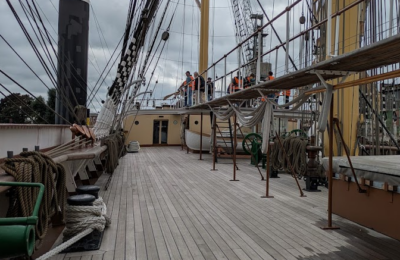
北京号甲板,作者摄于2026年8月30日汉堡田野。
第一次登上汉堡历史帆船 PEKING,我从桅杆、索具、舱壁、压载与舵轮开始,慢慢看见一艘船内部的关系,也从智利硝石、船员生活与现代风力航运,看见一艘船如何连接人与世界。
My first time aboard PEKING in Hamburg changed how I saw a ship—from rigging, ballast and navigation to Chilean saltpeter, life at sea and the return of wind to modern shipping.
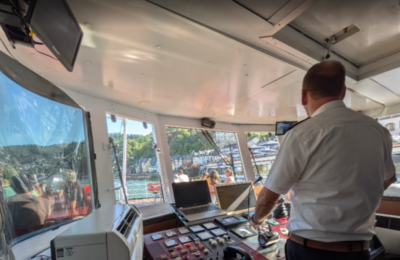
从摩泽尔河 MOSELPRINZ 驾驶室里船长的一句话出发,思考人与机器如何在长期工作、身体经验与记忆中彼此靠近。从船到汽车,再回到历史船写作,人与机器之间从来不只有“使用”这一种关系。
Beginning with a captain’s words aboard MOSELPRINZ on the Moselle, this article explores how humans and machines grow closer through work, bodily experience and memory. From ships to automobiles and historic vessels, the relationship between people and machines is more than simple use.
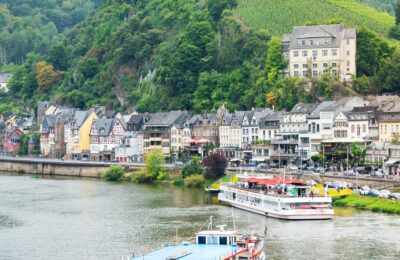
MOSELPRINZ,图片 © KD Deutsche Rheinschiffahrt。
从Cochem登上KD的MS Moselprinz,两次走过同一段摩泽尔河。从甲板上的城堡与葡萄园,到驾驶室里的航道与船长,记录一艘1980年建造的内河客船,以及一位拥有约25年经验的船长如何理解重复、航行与责任。
Two journeys on the same stretch of the Moselle from Cochem: first from the deck of MS Moselprinz, then from the wheelhouse. A story of KD, a working passenger ship built in 1980, and a captain with around 25 years of experience navigating the river.
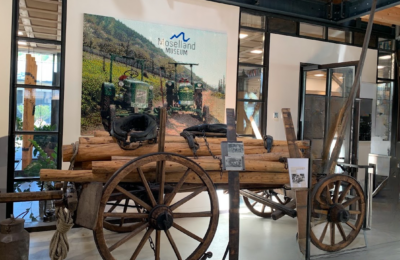
走进恩斯特·摩泽尔乡土博物馆,从柳条绑藤、陡坡运输与双篮压榨,到发酵、装瓶、村庄工坊与家庭生活,理解一杯摩泽尔酒如何由整座村庄共同完成。
Explore the Moselland Museum in Ernst and follow Moselle wine from vineyard work and cellar fermentation to bottling, village crafts and family life.
西德为货币体系失效准备了第二套纸币,并将约150亿马克的BBk II秘密储存在科赫姆地堡。本文走进两座伪装住宅下的金库,追踪替代货币的设计、保管、销毁与公开过程,观察一个国家如何为信用危机准备另一套交换秩序。
West Germany secretly stored around 15 billion Deutsche Mark in BBk II replacement banknotes beneath two houses in Cochem. This article traces their design, storage, destruction and transformation into public memory, revealing how a state prepared an alternative monetary order for a crisis of confidence.
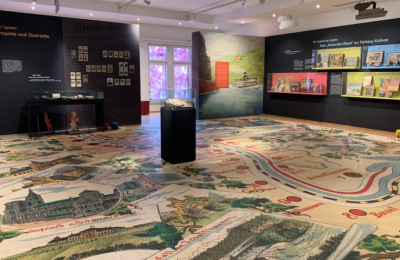
从莱茵河全景图、Leporello到百年桌游与Rheinspiel 2050,宾根莱茵河博物馆展示一条真实河流如何进入旅行、国家记忆与游戏,并被每个时代重新想象。
From Rhine panoramas and Leporellos to historic board games and Rheinspiel 2050, Museum am Strom reveals how generations transformed the Rhine into travel, memory and play.
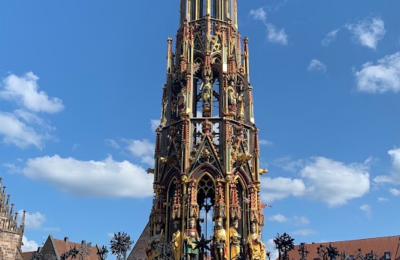
为什么欧洲城市广场几乎都有一座喷泉?本文以纽伦堡日耳曼国家博物馆馆藏为线索,从美泉、修道院水槽、墙泉、陶制水管等文物出发,探讨欧洲公共供水的发展,以及修道院如何保存中世纪水利技术,并与中国古井文化进行比较,重新理解喷泉、城市与共同生活之间的关系。
Why do European cities always have fountains? Discover how Nuremberg's Germanisches Nationalmuseum reveals the history of public water culture, medieval monasteries, and urban life through fountains, wells, and water systems.