从博物馆、
历史遗址、
特展到田野调查,

我透过展览、
文物、
建筑与馆藏,

探索博物馆如何保存历史、
传承知识,
并呈现不同时代的文明发展。

这里讨论的不只是博物馆,

也是历史、
文化、
记忆,
以及文明如何被收藏、
研究与传递的故事。

Through museums,
historical sites,
special exhibitions
and field research,

I explore how museum preserves history,
passes on knowledge,
and presents the development of civilizations through exhibitions,
collections,
architecture and cultural heritage.

This is not only a story about museums,

but also about history,
culture,
memory,
and the ways civilizations are preserved,
studied
and passed on to future generations.

《当人成为船的一部分:人与机器之间的关系》|When a Person Becomes Part of the Ship: The Relationship Between Humans and Machines

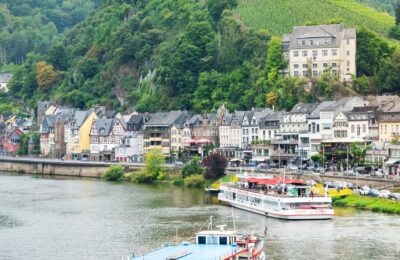
从摩泽尔河 MOSELPRINZ 驾驶室里船长的一句话出发,思考人与机器如何在长期工作、身体经验与记忆中彼此靠近。从船到汽车,再回到历史船写作,人与机器之间从来不只有“使用”这一种关系。 Beginning with a captain’s words aboard MOSELPRINZ on the Moselle, this article explores how humans and machines grow closer through work, bodily experience and memory. From ships to automobiles and historic vessels, the relationship between people and machines is more than simple use.
Weiterlesen《当人成为船的一部分:人与机器之间的关系》|When a Person Becomes Part of the Ship: The Relationship Between Humans and Machines
《“我是船的一部分”:一天六次穿过同一条河|在 MOSELPRINZ 驾驶室里看摩泽尔河与 KD 德意志莱茵航运》|“I Am Part of the Ship”: Crossing the Same River Six Times a Day | The Moselle from the Wheelhouse of MOSELPRINZ and the Story of KD
MOSELPRINZ,图片 © KD Deutsche Rheinschiffahrt。

《“我是船的一部分”:一天六次穿过同一条河|在 MOSELPRINZ 驾驶室里看摩泽尔河与 KD 德意志莱茵航运》|“I Am Part of the Ship”: Crossing the Same River Six Times a Day | The Moselle from the Wheelhouse of MOSELPRINZ and the Story of KD

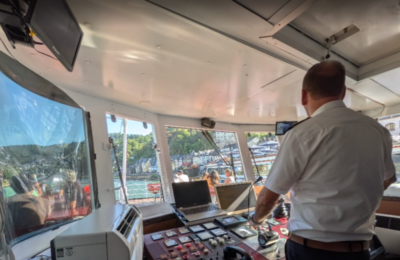
从Cochem登上KD的MS Moselprinz,两次走过同一段摩泽尔河。从甲板上的城堡与葡萄园,到驾驶室里的航道与船长,记录一艘1980年建造的内河客船,以及一位拥有约25年经验的船长如何理解重复、航行与责任。 Two journeys on the same stretch of the Moselle from Cochem: first from the deck of MS Moselprinz, then from the wheelhouse. A story of KD, a working passenger ship built in 1980, and a captain with around 25 years of experience navigating the river.

Weiterlesen《“我是船的一部分”:一天六次穿过同一条河|在 MOSELPRINZ 驾驶室里看摩泽尔河与 KD 德意志莱茵航运》|“I Am Part of the Ship”: Crossing the Same River Six Times a Day | The Moselle from the Wheelhouse of MOSELPRINZ and the Story of KD

《从葡萄藤到酒杯|恩斯特·摩泽尔乡土博物馆》|From Vine to Glass | Moselland Museum, Ernst

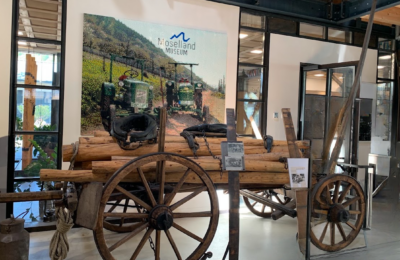
走进恩斯特·摩泽尔乡土博物馆,从柳条绑藤、陡坡运输与双篮压榨,到发酵、装瓶、村庄工坊与家庭生活,理解一杯摩泽尔酒如何由整座村庄共同完成。 Explore the Moselland Museum in Ernst and follow Moselle wine from vineyard work and cellar fermentation to bottling, village crafts and family life.

Weiterlesen《从葡萄藤到酒杯|恩斯特·摩泽尔乡土博物馆》|From Vine to Glass | Moselland Museum, Ernst

《西德为货币失效准备的第二套货币:地下150亿马克,等待成为真正的钱|科赫姆·联邦银行地堡》|West Germany’s Second Currency for a Monetary Emergency: 15 Billion Marks Waiting to Become Real Money | Bundesbank Bunker Cochem

西德为货币体系失效准备了第二套纸币,并将约150亿马克的BBk II秘密储存在科赫姆地堡。本文走进两座伪装住宅下的金库,追踪替代货币的设计、保管、销毁与公开过程,观察一个国家如何为信用危机准备另一套交换秩序。 West Germany secretly stored around 15 billion Deutsche Mark in BBk II replacement banknotes beneath two houses in Cochem. This article traces their design, storage, destruction and transformation into public memory, revealing how a state prepared an alternative monetary order for a crisis of confidence.

Weiterlesen《西德为货币失效准备的第二套货币:地下150亿马克,等待成为真正的钱|科赫姆·联邦银行地堡》|West Germany’s Second Currency for a Monetary Emergency: 15 Billion Marks Waiting to Become Real Money | Bundesbank Bunker Cochem

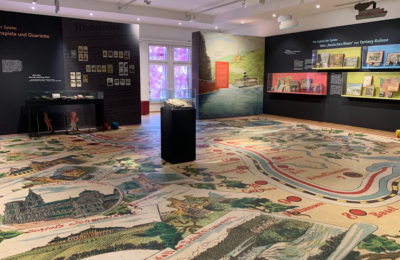
《当一条河进入游戏:德国人如何想象莱茵河|宾根・莱茵河博物馆》|When a River Becomes a Game: How Germans Imagined the Rhine | Museum am Strom, Bingen

从莱茵河全景图、Leporello到百年桌游与Rheinspiel 2050,宾根莱茵河博物馆展示一条真实河流如何进入旅行、国家记忆与游戏,并被每个时代重新想象。 From Rhine panoramas and Leporellos to historic board games and Rheinspiel 2050, Museum am Strom reveals how generations transformed the Rhine into travel, memory and play.

Weiterlesen《当一条河进入游戏:德国人如何想象莱茵河|宾根・莱茵河博物馆》|When a River Becomes a Game: How Germans Imagined the Rhine | Museum am Strom, Bingen

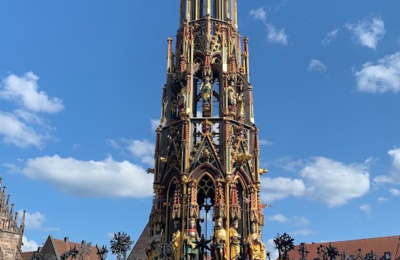
《为什么欧洲城市到处都是喷泉?——从纽伦堡看德国公共水文化|纽伦堡・日耳曼国家博物馆》之五|Why Are There Fountains Everywhere in European Cities?Public Water Culture in Nuremberg | Germanisches Nationalmuseum (V)

为什么欧洲城市广场几乎都有一座喷泉?本文以纽伦堡日耳曼国家博物馆馆藏为线索,从美泉、修道院水槽、墙泉、陶制水管等文物出发,探讨欧洲公共供水的发展,以及修道院如何保存中世纪水利技术,并与中国古井文化进行比较,重新理解喷泉、城市与共同生活之间的关系。 Why do European cities always have fountains? Discover how Nuremberg's Germanisches Nationalmuseum reveals the history of public water culture, medieval monasteries, and urban life through fountains, wells, and water systems.

Weiterlesen《为什么欧洲城市到处都是喷泉?——从纽伦堡看德国公共水文化|纽伦堡・日耳曼国家博物馆》之五|Why Are There Fountains Everywhere in European Cities?Public Water Culture in Nuremberg | Germanisches Nationalmuseum (V)

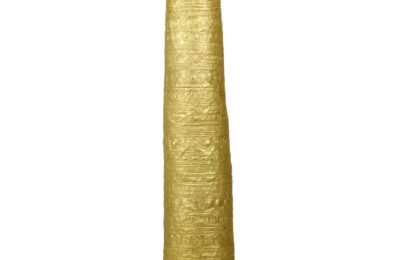
《从一顶黄金帽,看懂黄金最初为何属于神|纽伦堡・日耳曼国家博物馆》之四|Understanding Why Gold Was First Sacred, Not Wealth | The Bronze Age Gold Hat | Germanisches Nationalmuseum, Nuremberg (IV)

德国纽伦堡日耳曼国家博物馆收藏的青铜时代黄金帽,不仅展现欧洲三千年前精湛的金工技术,也引发一个跨文明的问题:为什么欧洲、三星堆与楚国都选择黄金作为神圣、祭祀与权力的象征?本文从黄金帽出发,探讨黄金如何从一种材料,成为人类文明表达神圣的重要媒介。 Discover the Bronze Age Gold Hat at the Germanisches Nationalmuseum in Nuremberg and explore why gold first became a symbol of the sacred rather than wealth. Comparing Bronze Age Europe, Sanxingdui, and the Chu State, this article examines how gold expressed ritual, authority, and religious belief across different civilizations.

Weiterlesen《从一顶黄金帽,看懂黄金最初为何属于神|纽伦堡・日耳曼国家博物馆》之四|Understanding Why Gold Was First Sacred, Not Wealth | The Bronze Age Gold Hat | Germanisches Nationalmuseum, Nuremberg (IV)

《被画出来的世界:贝海姆地球仪|纽伦堡・日耳曼国家博物馆》之三|The World as It Was Drawn: The Behaim Globe | Germanisches Nationalmuseum, Nuremberg (III)

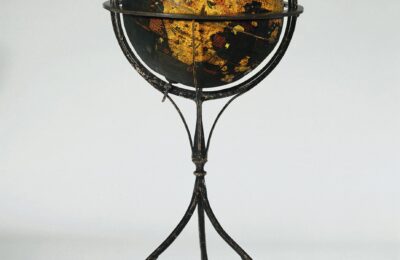
1492年完成的贝海姆地球仪,是现存最古老的地球仪之一,也记录了欧洲如何逐步想像世界。本文从贝海姆地球仪出发,探讨哥伦布时代的世界观、马可·波罗、神话与地图、葡萄牙航海、全球贸易,以及地图如何推动世界连接,并与楚国依江河建立的交通体系进行比较,思考不同文明如何理解远方、连接世界。 Completed in 1492, the Behaim Globe is the world's oldest surviving terrestrial globe and a remarkable record of how Europeans imagined the world before the discovery of the Americas. This article explores the Behaim Globe, Marco Polo's influence, myth and cartography, Portuguese exploration, global trade, and the emergence of an interconnected world, while comparing Europe's maritime worldview with the river-based transportation system of the ancient Chu civilization to examine how different civilizations understood and connected distant places.

Weiterlesen《被画出来的世界:贝海姆地球仪|纽伦堡・日耳曼国家博物馆》之三|The World as It Was Drawn: The Behaim Globe | Germanisches Nationalmuseum, Nuremberg (III)

《文明如何开始测量世界|纽伦堡・日耳曼国家博物馆》之二|How Civilizations Began Measuring the World | Germanisches Nationalmuseum, Nurembergng German Heraldry Through Nuremberg’s Family Memorial Shields | Germanisches Nationalmuseum, Nuremberg (II)

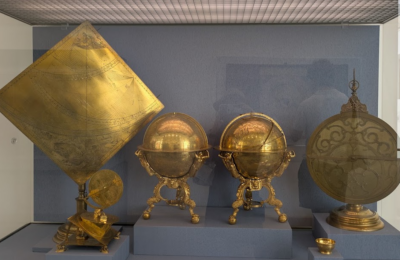
走进纽伦堡日耳曼国家博物馆科学仪器展厅,从太阳象限仪、天球仪、日晷、地球仪到望远镜,探索欧洲如何逐步建立现代科学。并结合楚帛书、武王墩木尺、九店楚简、清华简《算表》与鄂君启金节,比较欧洲与楚文明两条不同的测量世界之路。 Explore scientific instruments at the Germanisches Nationalmuseum in Nuremberg and compare European measurement traditions with the astronomical, mathematical and administrative knowledge of the ancient Chu civilization.

Weiterlesen《文明如何开始测量世界|纽伦堡・日耳曼国家博物馆》之二|How Civilizations Began Measuring the World | Germanisches Nationalmuseum, Nurembergng German Heraldry Through Nuremberg’s Family Memorial Shields | Germanisches Nationalmuseum, Nuremberg (II)

《从纽伦堡的家族荣誉盾牌,看懂德国家徽文化|纽伦堡・日耳曼国家博物馆》之一 |Understanding German Heraldry Through Nuremberg’s Family Memorial Shields | Germanisches Nationalmuseum, Nuremberg (I)

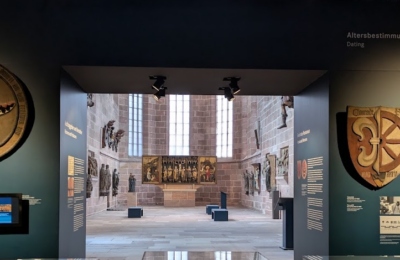
从纽伦堡中世纪家族荣誉盾牌出发,理解德国家徽文化、教堂中的家族记忆、社会荣誉与身份制度。文章介绍 Totenschild 的功能、完整纹章、委托制作、木材与皮革、银箔与颜料、树轮年代学、放射性碳定年及历代修复,并结合我在广西与湖北江夏寻根、阅读黄氏族谱和参访宗祠的经历,比较德国教堂家徽与中国姓氏、郡望、堂号、族谱、祠堂、牌位及匾额如何保存祖先与家族记忆。 Through Nuremberg’s late medieval family memorial shields, this article explores German heraldry, church-based family memory, social honour, craftsmanship, scientific dating, and conservation. It explains the function and construction of Totenschilde, including coats of arms, helmets, leather, silver leaf, pigments, dendrochronology, radiocarbon dating, and later restorations. The article also compares German memorial shields and church heraldry with Chinese surnames, ancestral halls, genealogies, clan names, ancestral tablets, portraits, and commemorative plaques, drawing on my own journey to trace the Huang family lineage in Guangxi and Jiangxia.

Weiterlesen《从纽伦堡的家族荣誉盾牌,看懂德国家徽文化|纽伦堡・日耳曼国家博物馆》之一 |Understanding German Heraldry Through Nuremberg’s Family Memorial Shields | Germanisches Nationalmuseum, Nuremberg (I)