从河流、
湖泊、
大学、
工坊到世界品牌,
我关注知识、
技术、
产业与自然环境如何彼此连接,
共同塑造巴登-符腾堡的发展。
这里讨论的不只是企业,
也是教育、
创新、
地方知识、
长期积累与文明延续的故事。
From rivers,
lakes,
universities,
workshops and global brands,
I explore how knowledge,
technology,
industry and the natural environment are interconnected,
together shaping the development of Baden-Württemberg.
This is not only a story of companies,
but also of education,
innovation,
local knowledge,
long-term accumulation,
and the continuity of civilization.
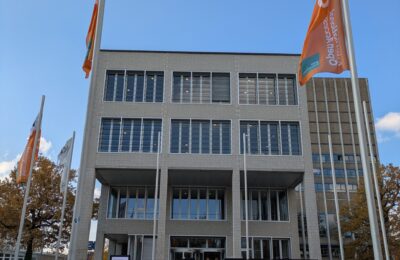
卡尔斯鲁厄理工学院图书馆门口,作者摄于2026年11月02日。
从1825年蒸汽时代到人工智能,走进德国KIT卡尔斯鲁厄理工学院两百年历史,探索奔驰汽车、赫兹电磁波、数字通信、工程教育与跨文化交流。
Explore 200 years of KIT history, from steam engines and Carl Benz to Hertz, digital communication, artificial intelligence and intercultural education.
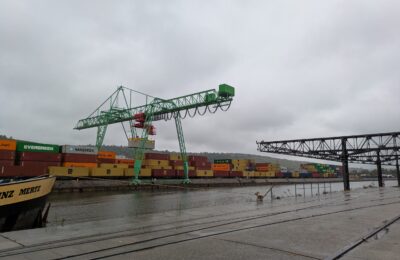
斯图加特港,作者摄于2026年10月17日。
斯图加特港不像传统港口,更像一座工业与物流平台。本文从土地出租、企业网络、循环经济、氢能与船闸基础设施,观察一个现代内河港如何连接区域经济、城市财政与全球物流。
Hafen Stuttgart functions less like a traditional port and more like an industrial and logistics platform. This field-based essay explores land leasing, logistics networks, recycling, hydrogen and ageing lock infrastructure to show how an inland port connects regional industry, urban finance and global transport.
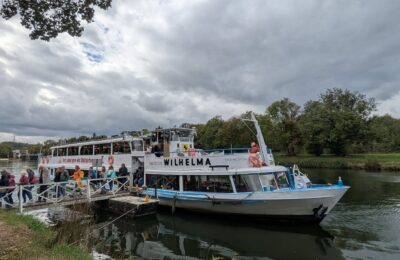
MS WILHELMA,作者摄于 Marbach am Neckar 码头。
搭乘1962年建造的 WILHELMA,从斯图加特沿内卡河航向 Marbach。六小时穿越四座船闸,从水上看见葡萄园、聚落、工业与航运工程,重新理解一条真正工作的河。A six-hour journey aboard the 1962-built WILHELMA from Stuttgart toward Marbach, passing four locks and revealing the Neckar as a working river shaped by navigation, vineyards, industry, settlements and everyday life.
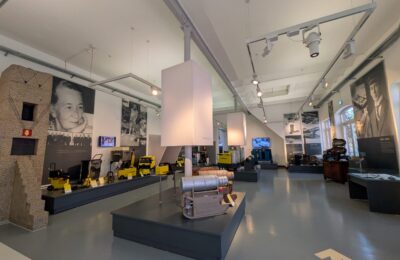
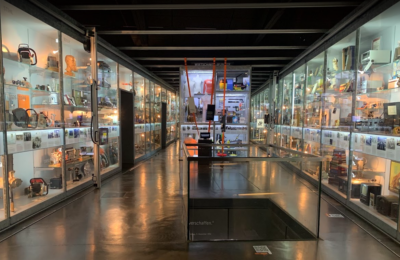
Kärcher Museum in Winnenden, Germany. Photo: Ning Huang, 2026.
从飞机发动机预热到热水高压清洗,再到文化遗产保护,走进德国 Kärcher 博物馆,追踪热、空气、蒸汽、水与压力五种底层能力如何在九十年间不断迁移、拆分与重新组合。From aircraft engine preheating to hot-water high-pressure cleaning and cultural heritage conservation, this museum journey explores how Kärcher has recombined heat, air, steam, water and pressure across nearly ninety years of technological change.
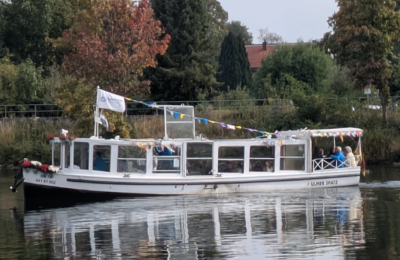
Ulmer Spatz 在多瑙河上航行,作者摄于2026年10月3日田野。
一艘1933年的老船,如何通过修复、共同工作与无障碍改造继续航行?从三分钟掌舵到河上的乌尔姆,Ulmer Spatz 让我重新理解,保存一艘船,也可以让更多人成为它生命的一部分。
How can a ship built in 1933 continue to sail while making room for more people? From inclusive restoration and accessible boarding to three minutes at the helm, the Ulmer Spatz reveals how preserving a working vessel can also mean expanding who gets to become part of its life.
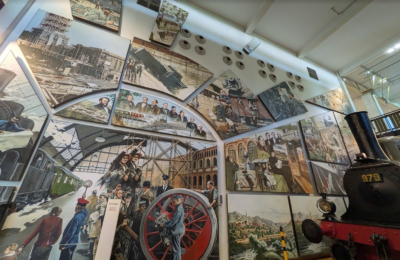
德国工业革命究竟如何开始?本文以曼海姆科技与劳动州立博物馆(TECHNOSEUM)为田野调查对象,聚焦水力、造纸、铁路与工业社会四大主题,探讨德国西南部如何从河流、水车与纸坊,逐步发展出铁路、现代企业、学徒制度、工会与工业城市,并思考制度如何推动文明持续发展。
How did industrial civilization emerge in southwest Germany? Based on field research at TECHNOSEUM in Mannheim, this article explores the development of water power, papermaking, railways, and industrial society, showing how rivers, workshops, vocational training, factories, and social institutions together shaped the foundations of modern German industry.
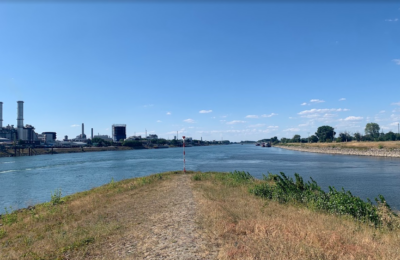
走进德国曼海姆,探访博物馆船曼海姆号、内卡河 0 公里与莱茵河汇流处,以及德国最大的内河港之一。从一艘退役蒸汽客船,到今天仍繁忙运作的港区,看见河流如何塑造城市,也理解德国内河航运为何至今仍是欧洲物流的重要命脉。
Discover Mannheim, where the Neckar meets the Rhine at one of Germany's most important inland ports. From the historic Museum Ship Mannheim to Neckar km 0 and the modern harbour, this journey explores how rivers, shipping, and industry continue to shape one of Europe's most significant inland waterway hubs.
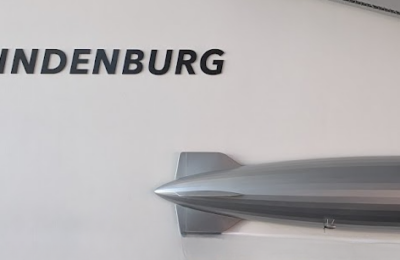
在德国腓特烈港齐柏林飞船博物馆,我重新认识了飞船的意义。它不仅是一项航空技术,更重新定义了旅行本身:天空第一次成为道路,飞行第一次成为生活,旅行第一次不只是抵达,而是在云层之间慢慢生活。
At the Zeppelin Museum in Friedrichshafen, I discovered that airships were more than aviation history. They transformed the sky into a new route for travel and redefined the journey itself—where flying became living, and travel became an experience rather than simply reaching a destination.
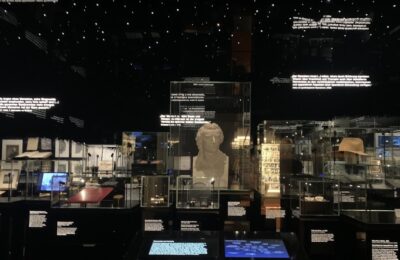
为什么德国最重要的大学、研究机构与世界品牌不断诞生于巴登—符腾堡州?走进斯图加特巴符州历史之家博物馆,从大学制度、哲学传统、科学研究到创新产业,看见德国知识文明如何历经两百年持续累积,并成为德国制造背后的真正力量。
Why has Baden-Württemberg remained one of Germany's leading centers of universities, research, and innovation? This exhibition reveals how two centuries of knowledge traditions transformed philosophy into science, science into technology, and technology into world-famous industries.
为什么在过去一百多年里,巴登—符腾堡能够不断孕育世界品牌?走进斯图加特巴符州历史之家博物馆,从博世、Steiff、Hohner、Mey、SABA 等企业的发展历程,看见家庭工坊如何成长为世界品牌,也重新理解一片土地如何塑造德国工业文明。
Why did Baden-Württemberg produce so many world-famous brands over the past century? Through fieldwork at the House of History Baden-Württemberg in Stuttgart, this article explores how family workshops grew into global companies and how one region shaped Germany's industrial civilization through craftsmanship, specialization, and long-term innovation.