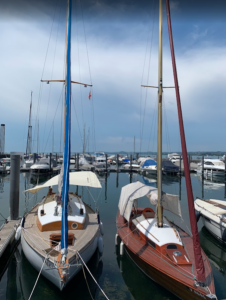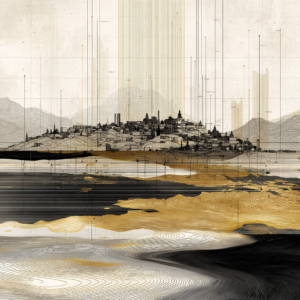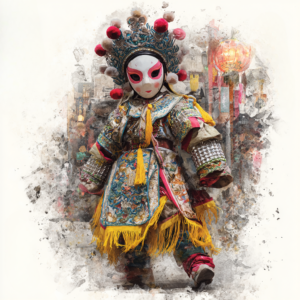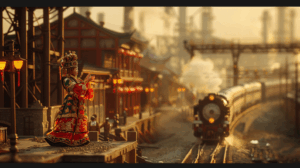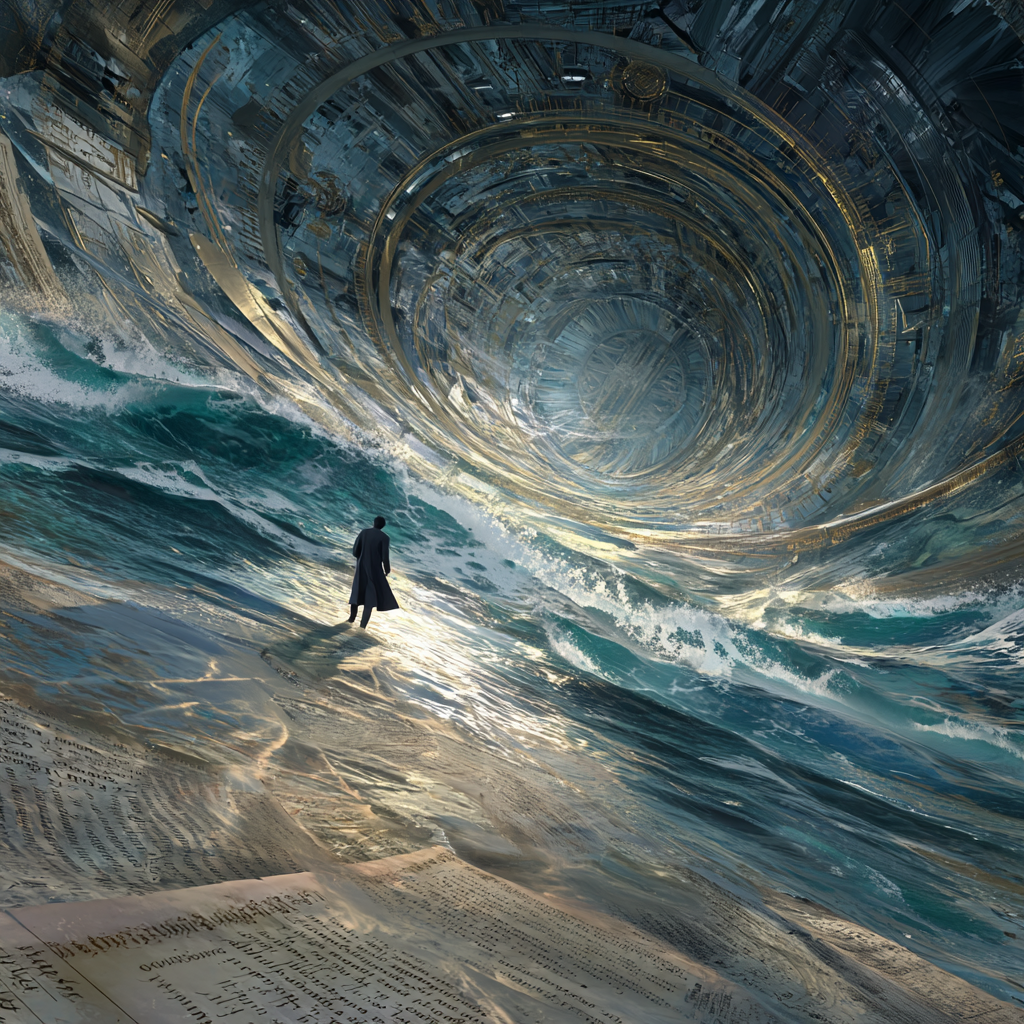
封面图说明|
孤影伫立于历史洪流之中,
江水奔涌过文明的岁月,
生命与时代各有其节奏。
图片:原创数字插画。
引文|当不同的时间,无法保持相同的步伐
生命有自己的节奏,
时代却未必愿意等待;
而文明真正的厚度,
不在于谁走得更快,
而在于不同的速度,
能不能被同一片土地容下。
两千多年前的楚国江畔,
屈原独自行走于江水之间。
他曾希望以政治理想改变楚国,
却逐渐失去施展抱负的机会。
楚国的战车仍在向前行进,
列国之间的战争日益激烈。
个人的理想与国家的命运,
开始走向不同的历史方向。
两千多年后的德国河岸,
昔日的链条拖船已停止运行。
曾经改变航运方式的技术,
如今成为工业历史的见证。
从楚国江河到欧洲水道,
不同的时代留下不同遗迹;
个人生命有其有限的岁月,
制度与文明却有更长的周期。
当个人无法跟上时代变化,
是否意味着他的生命已经落后?
当一种制度退出历史舞台,
它所创造的价值是否随之消失?
一|个人的时间:理想与时代之间的距离
一个人的理想可以坚守,
一个时代却不会因此停留。
1. 楚国朝堂:一个试图改变时代的人
战国时期的楚国朝堂上,
屈原曾受到楚怀王的信任。
他参与国政与外交事务,
希望为楚国寻找强盛之路。
据《史记·屈原贾生列传》,
屈原曾任楚国左徒之职。
入朝参与国事的谋划,
出朝负责接待诸侯宾客。
当时秦国势力不断扩张,
诸侯之间的联盟反复变化。
楚国既要应对外部威胁,
也面临朝廷内部的权力竞争。
屈原熟悉楚国政治事务,
却无法掌握朝堂的全部力量。
他希望国家走向的未来,
未必符合其他权臣的利益。
一个人越清楚自己要什么,
就越容易成为别人的障碍。
2. 朝堂失势:当政治不再等待理想
楚怀王命屈原草拟法令,
上官大夫却试图争夺其稿。
屈原拒绝交出未定的文书,
由此招来同僚的谗言。
《史记》记载这场争执后,
楚怀王逐渐疏远了屈原。
曾经参与国政的重要臣子,
开始失去影响决策的机会。
此时秦国继续向东扩张,
楚国外交面临艰难抉择。
张仪以商於之地诱骗楚王,
楚国最终未能得到许诺的土地。
楚怀王后来又赴秦国会盟,
最终被秦国扣留而未能归国。
这些事件在《史记》中相继展开,
呈现楚国政治判断的困境。
屈原的政治处境逐渐恶化,
楚国的危机却并未因此停止。
个人可以坚持自己的判断,
却无法要求制度按其意志运行。
3. 江畔流放:个人生命与政治时间的断裂
离开朝堂后的屈原,
在《史记》中被写作流放之臣。
他行走于江潭与泽畔之间,
昔日的政治抱负已难以施展。
司马迁描写他的憔悴,
也记下他与渔父的对话。
渔父劝他顺应世间变化,
屈原则坚持内心的清白。
两人面对同一条江水,
却选择了不同的生命道路。
渔父愿意随着世道调整,
屈原不愿放弃自己的原则;
这一场江畔的相遇,
不只是两种性格的冲突,
也是两种时间观的相遇——
一个跟着时代走,
一个跟着自己走。
4. 郢都陷落:个人的悲剧与国家的危机
公元前278年,
秦将白起攻破楚国郢都。
楚国失去长期经营的政治中心,
国家命运进入更加艰难的阶段。
《史记》将郢都陷落的消息,
与屈原生命的结局联系起来。
司马迁记述屈原怀石投江,
使个人悲剧与国难相互映照。
但楚国并未在这一年灭亡,
它仍延续了数十年的历史。
直到公元前223年,
楚国才最终为秦国所灭。
屈原无法阻止楚国的衰落,
也无法改变自己遭遇的政治命运;
但他所代表的精神选择,
并未随着政治生命一同消失。
5. 个人的时间:当理想无法改变制度
在司马迁笔下的屈原身上,
我们看到一种历史性的错位。
个人希望在有限生命中行动,
政治制度却依照自身力量运转。
朝廷的权力不断重新分配,
诸侯的联盟随着利益改变。
屈原坚持自己的政治判断,
却无法决定国家发展的方向。
这并不意味着坚持必然正确,
也不意味着妥协就是背叛;
不同选择都有其历史条件,
也可能付出不同的生命代价。
从节奏文明观的角度观察,
个人时间与制度时间并不相同。
前者承载理想与生命的期限,
后者受到权力与环境的制约。
屈原的悲剧并非仅仅失去官职,
而是理想失去了实现的政治空间。
然而两千多年后的今天,
人们仍在阅读《离骚》与《九章》。
昔日的楚国朝堂早已消失,
屈原的文字却仍引发新的思考。
个人的政治生命已经结束,
文化记忆却进入另一种时间。
二|制度的时间:技术、大学与城市的不同节奏
技术因时代需要而诞生,
制度随社会变化而调整,
唯有历史留下的痕迹,
让后人看见不同的时间。
1. 内卡河的铁链:当技术必须适应河流
十九世纪的德国河岸,
货船沿着内卡河缓缓前行。
岸上的马匹拖曳着船只,
艰难地抵抗逆流的力量。
工业革命改变了运输需求,
铁路逐渐连接德国城市。
传统河运面临新的竞争,
船夫需要更有效的动力。
蒸汽机带来了新的希望,
浅窄河道却限制明轮效率。
工程师于是改变牵引方式,
将沉重的铁链铺设在河床。
蒸汽拖船抓住河底铁链,
牵引满载货物的船队前进。
人类没有改变河流的方向,
却找到适应水流的新方法。
这项技术曾经十分有效,
后来却逐渐退出航运舞台。
随着河道整治与动力进步,
运输系统开始采用新的方式。
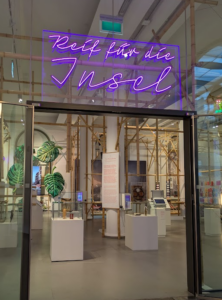
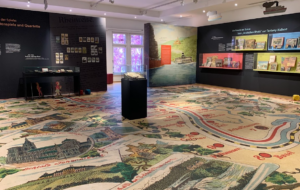
2026年的海尔布隆博物馆,
一段旧铁链静卧在展厅里。
窗外城市继续向前发展,
昔日的运输技术成为历史。
这条铁链曾经拉动整座城市,
如今躺在展厅里,
像一条睡着的河。
2. 伍珀河的船桥:当交通设施成为文化遗产
莱茵河畔的勒沃库森,
伍珀河在这里汇入大河。
两岸居民需要跨越河口,
交通设施随着需求改变。
早在十八世纪的河口,
这里已有桥梁通行的记录。
后来渡船承担两岸运输,
直到工业发展带来新需求。
二十世纪初的工业城市,
工厂与道路改变交通流量。
1920年出现新的船桥设施,
浮在水面的船体支撑通道。
洪水曾经破坏桥梁结构,
战争也使设施遭到毁损。
当地居民一次次修复通道,
让河口重新连接两岸。
战后的1946年,
船夫海因里希·格莱斯,
利用旧浮箱与剩余材料,
重新建起跨越河口的船桥。
后来三艘历史船只,
分别以团结、法律与自由命名。
它们曾经支撑人们的通行,
也保存着莱茵航运的记忆。
1983年的夏天,
这处设施被列入文物名录。
曾经服务交通的船桥,
开始获得新的历史身份。
技术设施的功能会改变,
社会赋予它的意义也会改变。
从运输工具到文化遗产,
船桥进入另一种制度时间。
3. KIT的两百年:当大学必须不断重新学习
1825年的卡尔斯鲁厄,
蒸汽机正在改变欧洲工业。
河流整治需要专业工程师,
机械制造也需要新的知识。
巴登大公签署建校文件,
卡尔斯鲁厄理工学校诞生。
工程知识逐渐走进课堂,
技术教育成为时代的需要。
十九世纪的大学课堂里,
学生开始研究机械与动力。
数学与力学进入工程设计,
经验逐渐转化为系统知识。
后来汽车驶上德国道路,
电气技术改变通信方式。
计算机又带来新的革命,
大学必须不断调整研究方向。
两百年后的卡尔斯鲁厄,
人工智能进入科研与教学。
昔日的理工学校不断发展,
今日的KIT延续其学术传统。
2026年11月的校园里,
国际学生走进语言课堂。
电脑投影突然出现故障,
学生主动借出自己的设备。
技术发展了整整两百年,
课堂仍然需要人与人合作;
一所大学的历史告诉我们,
制度不必永远维持原有形式,
它可以回应社会的新需求,
在不断改变中继续存在。
4. 纪南城的城墙:当政治中心失去原有功能
两千多年前的江汉平原,
楚人在河流与湖泊之间,
逐渐建立庞大的都城体系。
纪南城成为楚国的重要中心。
城墙围起广阔的城市空间,
水道连接着城内外的生活。
工匠在作坊制作各种器物,
官吏与居民维持城市运作。
城内的道路与宫殿区域,
反映当时的政治组织方式。
青铜器与礼仪活动相互联系,
城市也承载着国家的秩序。
考古发现不同阶段的城垣,
显示城市经历建设与扩展。
一座都城并非一日形成,
而是在长期经营中发展。
公元前278年的战火中,
秦军攻破楚国的郢都。
楚国政治中心被迫转移,
纪南城失去原有的都城地位。
昔日的宫殿逐渐成为遗址,
城市空间也经历漫长变化。
曾经维持国家运作的设施,
不再承担原来的政治功能。
两千多年后的考古现场,
研究者重新观察古老城垣。
土层保存着不同时期的痕迹,
出土器物呈现楚人的生活。
纪录片《看见纪南城》,
让遗址重新进入公众视野。
镜头走过城墙与古老水系,
尝试重建昔日都城的面貌。
城墙还在,
只是不再围着权力;
纪南城不再是政治中心,
却仍能提供理解楚国的线索——
当国家制度退出历史舞台,
城市遗迹进入新的研究时间。
5. 制度的时间:为什么有些消失,有些延续?
海尔布隆博物馆的铁链,
曾经牵引船队逆流而上。
当新的运输方式逐渐成熟,
它也失去了原有的优势。
伍珀河口的历史船桥,
曾经解决两岸通行的困难。
后来人们重新认识其价值,
交通设施获得文物的身份。
卡尔斯鲁厄的大学校园里,
一代代学生走进不同课堂。
教学内容随着技术而改变,
教育机构仍在持续运行。
江汉平原上的纪南城遗址,
早已失去楚国都城的功能。
考古工作却重新发现线索,
让古代城市进入现代研究。
这四个历史现场表明,
制度并非按照同一速度变化。
有些技术因条件改变而淘汰,
有些组织通过调整继续存在。
政治中心可能失去权力,
工业设施也可能停止运行。
但功能的终结不等于消失,
后人仍可能重新认识其价值。
从节奏文明观的角度观察,
制度时间受到环境与需求制约。
个人无法决定时代的速度,
制度也无法保证永远存在。
当旧有功能逐渐退出历史,
文明便面临保存与传承的问题。
三|文明的时间:当旧秩序结束以后
制度有兴衰的期限,
文明有延续的可能。
历史不会停在原处,
记忆却能跨越时代。
1. 楚国的消失:当政治生命走向终点
公元前223年的楚国大地,
秦军结束了楚国的政治统治。
延续数百年的楚国王室,
从此失去独立统治的权力。
昔日楚王主持的朝廷,
不再决定江汉地区的政务。
诸侯之间的外交关系消失,
新的行政制度逐渐建立。
然而政治秩序的终结,
并未使楚人的生活突然消失。
语言、习俗与地方传统,
仍在不同地区继续变化。
楚国作为独立国家已不存在,
楚地文化却没有固定的终点。
它在后来的历史发展中,
与新的社会秩序不断交融。
2. 楚辞的流传:当文字跨越政治边界
西汉时期的文人书案上,
楚地诗歌重新受到关注。
司马迁在《史记》中记述屈原,
也将他的遭遇写入历史。
到了东汉王逸的时代,
《楚辞章句》整理解释篇章。
不同来源的作品汇集成书,
楚地文学进入新的传播环境。
后世读者翻开《离骚》,
仍能读到其中的香草美人。
那些带有楚地特色的意象,
逐渐成为中国文学的传统。
不过《楚辞》的流传过程,
并非原封不动保存楚国声音。
不同时代的编者与读者,
也赋予这些作品新的解释。
政治上的楚国早已消失,
文学中的楚国却不断被阅读。
文字无法恢复昔日的朝堂,
却能保存部分历史的感受。
3. 工业遗产:当机器停止运转
德国海尔布隆的博物馆里,
昔日的牵引铁链静静陈列。
曾经牵引船队的机械装置,
如今不再承担运输任务。
展厅保存着技术发展的证据,
也记录内卡河航运的变化。
伍珀河口的历史船桥,
经历过洪水与战争的破坏。
当地人不断修复保存设施,
使它成为工业历史的见证。
这些机器与交通设施,
原本为解决实际问题而建。
当社会不再依赖旧技术,
它们的历史意义才逐渐凸显。
但不是每一项旧技术,
都能获得保存与展示的机会。
许多设施在更新中被拆除,
也有不少技术记忆随之散失。
工业遗产的延续并非自然发生,
而是需要社会投入保存资源。
从机械维修到历史研究,
人们不断重新选择保存什么。
4. 知识的传承:当一代人离开课堂
卡尔斯鲁厄的大学校园里,
不同年代的学生走进教室。
十九世纪研究蒸汽与机械,
今天则面对数字技术与人工智能。
早年的教授已经离开讲台,
昔日的教学设备不断更新。
大学保存部分历史文献,
也持续发展新的研究领域。
知识的传承不只是收藏,
更需要一代代人的重新学习。
学生可以质疑旧有的理论,
研究者也可能修正前人结论。
一所大学延续两百年,
并不意味着知识始终不变。
恰恰因为不断接受新问题,
它才能调整自身的发展方向。
5. 纪南城:当都城成为遗址,文明仍在说话
一座都城的政治生命可以结束,
但它在地上留下的痕迹,
不会一夜消失;
宫殿可以烧毁,
城墙可以倾颓,
但城市曾经怎么活过,
土层都记得。
两千多年后的考古现场,
研究者重新观察古老城垣。
土层保存着不同时期的痕迹,
出土器物呈现楚人的生活。
纪南城不再是政治中心,
却成了另一种中心:
它是我们理解楚国怎么生活,
怎么组织,
怎么呼吸的地方。
当国家制度退出历史舞台,
城市遗迹进入新的研究时间。
纪南城的城墙还在,
只是不再围着权力;
它现在围着的,
是后人的目光——
一座都城失去了政治功能,
却获得了文明记忆的功能。
尾声|时间不是一条线
不同步未必意味着落后,
走得更快也未必代表进步。
历史有不同的时间尺度,
文明也有不同的生命节奏。
我们习惯把时间想成一条线:
个人在线上走,
制度在线上走,
文明也在线上走;
但真实的时间更像许多条不同速度的河——
有的急,
有的缓,
有的早已干涸,
有的还在改道。
屈原的河,
流得很急,
也流得很短。
楚国的河,
流了几百年,
最后改了道。
铁链的河,
流了几十年,
最后停了。
大学的河,
流了两百年,
还在流。
纪南城的河,
沉寂了两千多年,
又流进考古学家的手铲里。
当生命与时代不同步,
不是谁落后了,
而是两条河的速度本来就不一样;
文明真正的厚度,
不在于让所有河都流得一样快,
而在于让不同的速度,
都留下自己的河道。
有的河停了,
河道还在;
有的人走了,
文字还在;
时间不是一条线,
是许多条河,
各自流着,
各自留下痕迹。
楚人对话后记|考烈王、黄歇与令尹夫人的观后感
如果时代跟我不一样快,我该等它,还是走我自己的?
夜色沉沉,云梦泽上风声未歇。
考烈王望着桌上的竹简,忽然问:
「春申君,寡人有一事不明。
屈大夫一生都想改变楚国,
可楚国没有等他。
他到底是走得太早,
还是楚国走得太慢?」
黄歇沉默了一会儿:
「大王,或许不是谁快谁慢;
而是他们本来就不在同一条河上。
屈大夫的河,流的是理想;
楚国的河,流的是权力和利益。
两条河碰在一起,不一定能合流。」
我坐在一旁,轻声说:
「所以后来的人读《离骚》,
读的不是屈原有没有成功;
读的是一个人,
在自己的河与时代的河不同速时,
选择了哪一条。」
考烈王又问:
「那寡人呢?
寡人的时代与寡人,
同步了吗?」
没有谁的时代会完全与自己同步;
屈原没有等到,
楚王也没有等到;
所谓同步,
不是时代迁就个人,
也不是个人迁就时代,
而是两条河在某一处,
恰好并流了一段。
并流的时候,
就一起走;
不同流的时候,
就各自留下自己的河道;
屈原留下了文字,
楚国留下了土地,
而我们,
留下了这些问题。
考烈王没有再说话。
黄歇也没有。
云梦泽上,风声渐远,
许多条河,还在各自流着。
说明:本篇对话为作者依据楚国历史、《史记》记载及现代田野研究创作的跨越时空文学想象,并非真实历史对话。「令尹夫人」为作者设置的文学角色。
参考文献
延伸阅读
- 《船为什么要拉着河底的铁链前进?|从内卡河到易北河,看德国链条拖船的兴衰》|Why Did Ships Pull Themselves Along Riverbed Chains? The Rise and Fall of Chain Tugboats on Germany’s Neckar and Elbe Rivers
- 《楚国八百年:楚人还有话要说》|Eight Hundred Years of Chu: The People of Chu Have More to Say
- 《看见纪南城》:一座楚都,如何被重新“看见”?——对一部纪录片的结构性重读与补写|Seeing Jinan City: Rediscovering the Ancient Capital of Chu — A Structural Reinterpretation of a Documentary
- 《从蒸汽机到人工智能:卡尔斯鲁厄理工学院的两百年|KIT 1825–2025》|From Steam Engines to Artificial Intelligence: 200 Years of the Karlsruhe Institute of Technology | KIT 1825–2025
Appendix|English Narrative Overview
When Life Falls Out of Step with Its Time
Rhythm Civilization: From Ancient Chu to Modern Fieldwork
When Different Lives, Institutions, and Civilizations Follow Different Clocks
On the riverbanks of ancient Chu, Qu Yuan walks alone, far removed from the court where he once hoped to shape his country’s future. He had served King Huai of Chu and believed that political judgement and loyal service could help protect the kingdom. Yet the court continued to change around him, and the influence he once held gradually disappeared. His convictions remained, but the political world in which he hoped to realise them no longer offered him the same place.
More than two thousand years later, a heavy iron chain lies in a museum in Heilbronn, Germany. During the nineteenth century, chains laid along riverbeds helped steam-powered vessels pull cargo upstream against difficult currents. The technology once answered an urgent transportation need, but improvements in waterways and propulsion eventually made it obsolete. What had once moved ships now survives as evidence of an earlier industrial world.
These two scenes belong to very different histories. One concerns a statesman whose political ambitions could not be fulfilled; the other concerns a technology that lost its practical purpose. Yet both raise a similar question: what happens when a person’s aspirations, an institution’s functions, or a civilization’s traditions no longer move at the same pace as the world around them?
This essay approaches that question through three different scales of time: the individual, the institution, and civilization. Its central concern is not whether change can be prevented, but how different forms of life respond when their rhythms diverge.
I. The Individual’s Time | Qu Yuan and the Limits of Political Ideals
During the Warring States period, the kingdom of Chu faced increasing pressure from Qin and a shifting network of alliances among competing states. According to Sima Qian’s Records of the Grand Historian, Qu Yuan served as a senior official under King Huai, participating in political deliberations and diplomatic affairs. His position gave him an opportunity to influence the kingdom’s direction, but it did not place the court’s competing interests under his control.
As political rivalries intensified, Qu Yuan lost the ruler’s confidence. Sima Qian describes disputes involving the drafting of legislation and accusations made by other officials. Meanwhile, Chu’s diplomatic difficulties deepened, including the deception associated with Zhang Yi and King Huai’s eventual detention in Qin. Qu Yuan’s declining political influence unfolded alongside a broader crisis that no individual minister could resolve alone.
The contrast becomes especially visible in the literary encounter between Qu Yuan and a fisherman. Walking beside the rivers and marshes after his exclusion from court, Qu Yuan confronts a man who understands survival differently. The fisherman advises accommodation to changing circumstances, while Qu Yuan refuses to abandon his principles. They stand beside the same water, yet imagine different ways of moving through the world.
Neither position can be reduced simply to courage or weakness. Adaptation may preserve a person’s ability to act, while steadfastness may protect convictions that would otherwise be lost. Qu Yuan’s tragedy lies partly in the distance between what he believed should happen and what the political system would permit. His remaining lifetime could not be extended until the kingdom was ready to accept his vision.
In 278 BCE, Qin forces under Bai Qi captured Chu’s capital, Ying. Sima Qian connects this catastrophe with the final chapter of Qu Yuan’s life, describing his death by drowning. Chu itself continued for several more decades before its final conquest by Qin in 223 BCE. The political life of Qu Yuan ended, and the kingdom he had served eventually disappeared as an independent state.
Yet his writings entered another history. The court that had determined his position vanished, while later generations continued to read Li Sao and Jiu Zhang. The individual who could not control the direction of his own age became part of a cultural memory extending far beyond it.
II. The Institution’s Time | Rivers, Bridges, Universities, and Ancient Cities
The Neckar River in nineteenth-century Germany presented engineers with a practical problem. Cargo vessels needed to travel upstream, but currents and shallow waterways limited the effectiveness of existing methods. Horses could pull boats from the banks, yet growing industrial demands called for more efficient transportation. Engineers responded by laying iron chains along riverbeds, allowing steam-powered vessels to pull themselves and their cargo forward.
The solution worked because it adapted technology to the river’s conditions rather than attempting to eliminate them. For a time, chain navigation served an important economic purpose. Later developments in propulsion and river engineering gradually displaced it. When I visited a museum in Heilbronn in 2026, a surviving section of chain lay in the exhibition space, no longer moving cargo but preserving the memory of the system that once depended upon it.
At the mouth of the Wupper River near Leverkusen, another transportation structure followed a different path. The historic Schiffsbrücke connected communities across the river and endured repeated damage from floods and war. In 1946, Heinrich Gleiß rebuilt the crossing using available floating structures and salvaged materials. Its three historic vessels became associated with the names Einigkeit, Recht, and Freiheit — Unity, Justice, and Freedom.
The bridge eventually acquired a significance beyond everyday transportation. In 1983, it received protected monument status. Its continued existence depended not simply on the usefulness of its original design, but on the willingness of later generations to recognise and preserve its historical value. A working structure had entered the institutional world of cultural heritage.
The Karlsruhe Institute of Technology offers a different example of continuity through change. Its educational roots reach back to 1825, when engineering knowledge was becoming increasingly important to industrial development. Over the following two centuries, the subjects taught and researched in Karlsruhe changed with the emergence of electrical engineering, automobiles, computing, and artificial intelligence.
In November 2026, I encountered a small reminder of this continuing adaptation while teaching international students on campus. When the classroom projection equipment failed, students offered their own devices to help the lesson continue. After two hundred years of technological development, education still depended on something remarkably familiar: people recognising a problem and cooperating to solve it.
The ancient city of Jinan, once an important political centre of Chu, illustrates a more radical transformation. Its walls, waterways, workshops, and palace areas once supported the functioning of a capital. Following the Qin capture of Ying in 278 BCE, the city’s former political role came to an end. Its structures gradually became archaeological remains.
Today, researchers examine those remains to understand how the city was organised and how its inhabitants lived. The documentary Seeing Jinan City brings this archaeological landscape into public view. Walls that once helped define a centre of political power now help researchers reconstruct a vanished urban world.
These four settings reveal different institutional rhythms. Chain navigation lost its technological advantage, the floating bridge acquired a heritage function, the university continued by changing its work, and Jinan City entered the realm of archaeology. Institutions do not all survive by remaining unchanged. Sometimes their original function ends, while the traces they leave become meaningful in an entirely different context.
III. Civilization’s Time | What Remains After an Order Disappears
In 223 BCE, Qin completed its conquest of Chu. The kingdom’s independent political institutions came to an end, and the former territories entered a new administrative order. Yet the disappearance of a state did not immediately erase the practices, traditions, or cultural expressions of the people who had lived within it.
The literary inheritance of Chu demonstrates this distinction. During the Han dynasty, Sima Qian preserved an account of Qu Yuan’s life, while later scholars collected and interpreted works associated with the Chu Ci. Wang Yi’s Chu Ci Zhangju, compiled during the Eastern Han, became an important stage in that transmission.
The poems did not pass through history unchanged in meaning. Successive generations of editors, commentators, and readers approached them with different questions. Their imagery and emotional language entered a wider Chinese literary tradition, long after the political circumstances of their creation had disappeared.
Something comparable happens when industrial machinery becomes cultural heritage. A chain once used to pull vessels upstream can no longer perform its former economic task, but it can reveal how engineers responded to geographical constraints. A historic floating bridge can become a monument rather than merely a crossing. Neither transformation happens automatically; preservation requires people, institutions, and resources willing to protect what might otherwise be lost.
Universities preserve knowledge through a different process. They do not simply store the conclusions of earlier generations. Students learn, researchers question established theories, and new discoveries require older explanations to be reconsidered. Continuity in education depends partly on the freedom to change what is taught.
At Jinan City, the ground itself has become a historical source. Archaeologists study walls, soil layers, and surviving objects to reconstruct a capital whose political institutions no longer exist. The city cannot resume its former place in the kingdom of Chu, but its remains can enter new conversations about urban life, political organisation, and cultural history.
Civilizational continuity, therefore, is not the same as the uninterrupted survival of an original institution. Some traditions are transformed, some objects are preserved, and others disappear. What later generations remember depends partly on what survives, but also on what they choose to investigate, interpret, and pass forward.
Epilogue | Time Is Not a Single River
We often imagine history as a single line along which individuals, institutions, and civilizations all move together. From that perspective, someone who cannot keep pace may appear to have fallen behind, while a technology that disappears may seem to have failed.
But the histories explored here suggest a different picture. Qu Yuan’s political life was brief compared with the literary afterlife of his writings. Chu existed as an independent kingdom for centuries, while its cultural inheritance continued beyond its conquest. Chain navigation served its purpose for a limited period, whereas Karlsruhe’s educational tradition has continued for two hundred years through repeated transformation.
Jinan City offers another measure of time. Its political importance ended long ago, yet its surviving remains have become the subject of modern archaeological investigation. The city belongs simultaneously to an ancient political history and a continuing history of research.
Perhaps time is better imagined as a landscape of rivers. Some flow rapidly, some slowly, and some change course. Others cease to flow, leaving channels through which later generations can trace where the water once passed.
When a life falls out of step with its age, that difference does not necessarily mean that someone has failed to keep up. Different forms of existence have different durations and possibilities. A civilization’s depth may lie not in forcing them all to follow one speed, but in allowing their distinct histories to leave recognisable traces.
Across Civilizations
King Kaolie, Huang Xie, and Lady Lingyin | When Two Rivers Cannot Flow Together
Night settled over Yunmeng Marsh. The wind moved across the dark water, and a collection of bamboo slips lay on the table before King Kaolie of Chu. He had been considering the histories of Qu Yuan, the vanished capital, and the different ways in which people and institutions outlived their original purposes.
At last, he turned towards Huang Xie, Lord Chunshen.
“Lord Chunshen, there is something I do not understand. Qu Yuan spent his life trying to change Chu, but Chu did not wait for him. Was he moving too far ahead of his time, or was the kingdom moving too slowly?”
Huang Xie remained silent for a moment.
“Your Majesty, perhaps neither was simply faster or slower. They were not travelling along the same river. Qu Yuan’s river carried his ideals, while the kingdom’s river carried power and competing interests. Two rivers may meet without necessarily becoming one.”
I had been listening beside them.
“Then perhaps,” I said quietly, “when later generations read Li Sao, they are not asking whether Qu Yuan succeeded in changing his country. They are asking which course a person chooses when the rhythm of an individual life no longer matches that of the surrounding age.”
King Kaolie looked again at the bamboo slips.
“And what of me? Did my age move in step with my own life?”
No answer followed.
A ruler’s lifetime and the age in which he governs can never be assumed to move in perfect harmony. Qu Yuan had not lived to see the political future he hoped for, and the kings of Chu had also faced circumstances they could not fully command. Perhaps moving in step does not mean that an age must accommodate an individual, or that an individual must surrender entirely to the age. Sometimes two different currents simply run together for a while.
When they do, they share part of their journey. When they separate, each leaves its own course behind. Qu Yuan left his writings, Chu left its historical landscape, and later generations inherited questions that neither the poet nor the kings could finally settle.
King Kaolie said nothing more. Neither did Huang Xie.
The wind gradually quietened over Yunmeng Marsh. Beyond the darkness, many rivers continued to follow their separate courses.
Historical and literary note: This dialogue is a fictional encounter across time, inspired by the history of ancient Chu, Sima Qian’s Records of the Grand Historian, and the author’s modern fieldwork. King Kaolie and Huang Xie, Lord Chunshen, belonged to a later historical generation than Qu Yuan. Lady Lingyin is a fictional literary character created by the author. The conversation is not a historical record.
🤖 人工智能协作声明
本文的主题选择、田野调查、资料搜集、核心观点与中文原始内容,均由作者独立完成。创作过程中,作者与人工智能模型,进行持续协作,包括多轮讨论、思路推演、叙事节奏调整、部分翻译、英文 Narrative Overview 生成、语言检查、结构检测与文字润饰。
人工智能在此过程中,作为创作协作者,参与内容发展与语言表达,但不作为法律意义上的作者或著作权主体。所有 AI 协作产生的内容,均由作者依据田野资料、原始文献与中文母稿,进行选择、审校、修改与艺术化重构。文章的叙事方向、内容取舍、创作决策、最终表达与价值判断,均由作者决定并负责。
📜 本站所有原创作品均已完成区块链存证,确保原创凭证。部分重点作品另行提交国家版权登记,作为正式法律备案。原创声明与权利主张已公开。完整说明见:
👉 原创声明 & 节奏文明版权说明 | Originality & Rhythm Civilization Copyright Statement – NING HUANG
节奏文明存证记录
本篇博客文为原创作品,由黄甯与 AI 协作生成,于博客网页首发后上传至 ArDrive 区块链分布式存储平台进行版权存证:
- 博客首发时间:2026年11月24日
- 存证链接:5a2cf5a8-4901-4d2f-a188-3cb9aa3f6024 (arweave.net)(已于 2026年11月18日上传)
- 原创声明编号:Rhythm_Archive_24_Nov_2026/when-life-falls-out-of-step-with-its-time
- 用途声明:本文为《节奏文明观》之篇章,亦参与构建《AI×非遗文明共构档案》与《文明节奏回声计划》,用于文明节奏实地记录、区块链存证、跨域协作与版权登记用途。
© 黄甯 Ning Huang, 2026. All Rights Reserved.
本作品受版权法保护,未经作者书面许可,禁止复制、改编、转载或商用,侵权必究。
📍若未来作品用于出版、课程、NFT或国际展览等用途,本声明与区块链记录可作为创作时间及原创性的佐证。