《令尹夫人的爱船船队》之五|工作的船

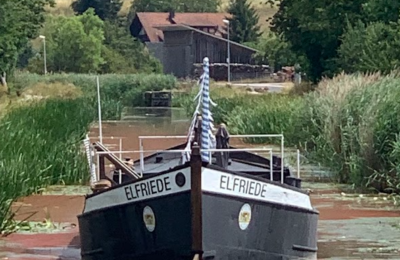
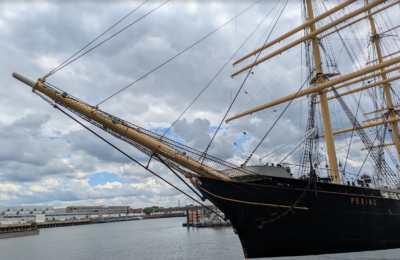
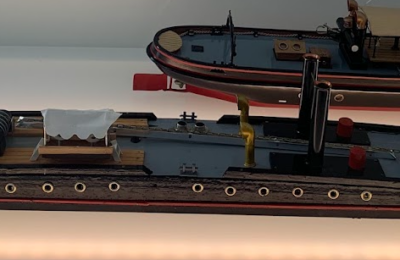
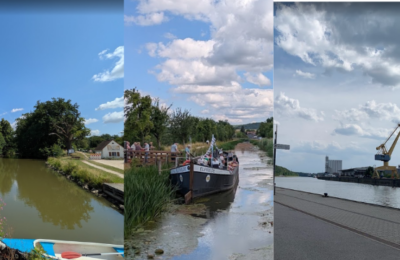
真正推动文明向前的,不一定是最耀眼的船,而是那些默默工作的船。本篇走访汉堡、杜伊斯堡、海尔布隆与斯图加特,介绍 Buffalo、Cordillera、Cap San Diego、Oscar Huber、Tauerei Ruhrort 与 Marina 六艘德国工作船。从能源、食物、贸易到内河运输,它们共同见证了德国工业文明如何一步一步建立,也让人重新思考:真正推动世界运转的力量,往往隐藏在最不起眼的地方。 What truly drives civilization forward is not always the most famous ship, but the working vessels that quietly keep the world moving. Based on fieldwork in Hamburg, Duisburg, Heilbronn and Stuttgart, this article introduces six German working ships—Buffalo, Cordillera, Cap San Diego, Oscar Huber, Tauerei Ruhrort and Marina. From energy and food transport to global trade and inland navigation, they reveal how Germany's industrial civilization was built through countless unseen efforts and innovative engineering.

Weiterlesen《令尹夫人的爱船船队》之五|工作的船

《令尹夫人的爱船船队》之四|远洋客船的黄金年代(三):战争与命运

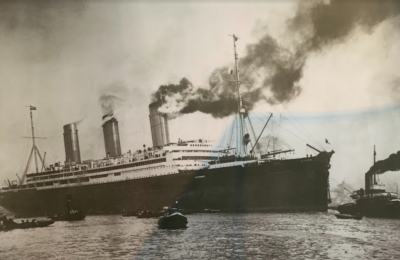
《令尹夫人的爱船船队》之四《远洋客轮的黄金年代(三):战争与命运》以 Imperator、Gotha、Monte Olivia、Cap Arcona 与 Queen Mary 五艘远洋客轮为主线,探讨战争如何改变船只的名字、航线、身份、生命与时代,也回望二十世纪远洋客轮黄金年代的终章。 The third article in the Golden Age of Ocean Liners series follows five famous passenger ships—Imperator, Gotha, Monte Olivia, Cap Arcona and Queen Mary—to explore how war transformed their names, routes, identities and destinies, marking the end of the great era of transatlantic ocean liners.

Weiterlesen《令尹夫人的爱船船队》之四|远洋客船的黄金年代(三):战争与命运

《令尹夫人的爱船船队》之三|远洋客船的黄金年代(二):航线与世界

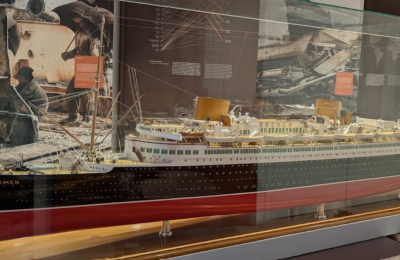
从 City of Santiago、Gotha 到 Monte Olivia、Cap Arcona 与 Queen Mary,五艘远洋客轮如何连接欧洲、南美与北大西洋,并让航线、旅行与世界逐渐改变。 From City of Santiago to Queen Mary, five ocean liners reveal how maritime routes connected Europe, South America and the North Atlantic, transforming travel and the world.

Weiterlesen《令尹夫人的爱船船队》之三|远洋客船的黄金年代(二):航线与世界

《令尹夫人的爱船船队》之二|远洋客船的黄金年代(一):速度与帝国

从 Lahn、Cap Polonio、Columbus、Bremen 到 Milwaukee,本文走访德国多座海事与移民博物馆,追寻德国远洋客轮黄金时代的发展历程。从移民航线到蓝丝带竞赛,从速度、工业到旅游文明,每一艘船都承载着一个时代驶向世界的梦想。 From Lahn and Cap Polonio to Columbus, Bremen and Milwaukee, this article explores the golden age of German ocean liners through museums in Hamburg and Bremerhaven. More than passenger ships, these liners carried migration, technology, trade and the dream of reaching the wider world.

Weiterlesen《令尹夫人的爱船船队》之二|远洋客船的黄金年代(一):速度与帝国

《令尹夫人的愛船船隊》之一|德国皇室之船

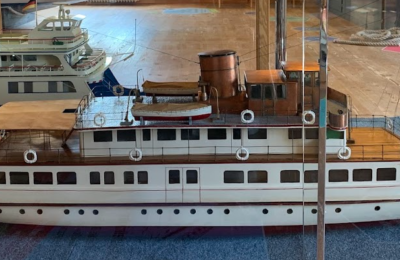
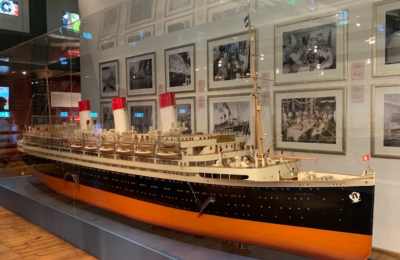
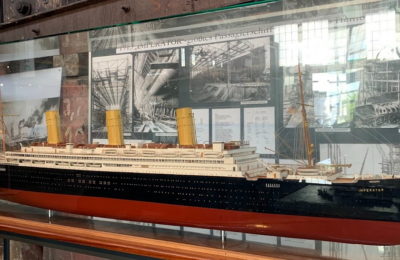
2026 年,我在德国港口与航运博物馆展开了一场特别的收藏。从汉堡港口博物馆的 Imperator(皇帝号),到杜伊斯堡内河航运博物馆与 BallinStadt 的皇室之船,这四艘以德国皇室命名的船,见证了帝国、河流、航运与现代旅行的发展,也开启了"令尹夫人的爱船船队"。 On my museum journey through Germany, four royal ships changed the way I look at navigation. From the legendary Imperator to inland paddle steamers and the world's first purpose-built cruise ship, this article explores how royal names, rivers and ocean liners shaped modern maritime civilization—and the beginning of my own ship collection.

Weiterlesen《令尹夫人的愛船船隊》之一|德国皇室之船

《飞行,如何重新定义旅行|腓特烈港・齐柏林飞船博物馆》

在德国腓特烈港齐柏林飞船博物馆,我重新认识了飞船的意义。它不仅是一项航空技术,更重新定义了旅行本身:天空第一次成为道路,飞行第一次成为生活,旅行第一次不只是抵达,而是在云层之间慢慢生活。 At the Zeppelin Museum in Friedrichshafen, I discovered that airships were more than aviation history. They transformed the sky into a new route for travel and redefined the journey itself—where flying became living, and travel became an experience rather than simply reaching a destination.

Weiterlesen《飞行,如何重新定义旅行|腓特烈港・齐柏林飞船博物馆》

《巴登—符腾堡知识文明:德国大学与创新传统为何在这里扎根|斯图加特・巴符州历史之家博物馆》

为什么德国最重要的大学、研究机构与世界品牌不断诞生于巴登—符腾堡州?走进斯图加特巴符州历史之家博物馆,从大学制度、哲学传统、科学研究到创新产业,看见德国知识文明如何历经两百年持续累积,并成为德国制造背后的真正力量。 Why has Baden-Württemberg remained one of Germany's leading centers of universities, research, and innovation? This exhibition reveals how two centuries of knowledge traditions transformed philosophy into science, science into technology, and technology into world-famous industries.

Weiterlesen《巴登—符腾堡知识文明:德国大学与创新传统为何在这里扎根|斯图加特・巴符州历史之家博物馆》

《巴登—符腾堡州工业文明 —— 从隐形冠军到世界品牌|斯图加特・巴符州历史之家博物馆》

为什么在过去一百多年里,巴登—符腾堡能够不断孕育世界品牌?走进斯图加特巴符州历史之家博物馆,从博世、Steiff、Hohner、Mey、SABA 等企业的发展历程,看见家庭工坊如何成长为世界品牌,也重新理解一片土地如何塑造德国工业文明。 Why did Baden-Württemberg produce so many world-famous brands over the past century? Through fieldwork at the House of History Baden-Württemberg in Stuttgart, this article explores how family workshops grew into global companies and how one region shaped Germany's industrial civilization through craftsmanship, specialization, and long-term innovation.

Weiterlesen《巴登—符腾堡州工业文明 —— 从隐形冠军到世界品牌|斯图加特・巴符州历史之家博物馆》

《内卡河:一条河如何成为巴登—符腾堡的脊梁|斯图加特・巴符州历史之家博物馆 x 海尔布隆市立博物馆》

如果莱茵河塑造了德国,那么内卡河塑造了巴登-符腾堡。本文结合斯图加特巴符州历史之家博物馆与海尔布隆市立博物馆,沿着内卡河367公里的流向,走访河源、大学城、工业城市、葡萄酒产区、港口与现代航运,探索河流如何串联城市、交通、产业与文明,并从楚国鄂君启金节交通路线图,看见东西方共同的河流文明。 If the Rhine shaped Germany, the Neckar shaped Baden-Württemberg. This article explores the 367-kilometer Neckar River through the House of History Baden-Württemberg and Heilbronn City Museum, revealing how rivers connect cities, transport, industry and regional identity. From river source to inland navigation, it also draws an unexpected dialogue with the ancient transportation routes of the Chu State in China, showing how civilizations have always grown along rivers.

Weiterlesen《内卡河:一条河如何成为巴登—符腾堡的脊梁|斯图加特・巴符州历史之家博物馆 x 海尔布隆市立博物馆》

《一池水,比一座车站更早来到这里|北京西站旁・莲花池公园》

一组来自北京的莲花池照片,让我重新想起花莲童年的池塘,也重新理解北京这座城市。北京西站旁的莲花池已有三千多年历史,它不仅孕育了早期北京,更见证了城市、铁路与时代的变迁。本文从一池水出发,重新阅读北京,也重新思考水如何塑造文明、保存记忆,以及人与水之间跨越时空的连接。 A series of photographs from Beijing's 3,000-year-old Lotus Pond inspired a journey through memory, water, and urban history. Located beside Beijing West Railway Station, Lotus Pond reveals how ancient water shaped the city long before railways arrived. Through personal memories, historical research, and the perspective of water civilization, this article explores how rivers, lakes, ponds, and canals preserve the memory of both cities and civilizations.

Weiterlesen《一池水,比一座车站更早来到这里|北京西站旁・莲花池公园》