《被画出来的世界:贝海姆地球仪|纽伦堡・日耳曼国家博物馆》之三|The World as It Was Drawn: The Behaim Globe | Germanisches Nationalmuseum, Nuremberg (III)

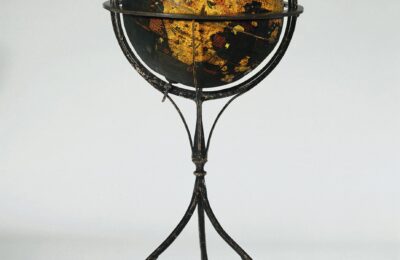
1492年完成的贝海姆地球仪,是现存最古老的地球仪之一,也记录了欧洲如何逐步想像世界。本文从贝海姆地球仪出发,探讨哥伦布时代的世界观、马可·波罗、神话与地图、葡萄牙航海、全球贸易,以及地图如何推动世界连接,并与楚国依江河建立的交通体系进行比较,思考不同文明如何理解远方、连接世界。 Completed in 1492, the Behaim Globe is the world's oldest surviving terrestrial globe and a remarkable record of how Europeans imagined the world before the discovery of the Americas. This article explores the Behaim Globe, Marco Polo's influence, myth and cartography, Portuguese exploration, global trade, and the emergence of an interconnected world, while comparing Europe's maritime worldview with the river-based transportation system of the ancient Chu civilization to examine how different civilizations understood and connected distant places.

Weiterlesen《被画出来的世界:贝海姆地球仪|纽伦堡・日耳曼国家博物馆》之三|The World as It Was Drawn: The Behaim Globe | Germanisches Nationalmuseum, Nuremberg (III)

《文明如何开始测量世界|纽伦堡・日耳曼国家博物馆》之二|How Civilizations Began Measuring the World | Germanisches Nationalmuseum, Nurembergng German Heraldry Through Nuremberg’s Family Memorial Shields | Germanisches Nationalmuseum, Nuremberg (II)

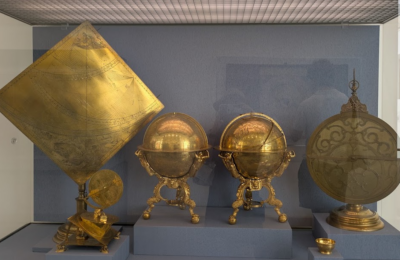
走进纽伦堡日耳曼国家博物馆科学仪器展厅,从太阳象限仪、天球仪、日晷、地球仪到望远镜,探索欧洲如何逐步建立现代科学。并结合楚帛书、武王墩木尺、九店楚简、清华简《算表》与鄂君启金节,比较欧洲与楚文明两条不同的测量世界之路。 Explore scientific instruments at the Germanisches Nationalmuseum in Nuremberg and compare European measurement traditions with the astronomical, mathematical and administrative knowledge of the ancient Chu civilization.

Weiterlesen《文明如何开始测量世界|纽伦堡・日耳曼国家博物馆》之二|How Civilizations Began Measuring the World | Germanisches Nationalmuseum, Nurembergng German Heraldry Through Nuremberg’s Family Memorial Shields | Germanisches Nationalmuseum, Nuremberg (II)

《从纽伦堡的家族荣誉盾牌,看懂德国家徽文化|纽伦堡・日耳曼国家博物馆》之一 |Understanding German Heraldry Through Nuremberg’s Family Memorial Shields | Germanisches Nationalmuseum, Nuremberg (I)

从纽伦堡中世纪家族荣誉盾牌出发,理解德国家徽文化、教堂中的家族记忆、社会荣誉与身份制度。文章介绍 Totenschild 的功能、完整纹章、委托制作、木材与皮革、银箔与颜料、树轮年代学、放射性碳定年及历代修复,并结合我在广西与湖北江夏寻根、阅读黄氏族谱和参访宗祠的经历,比较德国教堂家徽与中国姓氏、郡望、堂号、族谱、祠堂、牌位及匾额如何保存祖先与家族记忆。 Through Nuremberg’s late medieval family memorial shields, this article explores German heraldry, church-based family memory, social honour, craftsmanship, scientific dating, and conservation. It explains the function and construction of Totenschilde, including coats of arms, helmets, leather, silver leaf, pigments, dendrochronology, radiocarbon dating, and later restorations. The article also compares German memorial shields and church heraldry with Chinese surnames, ancestral halls, genealogies, clan names, ancestral tablets, portraits, and commemorative plaques, drawing on my own journey to trace the Huang family lineage in Guangxi and Jiangxia.

Weiterlesen《从纽伦堡的家族荣誉盾牌,看懂德国家徽文化|纽伦堡・日耳曼国家博物馆》之一 |Understanding German Heraldry Through Nuremberg’s Family Memorial Shields | Germanisches Nationalmuseum, Nuremberg (I)

《德国西南部工业文明的诞生:以水力、造纸、铁路与现代城市形成为例|曼海姆科技与劳动州立博物馆(TECHNOSEUM)》| The Birth of Industrial Civilization in Southwest Germany: From Water Power and Papermaking to Railways and Modern Industrial Society | TECHNOSEUM – State Museum of Technology and Labour, Mannheim

德国工业革命究竟如何开始?本文以曼海姆科技与劳动州立博物馆(TECHNOSEUM)为田野调查对象,聚焦水力、造纸、铁路与工业社会四大主题,探讨德国西南部如何从河流、水车与纸坊,逐步发展出铁路、现代企业、学徒制度、工会与工业城市,并思考制度如何推动文明持续发展。 How did industrial civilization emerge in southwest Germany? Based on field research at TECHNOSEUM in Mannheim, this article explores the development of water power, papermaking, railways, and industrial society, showing how rivers, workshops, vocational training, factories, and social institutions together shaped the foundations of modern German industry.

Weiterlesen《德国西南部工业文明的诞生:以水力、造纸、铁路与现代城市形成为例|曼海姆科技与劳动州立博物馆(TECHNOSEUM)》| The Birth of Industrial Civilization in Southwest Germany: From Water Power and Papermaking to Railways and Modern Industrial Society | TECHNOSEUM – State Museum of Technology and Labour, Mannheim

《两条河流,在这里相遇|走进曼海姆,看见德国内河航运的重要节点》|Where Two Rivers Meet: Mannheim and Germany’s Inland Waterway Gateway

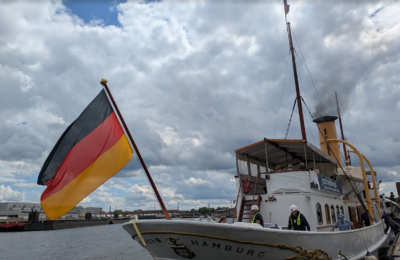
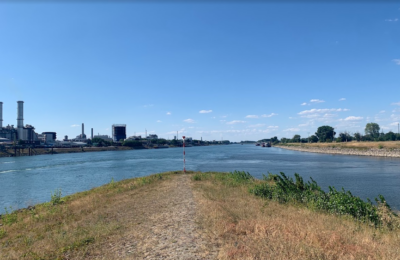
走进德国曼海姆,探访博物馆船曼海姆号、内卡河 0 公里与莱茵河汇流处,以及德国最大的内河港之一。从一艘退役蒸汽客船,到今天仍繁忙运作的港区,看见河流如何塑造城市,也理解德国内河航运为何至今仍是欧洲物流的重要命脉。 Discover Mannheim, where the Neckar meets the Rhine at one of Germany's most important inland ports. From the historic Museum Ship Mannheim to Neckar km 0 and the modern harbour, this journey explores how rivers, shipping, and industry continue to shape one of Europe's most significant inland waterway hubs.

Weiterlesen《两条河流,在这里相遇|走进曼海姆,看见德国内河航运的重要节点》|Where Two Rivers Meet: Mannheim and Germany’s Inland Waterway Gateway

《美因-多瑙运河的三生三世》|一场跨越一千两百年的运河梦|The Three Lives of the Main–Danube Canal: A 1,200-Year Canal Dream

一条运河,一千二百年的梦想。从查理大帝的 Karlsgraben、路德维希运河,到现代美因-多瑙运河,我走访德国四座城市,以田野调查串联欧洲三次跨流域运河工程,寻找连接莱茵河与多瑙河背后的文明故事。 Following Charlemagne's canal, Ludwig Canal and the modern Main–Danube Canal, this journey explores a 1,200-year dream of connecting Europe's waterways.

Weiterlesen《美因-多瑙运河的三生三世》|一场跨越一千两百年的运河梦|The Three Lives of the Main–Danube Canal: A 1,200-Year Canal Dream

《令尹夫人的愛船船隊》之八|将近百年的 Elfriede:一艘仍由馬匹拉行的纤船 |Beloved Ships Series VIII | Elfriede: A Living Canal Boat Still Drawn by Horses

德国巴伐利亚 Burgthann 的 Elfriede,是一艘仍由马匹拖曳航行的近百年运河货船。透过船长、船员与纤马的第一手田野观察,记录开船前四十五分钟的准备工作、德国纤船文化,以及一项仍然活着的运河文化遗产。 Discover Elfriede, a nearly century-old horse-drawn canal boat still operating on Bavaria's historic Ludwig–Danube–Main Canal. Through first-hand fieldwork, this article documents the hidden preparations before departure, the traditions of German horse-drawn navigation, and the people who continue to preserve this remarkable living canal heritage.

Weiterlesen《令尹夫人的愛船船隊》之八|将近百年的 Elfriede:一艘仍由馬匹拉行的纤船 |Beloved Ships Series VIII | Elfriede: A Living Canal Boat Still Drawn by Horses

《爱上海事文化的八个理由|从安徽淮南开始,一场与水的双向奔赴》|Why I Fell in Love with Maritime Culture | From Chu Civilization to German Ports: A Journey Guided by Water

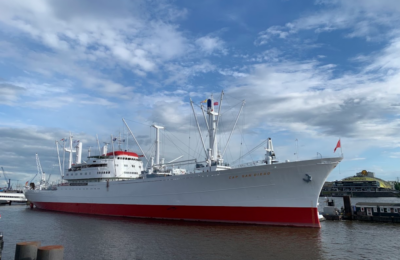
从安徽寿县黄歇墓出发,我一路被水追着,也一路追着水,走进德国的河流、港口与历史船。这不是一篇介绍船舶的文章,而是一段关于锚、船舵、明轮、远洋客轮、港口,以及流动文明的田野记录。我后来才发现,不是我选择了海事文化,而是水选择了我。 A personal fieldwork journey from the Chu homeland in Anhui, China, to Germany's rivers, ports, and historic ships. Through anchors, paddle wheels, ocean liners, and maritime museums, this article explores how water connects civilizations and why maritime culture became the heart of my research on Flow Civilization.

Weiterlesen《爱上海事文化的八个理由|从安徽淮南开始,一场与水的双向奔赴》|Why I Fell in Love with Maritime Culture | From Chu Civilization to German Ports: A Journey Guided by Water

《令尹夫人的愛船船隊》之七|风的時代

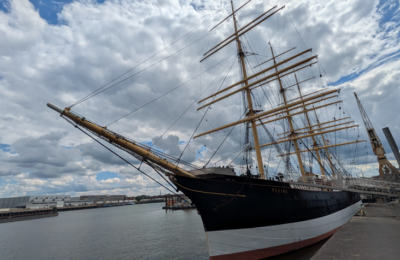
从汉堡北京号(Peking)、德国五桅全帆船 Preußen,到奥地利的 Sowitasgoht V,这篇文章走进风帆时代最后的辉煌。透过三艘不同年代的帆船,回顾远洋贸易、环球航运与横渡大西洋的发展,重新理解在人类拥有蒸汽机与柴油机之前,风如何连接世界,也如何开启现代航海文明。 This article explores three remarkable sailing ships encountered in Germany and Austria: the four-masted barque Peking, the legendary five-masted full-rigged ship Preußen, and the ocean-going yacht Sowitasgoht V. Together, they trace the final centuries of the Age of Sail and show how wind-powered navigation connected continents long before steam and diesel transformed global shipping.

Weiterlesen《令尹夫人的愛船船隊》之七|风的時代

《令尹夫人的愛船船隊》之六|博登湖船隊

从1824年的第一艘蒸汽船 GD Wilhelm 到1932年的柴油客船 MS Thurgau,本文介绍瑞士博登湖博物馆收藏的八艘代表性船舶,探讨蒸汽时代、沙龙客船、汽车渡轮与柴油动力如何共同塑造博登湖一百多年的航运历史与湖泊文明。 Discover eight historic vessels at Seemuseum Kreuzlingen, from the first steamship GD Wilhelm (1824) to the diesel-powered MS Thurgau (1932), and explore how steam navigation, saloon steamers, car ferries and diesel technology shaped more than a century of transportation and civilization on Lake Constance.

Weiterlesen《令尹夫人的愛船船隊》之六|博登湖船隊