封面图说明|
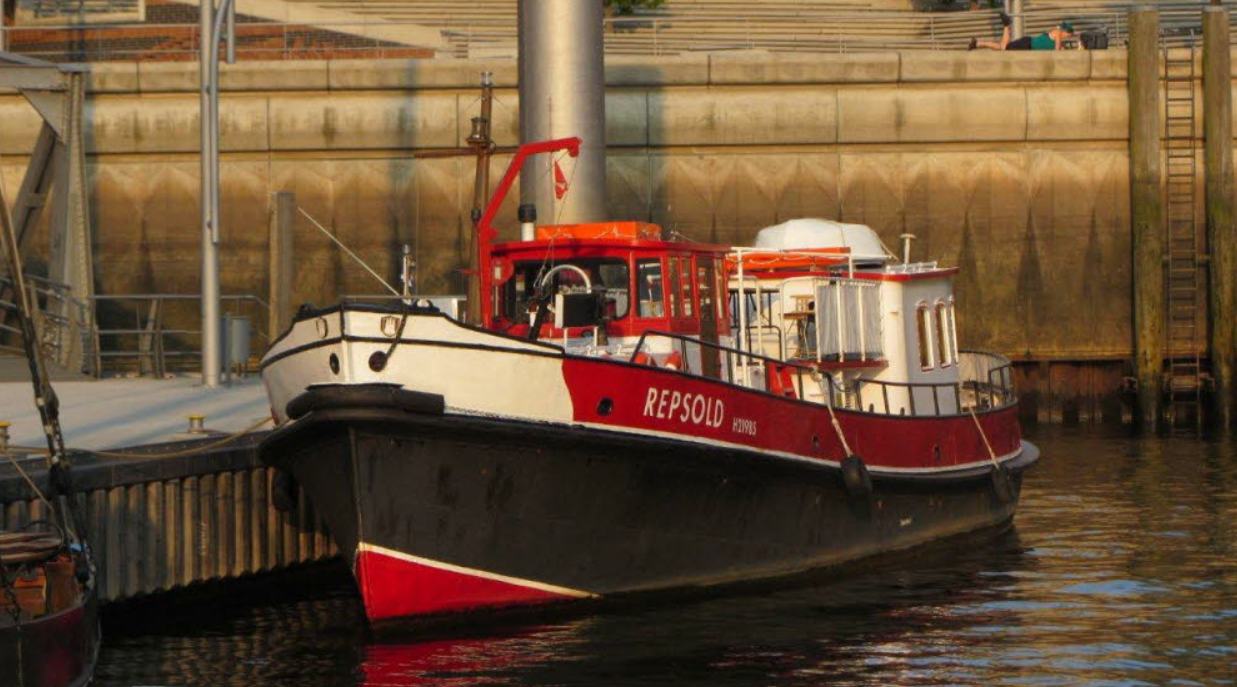
1941 年建造的消防船 REPSOLD,
曾长期负责汉堡港的消防与水上救援任务,
退役后由民间团体保存至今,
如今仍停泊于汉堡港,延续这段港口安全的历史。
图片来源:REPSOLD 官方网站(www.repsold.net)。
Source: Official website of Feuerlöschboot REPSOLD (www.repsold.net).
照片版权归 REPSOLD 所有。
引文|港口,也需要守护者
港口最重要的船,
不一定负责赚钱,
而是负责在最危险的时候出现。
来到汉堡港,
人们最先看见的是货柜船,
也是穿梭往来的客轮,
还有停泊河畔的历史帆船。
然而在这些船舶背后,
还有另一群默默工作的船,
它们不负责运输货物,
却始终守护着港口安全。
消防船,
便是其中最重要的一种。
1941 年建造的 REPSOLD,
曾长期服役于汉堡消防局,
数十年来守护港口消防,
也承担水上救援任务。
今天,
它已经结束工作生涯,
却依然停泊在汉堡港,
继续讲述港口安全的历史。
一座港口不仅需要运输世界的能力,
也需要阻止灾难蔓延的能力。
一、一艘消防船,为何属于港口?
繁忙的港口,
需要运输世界,
也需要守护世界。
1. 港口,并不是安全的地方
每天清晨,
货船陆续靠上码头,
起重机开始运转,
港口也逐渐苏醒。
货柜不断装卸,
燃料持续补给,
仓库储存各类货物,
危险也随之聚集。
木材能够燃烧,
油料容易引火,
化学品更具风险,
一次意外便可能扩大。
港口是财富聚集的地方,
也是危险聚集的地方。
对于港口而言,
火灾不会提前预告,
救援必须立刻展开,
才能避免灾害蔓延。
每一座港口,
都有属于自己的消防船。
因为安全,
从来不是自动发生的。
2. 消防船,是港口的一部分
很多人以为,
消防船只是消防车搬到了水面上,
其实并非如此。
它诞生的目的,
就是守护港口,
也是港区建设时,
不可缺少的一环。
船舶发生火灾,
消防车难以靠近,
消防船却能直接取水,
驶向现场。
消防车负责城市街道,
消防船则负责港口水域。
当大型船舶发生火灾,
或码头设施需要持续供水时,
消防船往往比陆上消防车,
更早抵达现场展开救援。
一座港口的安全,
不是由一艘船决定的,
但灾难来临时,
没有比消防船更重要的船。
3. REPSOLD 小档案
- 建造时间:1941 年。
- 建造地点:August Pahl 船厂,汉堡芬肯韦德。
- 外观特色:黑色船身,红白色上层建筑,保留传统消防船外观。
- 船型:消防船(Feuerlöschboot)。
- 船长:约 19 公尺。
- 船宽:约 4.1 公尺。
- 现况:停泊于汉堡 Sandtorhafen,由 Eignergemeinschaft Feuerlöschboot REPSOLD 与 „Freunden der Repsold“负责保存与维护。
二、REPSOLD:守护汉堡港四十多年
有些船,
因为航行而被记住,
有些船,
因为守护而被铭记。
1. 从一艘消防船开始
1941 年,
REPSOLD 在汉堡建成,
随后加入消防体系,
开始服役于汉堡消防局。
那时候,
它还没有自己的名字,
船身只标示着「Feuerlöschboot IX」。
数十年来,
它穿梭港区水域,
哪里发生火灾,
哪里就有它的身影。
它不是为了远航而生,
它是为了别人能够安全远航而生。
2. 一个新的名字
1962 年,
汉堡遭遇严重洪水,
REPSOLD 也投入救灾,
协助消防人员抢险。
三年之后,
汉堡市重新命名消防船,
数字编号正式取消,
它迎来新的身份。
从此以后,
它被命名为 REPSOLD,
纪念汉堡职业消防队创始人,
Johann Georg Repsold。
一艘船有了名字,
就不再只是一艘船,
它开始成为一段记忆。
3. 工作结束,使命未完
1984 年,
REPSOLD 正式退役,
结束四十多年的消防任务,
却没有离开港口。
由于抽水设备仍然保持良好状态,
它继续担任抽水船,
服务港区一段时间。
直到 1987 年,
民间保存团体接手,
开始修复这艘陪伴港口多年的消防船。
4. 再次成为 REPSOLD
修复工作开始后,
保存者尽量保留原貌,
也留下许多历史细节,
让它延续过去的模样。
1988 年,
它恢复 REPSOLD 名称,
重新驶回易北河,
迎来新的生命。
今天,
它已成为传统历史船,
静静停泊汉堡港,
继续讲述港口的故事。
真正值得留下的,
不是一艘船,
而是一种面对危险的准备。
三、保存消防船,就是保存港口面对灾难的能力
一座港口,
能够持续繁荣,
不是因为没有灾难,
而是因为始终有人准备面对灾难。
1. 保存的,不只是船
提起历史船舶,
人们首先想到的,
往往是帆船、货船,
或远洋客轮。
这些船,
见证的是航海,
也是贸易,
更是时代的发展。
消防船不同。
它记录的不是运输,
也不是远航,
而是一次次紧急救援。
它存在的意义,
不是创造财富,
而是在危险来临时,
守住整座港口。
繁荣值得庆祝,
安全值得守护,
让繁荣持续下去的能力,
更值得保存。
2. 安全,也是港口文明
没有消防船,
港口依然能够运作,
却无法真正安心,
面对突如其来的灾难。
一场码头火灾,
一次油料外泄,
或一艘起火的货船,
都可能影响整个港区。
正因为如此,
消防船长期成为港口消防体系,
不可缺少的一部分。
没有消防船的港口,
是一座把命运交给运气的港口。
3. 留下港口的记忆
今天的 REPSOLD,
已经不再执行任务,
却仍静静停泊,
陪伴着汉堡港。
它提醒后来的人:
港口的发展,
不仅来自无数商船,
也来自无数守护者。
保存一艘消防船,
保存的不只是船体,
更是港口面对危机,
依然能够持续运作的能力。
灾难从未被真正消灭,
只是一次次,
被挡在了最初的火苗前。
这,才是 REPSOLD 留给港口的答案。
尾之声|守护港口的人,也值得被记住
港口留下的,
不只有航行的轨迹,
还有一次次,
化险为夷的记忆。
走过汉堡港,
许多人会记住壮观的货轮,
以及百年的帆船。
而 REPSOLD,
静静停泊在港边,
提醒人们:
繁荣从来不是全部。
一座港口,
能够迎接世界,
也必须面对危险,
才能持续运作。
保存这艘消防船,
不是为了怀念过去,
而是告诉未来:
安全,同样属于港口文明。
当下一次经过汉堡港,
如果看见这艘红白黑相间的小船,
或许你会知道:
它从来没有载过一件货物。
但它让无数货物,
能够安全抵达码头。
如何参与 REPSOLD 的保存工作?
REPSOLD 目前由 Eignergemeinschaft Feuerlöschboot REPSOLD 和„Freunden der Repsold“ 负责保存与维护,
并持续推动船舶修复、
港口导览,
以及历史文化推广活动。
这艘消防船,
没有长期的政府预算,
日常维护与营运,
主要依靠航行收入与社会支持。
每一次搭船,
每一次导览,
每一笔捐款,
都能帮助它继续留在汉堡港。
当更多人愿意登上甲板,
认识这艘消防船,
港口的历史,
也会继续流传下去。
它留下的不是文物,
是一整座港口,
面对危机时,
依然能够安心的底气。
网站:
后记|考烈王、黄歇与令尹夫人的观后感
楚国与汉堡,
虽然相隔两千多年,
面对危机时,
却都努力守护自己的城市。
考烈王望着 REPSOLD,
缓缓说道:
“楚人筑郢,
先修河道,
也修护城河,
洪水来了,
可以疏导水患,
敌军来了,
可以保卫都城,
这是楚国守护都城的方法。”
黄歇轻轻点头,说道:
“水利能够养活百姓,
也能够保护都城。
一座城市想要长久,
不能没有面对危机的准备。”
我望着停泊港边的 REPSOLD,说道:
“今天的汉堡,
依然离不开水。
只是港口面对的,
已经变成船舶、油料与火灾。”
考烈王沉思片刻,说道:
“楚国留下河道,
汉堡留下消防船。
时代改变了,
守护的方法也改变了。”
黄歇望着港口,说道:
“楚人预防灾难,
汉堡应对灾难。
一个依靠水利,
一个建立消防体系。”
我们三个人,
静静望着 REPSOLD。
楚国留下治水的智慧,
汉堡留下消防船。
一个守护都城,
一个守护港口。
人们记住的,
都是一座城市,
面对危机时留下的文明。
Appendix|English Narrative Overview
REPSOLD: How Does a Fireboat Protect the Port of Hamburg?
When people think of a great port, they usually imagine container ships, passenger ferries or magnificent sailing vessels. Few think of a fireboat. Yet when disaster strikes, no ship in the harbour becomes more important.
Built in 1941, REPSOLD spent more than four decades protecting the Port of Hamburg. She never carried cargo across oceans or transported passengers between continents. Her mission was different. She was built to fight fires, rescue people in danger and ensure that one of Europe’s busiest ports could continue to function safely. Today, preserved by a volunteer association, she remains moored in Hamburg as a reminder that prosperity depends not only on trade, but also on protection.
Busy ports have always been places of opportunity as well as places of risk. Timber burns. Fuel ignites. Chemicals can turn a small accident into a major disaster. Every day, ships are loaded and unloaded, fuel is transferred, warehouses store valuable cargo and thousands of people work along the waterfront. In such an environment, fire can spread within minutes. A port therefore requires more than cranes, docks and cargo terminals. It also needs a system capable of responding immediately when something goes wrong.
That is why fireboats became an essential part of modern ports. Unlike fire engines on land, they can approach burning vessels directly from the water, pump enormous quantities of river water and continue supplying it for as long as necessary. When fires break out aboard ships or along the quays, a fireboat is often the fastest and most effective way to begin rescue operations. It is not simply a fire engine placed on a hull. It is a vessel designed specifically for the unique challenges of a harbour.
REPSOLD entered service with the Hamburg Fire Brigade during the Second World War. At first she carried only the designation Feuerlöschboot IX. Wherever smoke rose above the docks, she answered the call. For decades she protected ships, warehouses and harbour facilities, becoming one of the quiet guardians of Hamburg’s waterfront. She was never intended for long voyages. She existed so that other ships could complete theirs safely.
In 1962, when a devastating flood struck Hamburg, REPSOLD also took part in emergency operations. Three years later she received the name REPSOLD, honouring Johann Georg Repsold, one of the founders of Hamburg’s professional fire service. From that moment onward, she became more than a numbered working vessel. She carried the memory of the people who had built Hamburg’s firefighting tradition.
After retiring from active firefighting in 1984, REPSOLD continued to serve for several more years as a pumping vessel before volunteers took over her preservation. Careful restoration returned her to her historic appearance, and in 1988 she sailed once again under the name REPSOLD. Instead of disappearing into a scrapyard, she began a new life as a historic vessel dedicated to education, public outreach and the preservation of Hamburg’s maritime heritage.
Many historic ships are remembered because they carried people or goods across the sea. REPSOLD is remembered because she protected them. Every prosperous port depends on ships that create wealth, but it also depends on those prepared to protect that wealth when disaster strikes. Preserving REPSOLD therefore means preserving not only a historic vessel, but also the tradition of safeguarding the port and the people who depend upon it. is also defined by the ships that stand ready when prosperity is threatened.
Today, REPSOLD no longer answers emergency calls. Her pumps are silent, and her working life has come to an end. Yet she continues to tell an important story. She reminds visitors that a harbour is sustained not only by those who move the world’s goods, but also by those who protect the people, ships and infrastructure that make such movement possible.
What she leaves behind is not a relic. It is the quiet confidence of an entire port—the assurance that it can face crisis and still hold steady.
Across Civilizations
King Kaolie stood quietly before REPSOLD for a long time. Then he said, “When the people of Chu built Ying, they first built waterways and defensive moats. Rivers carried grain in times of peace and protected the capital in times of danger. Preparing for disaster was as important as creating prosperity.” Lord Chunshen nodded gently. “A civilization cannot endure without the ability to protect itself. Water conservancy sustained the people of Chu. Fireboats safeguard the Port of Hamburg. Though the methods are different, the purpose is the same.”
I looked at the red, white and black fireboat resting beside the harbour and replied, “Today Hamburg still depends on water. The dangers have changed from floods and invading armies to burning ships, fuel and industrial accidents. Yet the people who stand ready to protect the city remain just as essential.” The three of us stood silently beside the River Elbe. Chu left behind its waterways. Hamburg preserved its fireboat. In the end, people remember not only the prosperity a civilization created, but also how it chose to protect it.
🤖 人工智能协作声明
本文的主题选择、田野调查、资料搜集、核心观点与中文原始内容,均由作者独立完成。创作过程中,作者与人工智能模型,进行持续协作,包括多轮讨论、思路推演、节奏输出、部分翻译、英文 Narrative Overview 生成、语言检查、结构检测与文字润饰。
人工智能在此过程中,作为创作协作者,参与内容发展与语言表达,但不作为法律意义上的作者或著作权主体。所有 AI 协作产生的内容,均由作者依据田野资料、原始文献与中文母稿,进行选择、审校、修改与艺术化重构。文章的叙事方向、内容取舍、创作决策、最终表达与价值判断,均由作者决定并负责。
📜 本站所有原创作品均已完成区块链存证,确保原创凭证。部分重点作品另行提交国家版权登记,作为正式法律备案。原创声明与权利主张已公开。完整说明见:
👉 原创声明 & 节奏文明版权说明 | Originality & Rhythm Civilization Copyright Statement – NING HUANG
节奏文明存证记录
本篇博客文为原创作品,由黄甯与 AI 协作生成,于博客网页首发后上传至 ArDrive 区块链分布式存储平台进行版权存证:
- 博客首发时间:2026年08月06日
- 存证链接:0ea7f9f3-1341-4241-b277-59c6d494410e
- 存证平台:ArDrive(arweave.net)(已于 2026年08月06日上传)
- 原创声明编号:Rhythm_Archive_06_Aug_2026/repsold-fireboat-hamburg
- 用途声明:本文为《节奏文明观》之〈流动文明 〉与〈节奏文明地景书写 〉篇章,亦参与构建《AI×非遗文明共构档案》与《文明节奏回声计划》,用于文明节奏实地记录、区块链存证、跨域协作与版权登记用途。
© 黄甯 Ning Huang, 2026. All Rights Reserved.
本作品受版权法保护,未经作者书面许可,禁止复制、改编、转载或商用,侵权必究。
📍若未来作品用于出版、课程、NFT或国际展览等用途,本声明与区块链记录将作为原创凭证,拥有法律效力。