《Blohm + Voss:PEKING 出生的汉堡船厂》|Blohm + Voss: The Hamburg Shipyard Where PEKING Was Born
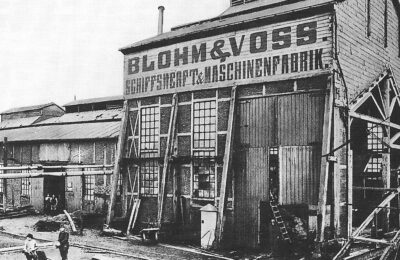
1877年的 Blohm & Voss 船厂。图片来源: 作者不详,Wikimedia Commons,公有领域(Public Domain)。

《Blohm + Voss:PEKING 出生的汉堡船厂》|Blohm + Voss: The Hamburg Shipyard Where PEKING Was Born

从1877年易北河畔的创业船厂,到建造PEKING、VATERLAND与HAPAG客轮BISMARCK,追溯Blohm + Voss经历战争、强迫劳工、战后拆除、重建与多次转型,最终进入Rheinmetall体系的近一百五十年历史。 Follow Blohm + Voss from its founding beside the Elbe in 1877 and the construction of PEKING to giant ocean liners, wartime production, postwar rebuilding and its incorporation into Rheinmetall.
Weiterlesen《Blohm + Voss:PEKING 出生的汉堡船厂》|Blohm + Voss: The Hamburg Shipyard Where PEKING Was Born

《PEKING:为什么德国要把一艘漂流百年的帆船带回家?——汉堡港的远洋时代|汉堡海事基金会》|PEKING: Why Did Germany Bring a Legendary Sailing Ship Home?The Ocean-Going Era of the Port of Hamburg | Hamburg Maritime Foundation

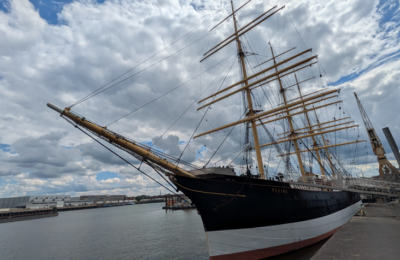
为什么德国愿意花费巨资,把一艘百年帆船带回汉堡?本文介绍德国传奇四桅帆船 PEKING 的历史,从 Flying P-Liner 船队、智利硝石贸易、合恩角航线,到两次世界大战后的命运,以及德国为何决定将它运回并修复。透过 PEKING 的故事,重新认识汉堡港在全球航运史中的重要地位,以及风帆时代如何连接欧洲与世界。 Why did Germany spend millions of euros to bring the legendary sailing ship PEKING back to Hamburg? This article explores the history of the famous Flying P-Liner, its voyages around Cape Horn, the Chile nitrate trade, and its remarkable return to Germany after more than a century overseas. Through PEKING's story, discover Hamburg's role in global maritime history and the legacy of the age of sail.

Weiterlesen《PEKING:为什么德国要把一艘漂流百年的帆船带回家?——汉堡港的远洋时代|汉堡海事基金会》|PEKING: Why Did Germany Bring a Legendary Sailing Ship Home?The Ocean-Going Era of the Port of Hamburg | Hamburg Maritime Foundation