节奏文明观的形成过程。
从身体经验、实践路径到结构理解,
这些文字记录了一种理论如何在生活与行动中逐渐长出。
Practice and Theory of Rhythm Civilization.
This section traces how ideas emerge from lived experience,
where practice, perception and reflection gradually shape a civilizational framework.
这篇〈模组型体质的学习法〉是我第一次认真回望,我这一生到底是怎样学习的。事实上,我的学习并不是只有直觉,也不是不用头脑,而是:身体先感到,头脑才开始理解;直觉先开门,思考随后把结构建起来。每当我进入一个陌生领域,我不是从概念开始,而是从感受与节奏开始——一旦身体抓到节奏,头脑便能迅速组织、推理、整合。无论是乐器、戏曲、香气、工艺、文学,或是楚文明的六十篇写作,我的路径始终一样:感知点亮入口,思考完成结构,文明在两者之间自动显形。我终于明白:我学习的不只是知识,而是世界如何运作。
This essay is my first honest attempt to understand how I have learned throughout my life. My learning has never been purely intuitive, nor purely intellectual. The order is simply different: the body senses first, and the mind understands afterward. Intuition opens the door; thinking builds the structure. Whenever I enter a new field, I do not begin with concepts but with sensation and rhythm—once my body catches the rhythm, my mind can quickly organize, reason, and integrate. Whether in instruments, opera, scent, craft, literature, or the sixty essays on Chu civilization, the pattern remains constant: sensation lights the entry, intellect completes the architecture, and the structure of a civilization emerges between the two. Only now do I realize that I was never learning “knowledge” alone—I was learning how the world works.
这是一篇以《楚居》的逻辑重新阅读人生的个人叙事:七所大学、七个科系、七座城市、七种工艺、七种乐器的迁徙与学习经验。那些曾被视为“分散”的路径——学业、城市、工艺、音乐——在楚人的徙居节奏中重新排版,显现为一个非线性学习者独特的生命结构。由此展开一条“迁徙与文明回归”的路径:漂泊不再是迷失,而是一种自我命名的方式,让生命的多声部共同指向同一个根。
This essay rereads a life through the logic of Chu-Ju: seven universities, seven disciplines, seven cities, seven crafts, and seven musical instruments—each a trace of migration and learning. What once appeared as scattered paths—academia, geography, craft, and music—rearranges itself through the Chu rhythm of continual relocation, revealing the underlying structure of a nonlinear learner’s life. From this emerges a journey of migration and civilizational return: wandering becomes not a sign of being lost, but a form of self-naming, allowing the many voices of a life to point toward the same root.
从楚巫到湘夫人,从兮总到楚国郡主,途中还有“荆楚楚”与“楚留香”的戏称。这些称谓,并非装饰,而是我在楚地被一一唤起的文化身份。它们最终汇聚成《楚人花名册》——一部散落之名的回声谱,一场祖源与文明的归返。From the Chu shaman to Lady Xiang, from Xi Zong to the Princess of Chu — along the way came playful names like "Jing Chu Chu" and "Chu Liuxiang." These titles were not ornaments, but cultural identities awakened one by one as I traveled through the land of Chu. Together they formed "The Register of Chu People" — a resonance chart of scattered names, a return of ancestry and civilization. /
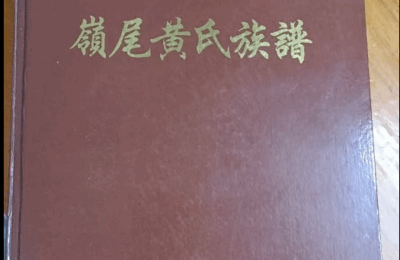
在台湾的一场饭局上,因友人无意的提起,我才从家族族谱中确认:我黄家属江夏堂,始祖正是楚国春申君黄歇。原来我为《楚辞》谱曲、唱《湘夫人》,并非附身,而是族谱早有记载。这是一场文化的归位,一次祖灵的呼唤,一首写给楚文明的回声小调。During a dinner in Taiwan, a friend's casual remark led me to confirm in my family genealogy that the Huang lineage belongs to the Jiangxia Hall, and that our ancestor was Huang Xie, Lord Chunshen of Chu. I realized that composing for the "Chu Ci" and singing "Lady Xiang" was never possession — it had already been written in the family register. It was an act of cultural return, a call of ancestral spirit, a small song of echo written for Chu civilization.
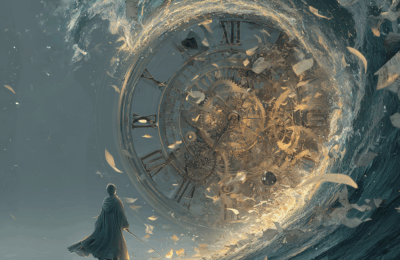
这不是一篇试图解释世界的文章,而是一种节奏的回归。《节奏文明观》不是理论宣言,也不是知识工具。它更像是一种温柔的提醒——在过快的时代里,是否还有一种语言,可以慢下来?一种写作,可以与身体同步?一种文明,还记得如何呼吸?从节拍器的“滴答”,到《九歌》的神名低吟,这篇文章走过物理、身体、技术与记忆的节奏路径。它不是要你相信什么,而是邀请你——在某个片刻,停下来,感受自己的步伐、语气与呼吸。如果这些节奏与你产生一点点回声,那便足够。愿这篇文字,不是答案,而是一次与你内在节拍相遇的小小试炼。This is not an essay that tries to explain the world, but a return to rhythm. Rhythm Civilization View is not a theoretical manifesto, nor a tool of knowledge. It is more like a gentle reminder — in an age that moves too fast, is there still a language that allows us to slow down? A way of writing that moves with the body? A civilization that still remembers how to breathe?
From the ticking of a metronome to the murmured names of The Nine Songs, this text walks through the rhythmic paths of matter, body, technique, and memory. It does not ask you to believe in anything; instead, it invites you — at some moment — to pause, to sense your own pace, tone, and breath. If these rhythms spark even a faint resonance within you, that is enough. May this piece of writing not be an answer, but a small encounter with your own inner rhythm.