从港口、
历史船舶、
船厂、
海事博物馆、
仓库、
码头到港湾空间,
我观察德国如何保存海事文化遗产,
并让这些曾经服务贸易、
航运与港口运作的设施,
持续成为城市文化与公共记忆的一部分。
这里不仅记录一艘船、
一座港口或一间博物馆,
也记录围绕它们形成的海事生态,
包括港口历史、
造船工业、
航运技术、
志愿协会、
文化保存与公众教育。
从仍然航行的百年船舶,
到保存完整的港区与历史建筑,
我记录德国如何透过海事文化遗产,
理解港口的发展,
认识城市的形成,
并延续人与海洋之间数百年的联系。
English
From ports,
historic ships,
shipyards,
maritime museums,
warehouses,
docks and waterfronts,
I explore how Germany preserves its maritime cultural heritage,
transforming places once built for trade,
shipping and harbour operations into living spaces of culture,
education and public memory.
This series is not only about individual ships,
ports or museums,
but also about the maritime ecosystem surrounding them,
including port history,
shipbuilding,
navigation,
volunteer organisations,
heritage conservation and public engagement.
From century-old vessels still in operation
to historic harbour districts and preserved industrial landscapes,
this fieldwork documents how Germany’s maritime heritage helps explain the development of its ports,
the growth of its cities,
and the enduring relationship between people and the sea.
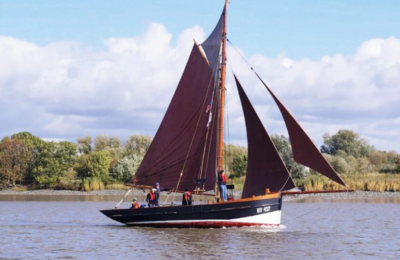
Elbfischkutter GRETA,图片来源:汉堡海事基金会 (Stiftung Hamburg Maritim)。
为什么汉堡至今仍让年轻人学习驾驶一艘百年木帆船?本文介绍易北河渔船 GRETA 的历史、修复与航海教育工作,探索汉堡为何持续让这艘百年木帆船航行,以及如何透过实践传承传统帆船技艺、木船维护知识与海事文化。
Why does Hamburg still teach young people to sail a century-old wooden boat? This article explores the history, restoration and educational mission of the Elbe fishing cutter GRETA, explaining why Hamburg keeps this historic wooden boat sailing and how traditional sailing skills, wooden ship maintenance and maritime heritage continue to be passed on through hands-on practice.
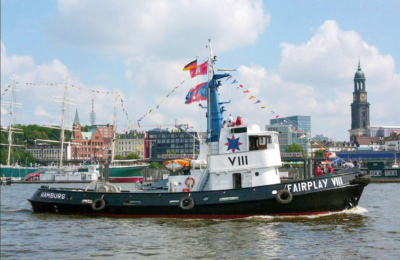
Schlepper FAIRPLAY VIII,图片来源:汉堡海事基金会(Stiftung Hamburg Maritim)
为什么大型货轮,最后仍需要一艘小小的拖船协助靠岸?本文介绍汉堡历史拖船 FAIRPLAY VIII 的建造、技术特色、服役历史与保存工作,探索汉堡为何保存一艘港口拖船,以及拖船如何成为汉堡港后台运作的重要力量。
Why do large cargo ships still rely on small tugboats when entering port? This article explores the history, technology and preservation of FAIRPLAY VIII, explaining why Hamburg preserves this historic harbour tug and how tugboats remain an essential part of the Port of Hamburg's backstage operations.
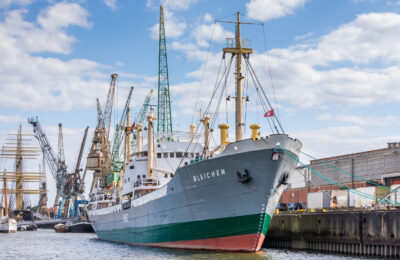
BLEICHEN 停泊于德国港口博物馆(Deutsches Hafenmuseum Hamburg)。图片来源:Raimond Spekking/Wikimedia Commons,CC BY-SA 4.0。
BLEICHEN 为什么值得德国保存?这艘 1958 年建造的杂货船,长期运输纸张、木材等北欧货物,见证货柜化以前汉堡港的日常物流。本文介绍 BLEICHEN 的历史、Ice Class 1A 冰级设计、纸张运输链,以及德国如何透过历史船保存港口城市与工业文明的集体记忆。
Why does Germany preserve BLEICHEN? This 1958 general cargo ship once transported paper, timber and other Nordic goods, preserving the everyday logistics of pre-container Hamburg. Discover her history, Ice Class 1A design, paper trade and how Germany safeguards maritime heritage through an operational museum ship.
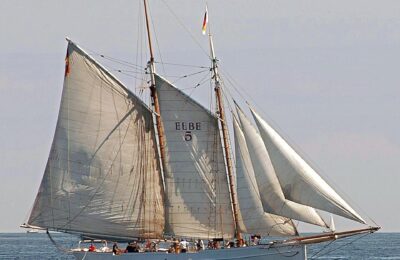
No. 5 Elbe,现由汉堡海事基金会(Stiftung Hamburg Maritim)保存。图片来源:Nordevent GmbH,via Wikimedia Commons,CC BY-SA 2.0。
No. 5 ELBE 是 1883 年建造的引航纵帆船,也是汉堡现存最古老、仍具适航能力的木制帆船之一。本文介绍汉堡引航制度、No. 5 ELBE 的三次人生,以及德国如何透过修复、志工与文化保存,让一艘百年工作船继续航行。
Discover the story of No. 5 ELBE, Hamburg's historic pilot schooner built in 1883. This article explores the history of pilotage on the River Elbe, the vessel's remarkable three lives, and how Germany preserves maritime heritage through restoration, volunteer commitment and living tradition.
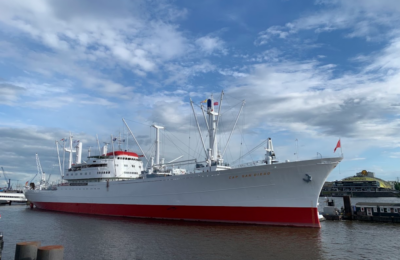
为什么汉堡要保存世界最大的可航行博物馆货船 Cap San Diego?本文介绍 Hamburg Süd 著名的 Cap San 系列,解析传统杂货船如何运作,以及货柜革命如何彻底改变全球物流系统,并探讨德国为何选择保留这艘传奇货船,见证二十世纪远洋贸易与工业文明的重要历史。
Why does Hamburg preserve Cap San Diego, the world's largest operational museum cargo ship? This article explores the history of the famous Hamburg Süd vessel, explains how conventional cargo shipping worked before containerization, and examines why Germany chose to preserve this remarkable witness to twentieth-century global trade and industrial civilization.
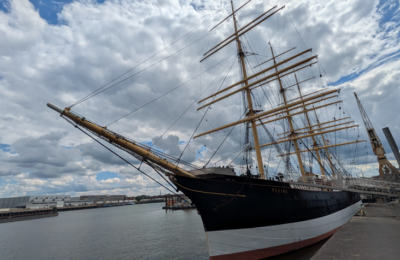
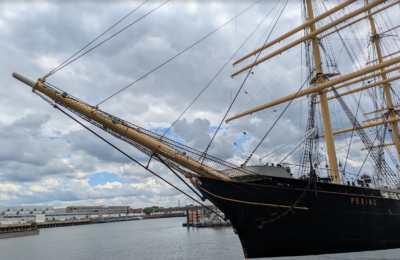
为什么德国愿意花费巨资,把一艘百年帆船带回汉堡?本文介绍德国传奇四桅帆船 PEKING 的历史,从 Flying P-Liner 船队、智利硝石贸易、合恩角航线,到两次世界大战后的命运,以及德国为何决定将它运回并修复。透过 PEKING 的故事,重新认识汉堡港在全球航运史中的重要地位,以及风帆时代如何连接欧洲与世界。
Why did Germany spend millions of euros to bring the legendary sailing ship PEKING back to Hamburg? This article explores the history of the famous Flying P-Liner, its voyages around Cape Horn, the Chile nitrate trade, and its remarkable return to Germany after more than a century overseas. Through PEKING's story, discover Hamburg's role in global maritime history and the legacy of the age of sail.
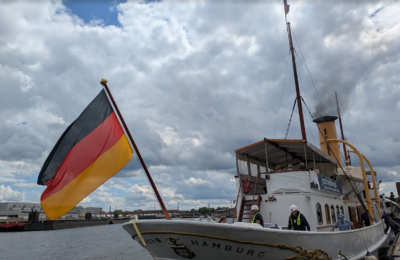
为什么汉堡仍然让百年蒸汽船 Schaarhörn 继续航行?本文介绍汉堡港的发展、测量船的历史、蒸汽动力的运作原理,以及汉堡如何透过一艘仍在航行的蒸汽船,保存工业时代的技术、港口文化与历史记忆。
Why is the 1908 steamship Schaarhörn still sailing today? Discover the history of Hamburg's survey vessel, how steam propulsion works, and how Hamburg preserves industrial heritage by keeping a historic steamship alive on the River Elbe.
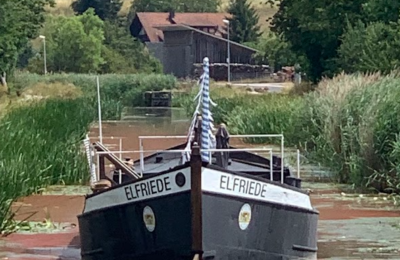
德国巴伐利亚 Burgthann 的 Elfriede,是一艘仍由马匹拖曳航行的近百年运河货船。透过船长、船员与纤马的第一手田野观察,记录开船前四十五分钟的准备工作、德国纤船文化,以及一项仍然活着的运河文化遗产。
Discover Elfriede, a nearly century-old horse-drawn canal boat still operating on Bavaria's historic Ludwig–Danube–Main Canal. Through first-hand fieldwork, this article documents the hidden preparations before departure, the traditions of German horse-drawn navigation, and the people who continue to preserve this remarkable living canal heritage.
从安徽寿县黄歇墓出发,我一路被水追着,也一路追着水,走进德国的河流、港口与历史船。这不是一篇介绍船舶的文章,而是一段关于锚、船舵、明轮、远洋客轮、港口,以及流动文明的田野记录。我后来才发现,不是我选择了海事文化,而是水选择了我。
A personal fieldwork journey from the Chu homeland in Anhui, China, to Germany's rivers, ports, and historic ships. Through anchors, paddle wheels, ocean liners, and maritime museums, this article explores how water connects civilizations and why maritime culture became the heart of my research on Flow Civilization.
从汉堡北京号(Peking)、德国五桅全帆船 Preußen,到奥地利的 Sowitasgoht V,这篇文章走进风帆时代最后的辉煌。透过三艘不同年代的帆船,回顾远洋贸易、环球航运与横渡大西洋的发展,重新理解在人类拥有蒸汽机与柴油机之前,风如何连接世界,也如何开启现代航海文明。
This article explores three remarkable sailing ships encountered in Germany and Austria: the four-masted barque Peking, the legendary five-masted full-rigged ship Preußen, and the ocean-going yacht Sowitasgoht V. Together, they trace the final centuries of the Age of Sail and show how wind-powered navigation connected continents long before steam and diesel transformed global shipping.