从港口、
历史船舶、
船厂、
海事博物馆、
仓库、
码头到港湾空间,
我观察德国如何保存海事文化遗产,
并让这些曾经服务贸易、
航运与港口运作的设施,
持续成为城市文化与公共记忆的一部分。
这里不仅记录一艘船、
一座港口或一间博物馆,
也记录围绕它们形成的海事生态,
包括港口历史、
造船工业、
航运技术、
志愿协会、
文化保存与公众教育。
从仍然航行的百年船舶,
到保存完整的港区与历史建筑,
我记录德国如何透过海事文化遗产,
理解港口的发展,
认识城市的形成,
并延续人与海洋之间数百年的联系。
English
From ports,
historic ships,
shipyards,
maritime museums,
warehouses,
docks and waterfronts,
I explore how Germany preserves its maritime cultural heritage,
transforming places once built for trade,
shipping and harbour operations into living spaces of culture,
education and public memory.
This series is not only about individual ships,
ports or museums,
but also about the maritime ecosystem surrounding them,
including port history,
shipbuilding,
navigation,
volunteer organisations,
heritage conservation and public engagement.
From century-old vessels still in operation
to historic harbour districts and preserved industrial landscapes,
this fieldwork documents how Germany’s maritime heritage helps explain the development of its ports,
the growth of its cities,
and the enduring relationship between people and the sea.
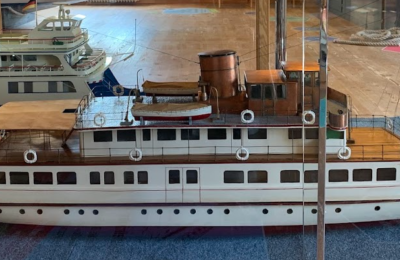
从1824年的第一艘蒸汽船 GD Wilhelm 到1932年的柴油客船 MS Thurgau,本文介绍瑞士博登湖博物馆收藏的八艘代表性船舶,探讨蒸汽时代、沙龙客船、汽车渡轮与柴油动力如何共同塑造博登湖一百多年的航运历史与湖泊文明。
Discover eight historic vessels at Seemuseum Kreuzlingen, from the first steamship GD Wilhelm (1824) to the diesel-powered MS Thurgau (1932), and explore how steam navigation, saloon steamers, car ferries and diesel technology shaped more than a century of transportation and civilization on Lake Constance.
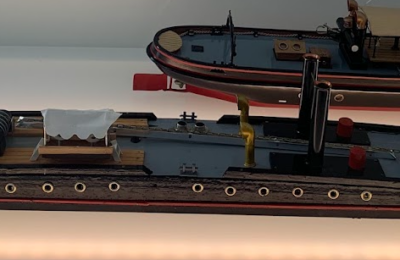
真正推动文明向前的,不一定是最耀眼的船,而是那些默默工作的船。本篇走访汉堡、杜伊斯堡、海尔布隆与斯图加特,介绍 Buffalo、Cordillera、Cap San Diego、Oscar Huber、Tauerei Ruhrort 与 Marina 六艘德国工作船。从能源、食物、贸易到内河运输,它们共同见证了德国工业文明如何一步一步建立,也让人重新思考:真正推动世界运转的力量,往往隐藏在最不起眼的地方。
What truly drives civilization forward is not always the most famous ship, but the working vessels that quietly keep the world moving. Based on fieldwork in Hamburg, Duisburg, Heilbronn and Stuttgart, this article introduces six German working ships—Buffalo, Cordillera, Cap San Diego, Oscar Huber, Tauerei Ruhrort and Marina. From energy and food transport to global trade and inland navigation, they reveal how Germany's industrial civilization was built through countless unseen efforts and innovative engineering.
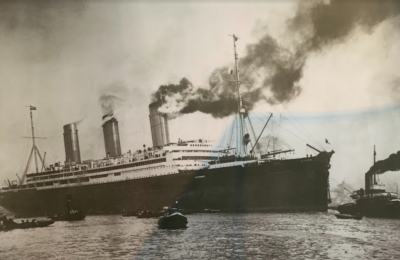
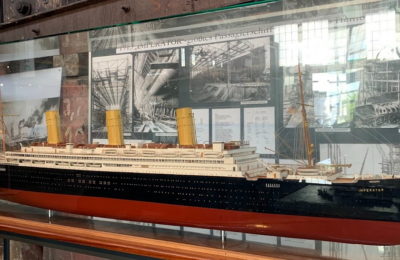
《令尹夫人的爱船船队》之四《远洋客轮的黄金年代(三):战争与命运》以 Imperator、Gotha、Monte Olivia、Cap Arcona 与 Queen Mary 五艘远洋客轮为主线,探讨战争如何改变船只的名字、航线、身份、生命与时代,也回望二十世纪远洋客轮黄金年代的终章。
The third article in the Golden Age of Ocean Liners series follows five famous passenger ships—Imperator, Gotha, Monte Olivia, Cap Arcona and Queen Mary—to explore how war transformed their names, routes, identities and destinies, marking the end of the great era of transatlantic ocean liners.
从 City of Santiago、Gotha 到 Monte Olivia、Cap Arcona 与 Queen Mary,五艘远洋客轮如何连接欧洲、南美与北大西洋,并让航线、旅行与世界逐渐改变。
From City of Santiago to Queen Mary, five ocean liners reveal how maritime routes connected Europe, South America and the North Atlantic, transforming travel and the world.
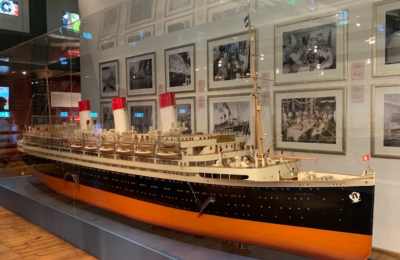
从 Lahn、Cap Polonio、Columbus、Bremen 到 Milwaukee,本文走访德国多座海事与移民博物馆,追寻德国远洋客轮黄金时代的发展历程。从移民航线到蓝丝带竞赛,从速度、工业到旅游文明,每一艘船都承载着一个时代驶向世界的梦想。
From Lahn and Cap Polonio to Columbus, Bremen and Milwaukee, this article explores the golden age of German ocean liners through museums in Hamburg and Bremerhaven. More than passenger ships, these liners carried migration, technology, trade and the dream of reaching the wider world.
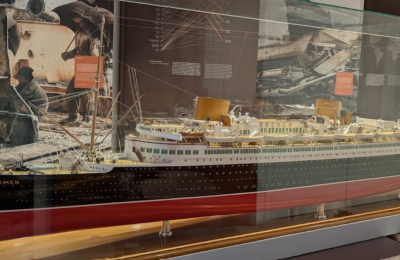
2026 年,我在德国港口与航运博物馆展开了一场特别的收藏。从汉堡港口博物馆的 Imperator(皇帝号),到杜伊斯堡内河航运博物馆与 BallinStadt 的皇室之船,这四艘以德国皇室命名的船,见证了帝国、河流、航运与现代旅行的发展,也开启了"令尹夫人的爱船船队"。
On my museum journey through Germany, four royal ships changed the way I look at navigation. From the legendary Imperator to inland paddle steamers and the world's first purpose-built cruise ship, this article explores how royal names, rivers and ocean liners shaped modern maritime civilization—and the beginning of my own ship collection.
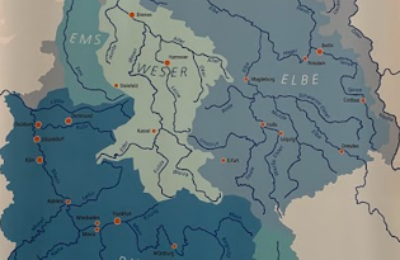
德国为什么拥有欧洲最发达的内河航运网络?本文走进杜伊斯堡德国内河航运博物馆,从河流、运河、船闸、船舶、水上人家到欧洲最大的内河港,认识德国如何把一条条河流连接成覆盖全国的水路网络,并透过内河航运推动工业、港口、城市与欧洲物流的发展。
Why does Germany have one of Europe's most advanced inland waterway networks? This article visits the German Inland Waterways Museum in Duisburg to explore how rivers, canals, locks, inland vessels, and life aboard ships formed an integrated transport system. It also explains how Duisburg, Europe's largest inland port, connects Germany's waterways, industry, logistics, and the wider European network.
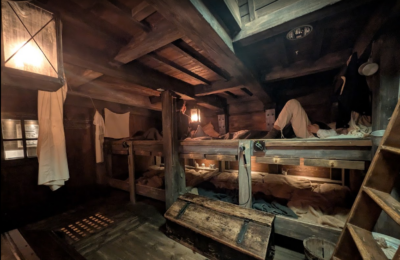
《海上的移民生活》走进德国不来梅哈芬德国移民之家博物馆,跟随一位真实移民的身份卡,从候船大厅、远洋客轮、海上生活到艾利斯岛检查站,重新走过十九、二十世纪欧洲移民跨越大西洋的旅程。文章记录博物馆沉浸式展示、海上生活与移民制度,呈现六周到十五周远洋航程,以及移民抵达新大陆之前所经历的人生历程。
Life at Sea for Immigrants follows the immersive exhibition of the German Emigration Center in Bremerhaven through the identity card of a real emigrant. Beginning in the waiting hall and continuing through the departure pier, the ocean voyage, life aboard the ship, and Ellis Island, the article retraces the transatlantic journey of European emigrants in the nineteenth and twentieth centuries. It documents the museum's immersive exhibition, daily life at sea, and the immigration procedures that shaped the experience of migration before the beginning of a new life in a new continent.
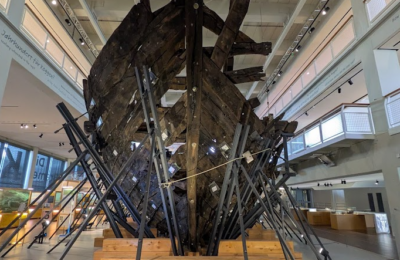
德国航海博物馆收藏着著名的不来梅柯格船,也记录着德国造船业数百年的发展历程。从汉萨商船的文化记忆,到放样楼、焊接车间与下水典礼,再到工会、移民工人与现代船厂转型,这篇文章关注的不是船如何航行,而是船如何被造出来,以及那些让船得以诞生的人。
The German Maritime Museum in Bremerhaven preserves the famous Bremen Cog and documents centuries of shipbuilding history. From the cultural memory of Hanseatic ships to lofting floors, welding workshops, launch ceremonies, trade unions, migrant workers, and the transformation of modern shipyards, this article explores not how ships sail, but how they are built—and the people who make them possible.
五百万人离开欧洲,不是五百万次偶然。从故乡到纽约,从中间舱到 Ellis Island,BallinStadt 移民博物馆讲述的不只是一场移民潮,更是 Albert Ballin 如何将船票、航线、住宿、检查与港口组织成一套跨越大西洋的人口流动网络,以及五百万个名字如何穿越海洋与时间,被后人重新找到。
More than five million people left Europe through Hamburg, but their journeys were not acts of chance. From steerage cabins and transatlantic routes to Ellis Island inspections, BallinStadt reveals how Albert Ballin helped organize one of the largest migration networks in modern history—and how five million names continue to connect descendants with their past across generations.