在欧洲的博物馆、
河流、
铁路、
港口、
工业遗产与日常生活现场之间,
我尝试进入一个工业文明的运行现场。
这里不仅有交通工具,
也有河道、
桥梁、
能源、
维修、
制造、
迁移与长期维护。
从车站、
水路、
工厂、
博物馆到各种文明后台,
我记录一个老工业文明,
如何在转型、
迟缓与重新协调之中,
继续维持它的流动能力。
Across museums, rivers, railways, ports, industrial heritage sites, and everyday landscapes across Europe,
I enter the operational field of an industrial civilization.
This is not only about mobility,
but also about waterways, bridges, energy systems, maintenance, production, migration and long-term stewardship.
From stations, waterways, factories and museums
to the hidden backstages of civilization,
this fieldwork explores how an aging industrial civilization
continues to sustain its capacity for movement amid transformation, slowdown and reorganization.
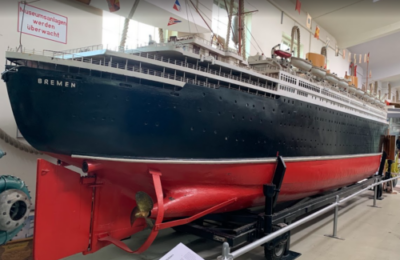
在德国 Speyer 科技博物馆里,我第一次真正把蒸汽火车、船、潜艇与国际空间站放进同一条文明线里。从楚国水路、到蒸汽火车、到太空站,人类始终都在学习同一件事:如何在离开原本环境之后,继续维持流动与生命。
At the Technik Museum Speyer in Germany, I placed steam locomotives, ships, submarines, and the International Space Station into the same civilizational line for the first time. From the waterways of Chu, to steam locomotives, to orbital stations, humanity has been learning the same lesson: how to sustain movement and life after leaving its original environment.
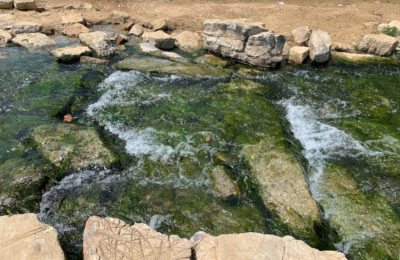
从楚地迁都,到现代主体的水域迁移,《令尹夫人迁都记》以“后台”“流动”与“维修”为线索,重新思考文明为何冻结、又如何通过空间迁徙继续呼吸。文章结合楚文明、铁路后台、寿春水系与个人田野经验,讨论低流动系统、文明迁徙与主体重新生成的可能。
From the migration of the Chu capital to the relocation of contemporary subjectivity, Lady Lingyin’s Chronicle of Migration rethinks how civilizations freeze — and how they continue breathing through spatial movement. Through the lenses of backstage systems, flow, maintenance, railway infrastructures, and Chu civilization fieldwork, the essay explores low-flow systems, civilizational migration, and the regeneration of subjectivity.