非遗|Living Heritage
在节庆、
工艺、
音乐、
舞蹈与地方生活之间,
我寻找那些仍然活在人群之中的文化记忆。
这些传统不是静止的遗产,
而是在日常实践中不断延续、
变化与传承的生活节奏。
Through festivals,
crafts,
music,
dance and local ways of life,
I explore cultural memories that continue to live among people today.
These traditions are not static heritage,
but living rhythms that are continually practiced,
adapted and passed on across generations.
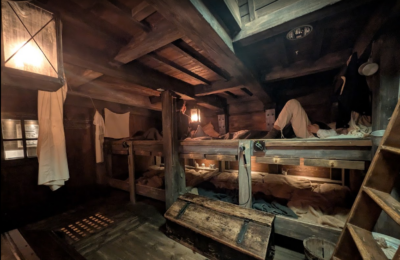
《海上的移民生活》走进德国不来梅哈芬德国移民之家博物馆,跟随一位真实移民的身份卡,从候船大厅、远洋客轮、海上生活到艾利斯岛检查站,重新走过十九、二十世纪欧洲移民跨越大西洋的旅程。文章记录博物馆沉浸式展示、海上生活与移民制度,呈现六周到十五周远洋航程,以及移民抵达新大陆之前所经历的人生历程。
Life at Sea for Immigrants follows the immersive exhibition of the German Emigration Center in Bremerhaven through the identity card of a real emigrant. Beginning in the waiting hall and continuing through the departure pier, the ocean voyage, life aboard the ship, and Ellis Island, the article retraces the transatlantic journey of European emigrants in the nineteenth and twentieth centuries. It documents the museum's immersive exhibition, daily life at sea, and the immigration procedures that shaped the experience of migration before the beginning of a new life in a new continent.
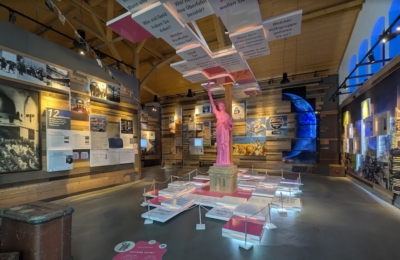
五百万人离开欧洲,不是五百万次偶然。从故乡到纽约,从中间舱到 Ellis Island,BallinStadt 移民博物馆讲述的不只是一场移民潮,更是 Albert Ballin 如何将船票、航线、住宿、检查与港口组织成一套跨越大西洋的人口流动网络,以及五百万个名字如何穿越海洋与时间,被后人重新找到。
More than five million people left Europe through Hamburg, but their journeys were not acts of chance. From steerage cabins and transatlantic routes to Ellis Island inspections, BallinStadt reveals how Albert Ballin helped organize one of the largest migration networks in modern history—and how five million names continue to connect descendants with their past across generations.
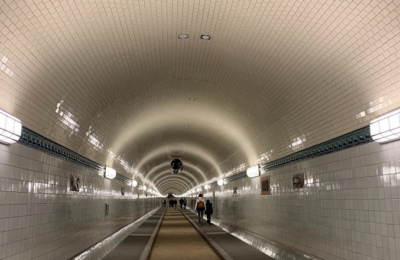
1911年启用的老易北河隧道,并不是为了船只或货物而建,而是为了每天往返汉堡港的工人而建。在易北河河床下方二十一公尺,白色磁砖、鱼形浮雕与百年电梯至今仍在使用。这条人行通道见证了港口扩张、工程冒险、战争轰炸与百年修复,也提醒人们:港口的繁荣在水面上,而维持流动的人,曾经在河底挖出一条路。
Opened in 1911, the Old Elbe Tunnel was built not for ships or cargo, but for the thousands of workers travelling daily to Hamburg’s port. Twenty-one metres beneath the Elbe River, its white tiles, fish reliefs, and century-old elevators are still in use today. The tunnel has witnessed port expansion, engineering challenges, war damage, and extensive restoration, reminding us that while prosperity appears on the water’s surface, the people who made movement possible once dug a road beneath the riverbed.
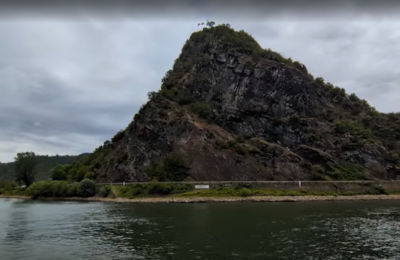
从科布伦茨莱茵博物馆、St. Goar、罗蕾莱到莱茵河航程,本次田野重新认识欧洲最重要的河流之一。莱茵河不仅创造了鱼类、渔业、城堡、神话与航运,也通过测量、疏浚、引航与管理,被持续维持为一条流动的道路。从独木舟到集装箱船,这条河所连接的,不只是货物,更是欧洲数千年来不断延续的流动能力。
From the Rhine Museum in Koblenz to St. Goar, Loreley, and a river journey to Rüdesheim, this field study explores how the Rhine became one of Europe’s most important rivers. The Rhine created fisheries, trade, castles, myths, and navigation, while generations of people maintained its flow through surveying, dredging, piloting, and waterway management. From dugout canoes to container ships, the Rhine connects not only goods, but also a long tradition of movement that continues to shape Europe today.
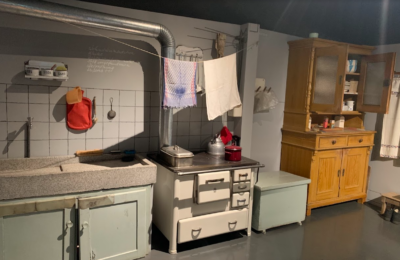
家是怎样形成的?瓦尔登布赫日常文化博物馆以过去二百五十年的日常生活为线索,从工作、居住、自来水、卫生与家庭空间的变化出发,讨论普通人如何把一个地方慢慢生活成自己的家。透过 Gayer 一家的百年故事,我们看见的不是理想住宅,而是真实生活留下的痕迹。
How does a house become a home? Through 250 years of everyday life, the Museum of Everyday Culture in Waldenbuch explores work, dwelling, water supply, hygiene and family life. Using the century-long story of the Gayer family, the exhibition reveals not ideal homes but the realities of how ordinary people gradually turned a place into their home.