《Pole Dance 钢管舞|垂直的身体》

这篇文章以“垂直的身体”为线索,重新书写钢管舞的历史、身体结构与文化误读。钢管舞并非性感的代名词,而是一种对抗地心引力的身体技术:靠力量、皮肤、摩擦力、疼痛与上升组成的训练体系。从杂技到工地,从夜店到竞技场,它的身体方向始终只有一个——向上。文章将起源、身体算法、社会争议与上升意义整合成一条“离开地面”的文明叙述,展示身体如何在半空中重新找到自己的方向。 This essay explores pole dance through the lens of a “vertical body” — a body that chooses ascent over movement on the ground. Far from being a symbol of eroticism, pole dance is a discipline built on strength, friction, skin, pain, and elevation. Its history stretches from acrobatic pole climbing to construction sites, from nightclubs to professional sport, yet its direction has remained constant: upward. Integrating origin, bodily mechanics, cultural misunderstandings, and the meaning of ascent, the essay repositions pole dance as a practice in which the body rewrites itself the moment it leaves the ground.
Weiterlesen《Pole Dance 钢管舞|垂直的身体》

《Belly Dance|肚皮会说话的身体》

这篇文章从肚皮舞的源起、身体算法、到不同国家的风格差异,回到现代课堂里的自我亮度。 肚皮舞曾经是神庙里的祈愿,后来成为城市中的表演,如今是一种身体的语言学——用腹部、骨盆、波浪与震动,重新练出属于自己的方向感。 文章最后回到 2026 年 2 月 28 日斯图加特的现场:当教练带着全班复述 “I am beautiful!” 的那一刻,肚皮舞不再是求神,而是点亮自己。 “Belly Dance|The Body That Speaks Through the Belly” This essay traces belly dance from its ancient ritual origins to its contemporary forms: the core-centered philosophy, the algorithm of isolation and recombination, and the stylistic differences among Egyptian, Turkish, and Lebanese traditions. Modern belly dance becomes a language of the body—using waves, figure-eights, pelvic rhythms, and vibration to reclaim direction from within. The article returns to Stuttgart on February 28, 2026, when the instructor guided the class to repeat “I am beautiful!”—a moment when belly dance ceased being a prayer to the divine and became an act of self-illumination.

Weiterlesen《Belly Dance|肚皮会说话的身体》

《Maculelê|棍棒击出来的身体》

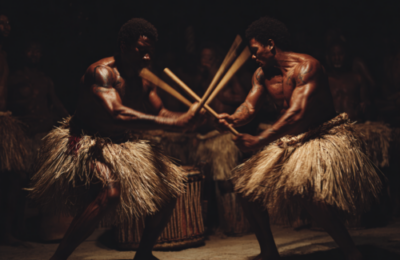
Maculelê 起源于巴西巴伊亚的非裔社区,是一种以棍击为核心的勇士舞蹈。 在现代课堂里,这套来自甘蔗园的节奏语言被重新点亮: 棍子替代刀锋,四拍建立身体的节奏线; 排列与圆阵成为对齐的空间; 每一拍都在训练身体如何在节奏中保持稳定。 这篇文章从器物、空间到节奏,追索 Maculelê 的身体算法,记录一次在 2026 年 2 月 8 日课堂里, 身体如何在第四拍被重新排列。 Maculelê, rooted in Afro-Brazilian communities of Bahia, is a warrior dance built on the rhythm of sticks. In the contemporary studio, this ancestral language is reactivated: sticks replace blades, the four-count structure resets the body, and formations—circles or lines—become spaces for alignment. Each count refines how the body stays steady inside moving rhythm. This article traces the bodily algorithms of Maculelê through its tools, space, and rhythmic logic, documenting how, in a class on February 8, 2026, the body was reorganized by the force of the fourth beat.

Weiterlesen《Maculelê|棍棒击出来的身体》

《Zumba|现代人的集体身体》

Zumba 由一位哥伦比亚教练意外开启,却以南美节奏为骨,将 Merengue、Salsa、Cumbia、Reggaeton 重新组合成一种“当代的身体”。本篇从起源、身体算法、集体算法,一路写到尾之声,探讨 Zumba 如何让现代人在被压得满溢的生活里,用摇动重新听见自己。它不仅是健身课,而是一种没有祖先、没有禁忌、没有门槛的当代集体——让身体因节奏而成立,让情绪因呼吸而松开,让现代人得以以最温柔的方式回到自己。 Zumba began as an accident by a Colombian instructor, yet it draws on the full spectrum of South American rhythms—Merengue, Salsa, Cumbia, Reggaeton—to form what this essay calls “the body of the contemporary world.” Through origin, body algorithms, collective algorithms, and final resonance, this piece explores how Zumba allows modern individuals to hear themselves again through movement. Beyond fitness, Zumba becomes a ritual-free, borderless collective space where the body reclaims breath, emotion reorganizes itself, and a quiet form of self-return becomes possible in an overwhelming world.

Weiterlesen《Zumba|现代人的集体身体》