在德国的博物馆、
河流、
铁路、
港口、
工业遗产与日常生活现场之间,
我尝试进入一个工业文明的运行现场。
这里不仅有交通工具,
也有河道、
桥梁、
能源、
维修、
制造、
迁移与长期维护。
从车站、
水路、
工厂、
博物馆到各种文明后台,
我记录一个老工业文明,
如何在转型、
迟缓与重新协调之中,
继续维持它的流动能力。
Across museums, rivers, railways, ports, industrial heritage sites and everyday landscapes in Germany,
I enter the operational field of an industrial civilization.
This is not only about mobility,
but also about waterways, bridges, energy systems, maintenance, production, migration and long-term stewardship.
From stations, waterways, factories and museums
to the hidden backstages of civilization,
this fieldwork explores how an aging industrial civilization
continues to sustain its capacity for movement amid transformation, slowdown and reorganization.
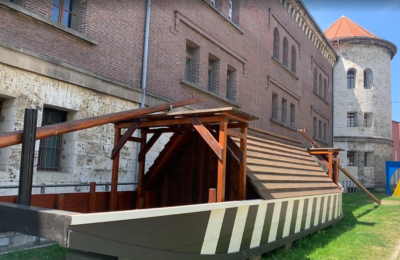
乌尔姆位于多瑙河上游,而《河流故事》常设展讨论的并不只是河流本身。从河神与水中少女的传说开始,到乌尔姆的河运贸易、渔民与船磨坊的日常生活,再到铁门峡谷工程、水坝建设与国际多瑙河节,这座博物馆呈现了一条大河如何进入人的想像、成为水路、塑造生活,并最终连接不同民族、语言与城市的过程。多瑙河流经十个国家,也见证了无数人的迁徙、相遇与共同生活。
Located on the upper Danube, the Danube Swabian Museum in Ulm explores far more than the river itself. Beginning with legends of river gods and water maidens, the exhibition traces how the Danube became a transport route, supported everyday life, shaped trade networks, and was later transformed through large-scale engineering projects. From fishermen and floating mills to dams, migration, and international cultural festivals, the exhibition reveals how a single river has connected cities, languages, peoples, and stories across ten countries for centuries.
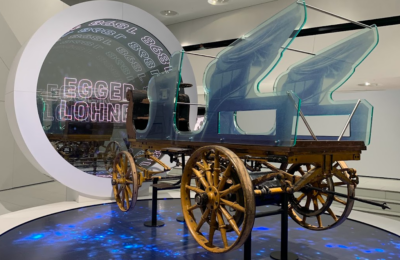
很多人来到保时捷博物馆,会直接奔向911、赛车与速度神话。但让我停下来的,却是一辆1898年的电动车。从电、平台、混合动力、空气动力学,到战后重建与356的诞生,这座博物馆讲的并不只是跑车,而是一家公司如何在不断变化的时代里,一次又一次找到继续前进的方法。
Most visitors come to the Porsche Museum for the 911, racing cars, and stories of speed. What stopped me was a small electric vehicle from 1898. From electricity, platforms, hybrid technology, and aerodynamics to post-war reconstruction and the birth of the Porsche 356, this museum is not only about sports cars, but also about how a company repeatedly found new ways to move forward through changing times.
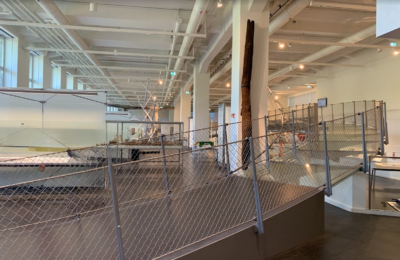
在慕尼黑德意志博物馆的桥梁与水利馆里,我原本以为自己是在看桥梁工程,后来才发现,真正出现在眼前的,是文明如何维持流动。从穿越阿尔卑斯山的隧道、早期桥梁的身体工程、德国工业文明对于承重与稳定的执着,到罗马输水系统、河流治理与生态复育,这座展馆不断重复同一个问题:如何让流动持续而不崩塌。桥、铁路、水利与河道看似不同,背后处理的却是同一件事——如何让重量、水流、时间与社会长期稳定运转。
At the Bridge and Hydraulic Engineering Exhibition of the Deutsches Museum in Munich, I expected to learn about bridges. Instead, I found myself exploring how civilizations sustain flow. From Alpine tunnels and the bodily experience of early bridge construction to Germany’s obsession with load-bearing stability, Roman aqueducts, river engineering, and ecological restoration, the exhibition repeatedly returned to the same question: how can movement continue without collapse? Bridges, railways, waterways, and hydraulic systems may appear different, yet they all address the same challenge—how to keep weight, water, time, and society moving in long-term balance.
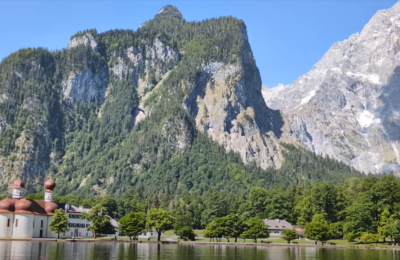
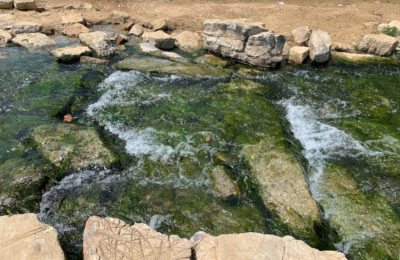
从德国贝希特斯加登国家公园的国王湖,到上湖 Obersee 与《Wasser versetzt Berge》(水移动山体)展馆,这篇文章记录的,并不只是一次阿尔卑斯山里的船行,而是一场关于“水如何在山里继续流动”的观察。地下水、湿地、裂缝、泉水、雪与水循环,让我逐渐意识到:德国如今真正保护的,不只是风景,而是让水继续流动的条件。而这一切,也不断让我想起长期生活在水陆之间的楚文明——真正成熟的文明,也许从来不是征服水,而是知道怎样与水长期共处。
From Königssee in Berchtesgaden National Park to Obersee and the exhibition Wasser versetzt Berge (“Water Moves Mountains”), this essay is not simply about a journey through the Alps, but about discovering how water continues to move inside mountains. Groundwater, wetlands, cracks, springs, snow, and hidden water cycles gradually revealed that what Germany truly protects here is not only scenery, but the conditions that allow water to keep flowing. Throughout the journey, I was repeatedly reminded of ancient Chu civilization in China, where people also lived between water and land. Perhaps truly mature civilizations are not built on conquering water, but on learning how to live with its flow.
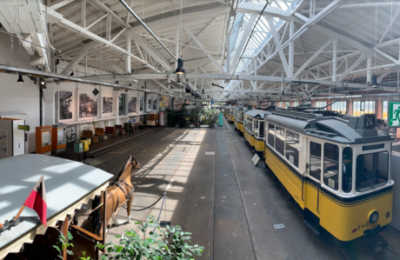
德国田野调查第二站,我进入了斯图加特有轨电车博物馆。这里保存的,不只是几台旧电车,而是一整座山城如何一百五十多年都没有停止流动。从马车铁路、票务系统、城市轨道,到维修文明与后台系统,我第一次这么清楚地看到:真正成熟的城市,最后研究的,不是如何更快,而是系统老了之后,如何继续运行。
During my second fieldwork stop in Germany, I visited the Stuttgart Tramway Museum. What is preserved here is not merely a collection of historic trams, but the long-term urban backstage system that has kept a mountain city moving for more than 150 years. From horse-drawn railways, ticket systems, and urban tram networks to maintenance culture and infrastructure management, this museum reveals a deeper question behind modern mobility: a mature city is not defined by speed alone, but by its ability to keep old systems running long after they age.
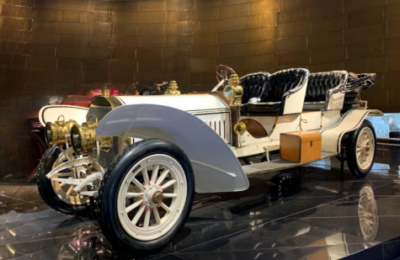
从第一台奔驰发动机,到Crash Tests、Airbag、TÜV、新能源与自动驾驶,这篇德国田野调查,并不只是关于“汽车”,而是德国工业文明,如何一步一步把“速度”,组织成一种长期运行的国家系统。而站在奔驰汽车博物馆里,来自楚国的目光,也重新提出了另一个问题:当车开始自己判断、自己驾驶之后,人,还算不算“驾”?
From the first Mercedes engine to crash tests, airbags, TÜV, electric vehicles and autonomous driving, this field research in Germany is not merely about automobiles. It is about how German industrial civilization gradually transformed “speed” into a long-term, highly organized national system. And inside the Mercedes-Benz Museum, a gaze from the ancient state of Chu raises another question: when a vehicle can drive and decide by itself, does the human inside still count as the one who “drives”?
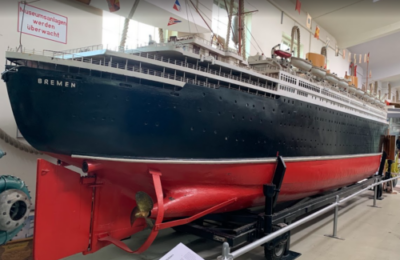
在德国 Speyer 科技博物馆里,我第一次真正把蒸汽火车、船、潜艇与国际空间站放进同一条文明线里。从楚国水路、到蒸汽火车、到太空站,人类始终都在学习同一件事:如何在离开原本环境之后,继续维持流动与生命。
At the Technik Museum Speyer in Germany, I placed steam locomotives, ships, submarines, and the International Space Station into the same civilizational line for the first time. From the waterways of Chu, to steam locomotives, to orbital stations, humanity has been learning the same lesson: how to sustain movement and life after leaving its original environment.
从楚地迁都,到现代主体的水域迁移,《令尹夫人迁都记》以“后台”“流动”与“维修”为线索,重新思考文明为何冻结、又如何通过空间迁徙继续呼吸。文章结合楚文明、铁路后台、寿春水系与个人田野经验,讨论低流动系统、文明迁徙与主体重新生成的可能。
From the migration of the Chu capital to the relocation of contemporary subjectivity, Lady Lingyin’s Chronicle of Migration rethinks how civilizations freeze — and how they continue breathing through spatial movement. Through the lenses of backstage systems, flow, maintenance, railway infrastructures, and Chu civilization fieldwork, the essay explores low-flow systems, civilizational migration, and the regeneration of subjectivity.