从河流、
湖泊、
运河到港口,
我关注水如何塑造聚落、
贸易、
技术与文明的发展。
这里讨论的不只是自然景观,
也是桥梁、
水利、
航运与长期维护的故事。
Through rivers,
lakes,
canals and ports,
I explore how water has shaped settlements,
trade,
technology and the development of civilization.
This is not only a story of landscapes,
but also of bridges,
water management,
navigation and long-term stewardship.
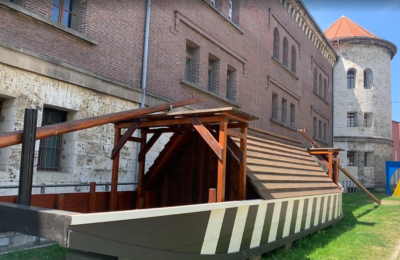
乌尔姆位于多瑙河上游,而《河流故事》常设展讨论的并不只是河流本身。从河神与水中少女的传说开始,到乌尔姆的河运贸易、渔民与船磨坊的日常生活,再到铁门峡谷工程、水坝建设与国际多瑙河节,这座博物馆呈现了一条大河如何进入人的想像、成为水路、塑造生活,并最终连接不同民族、语言与城市的过程。多瑙河流经十个国家,也见证了无数人的迁徙、相遇与共同生活。
Located on the upper Danube, the Danube Swabian Museum in Ulm explores far more than the river itself. Beginning with legends of river gods and water maidens, the exhibition traces how the Danube became a transport route, supported everyday life, shaped trade networks, and was later transformed through large-scale engineering projects. From fishermen and floating mills to dams, migration, and international cultural festivals, the exhibition reveals how a single river has connected cities, languages, peoples, and stories across ten countries for centuries.
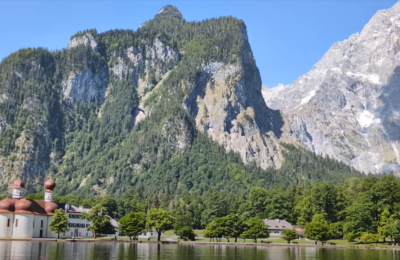
从德国贝希特斯加登国家公园的国王湖,到上湖 Obersee 与《Wasser versetzt Berge》(水移动山体)展馆,这篇文章记录的,并不只是一次阿尔卑斯山里的船行,而是一场关于“水如何在山里继续流动”的观察。地下水、湿地、裂缝、泉水、雪与水循环,让我逐渐意识到:德国如今真正保护的,不只是风景,而是让水继续流动的条件。而这一切,也不断让我想起长期生活在水陆之间的楚文明——真正成熟的文明,也许从来不是征服水,而是知道怎样与水长期共处。
From Königssee in Berchtesgaden National Park to Obersee and the exhibition Wasser versetzt Berge (“Water Moves Mountains”), this essay is not simply about a journey through the Alps, but about discovering how water continues to move inside mountains. Groundwater, wetlands, cracks, springs, snow, and hidden water cycles gradually revealed that what Germany truly protects here is not only scenery, but the conditions that allow water to keep flowing. Throughout the journey, I was repeatedly reminded of ancient Chu civilization in China, where people also lived between water and land. Perhaps truly mature civilizations are not built on conquering water, but on learning how to live with its flow.