《返魂列车:沿着山河的节奏,归于楚辞的回响》—— 从南宁出发,经长沙,抵武汉

这一趟从广西南宁东出发,穿越长沙,抵达武汉的高铁旅程,也是一场身体与文明的同步召唤。从祠堂走向站台,从惊魂的拼车到祖源的落地,高铁返魂列车沿着山河的节奏,一站一站,把楚辞的回响唱回身上。The high-speed train journey from Nanning East in Guangxi, passing through Changsha and arriving in Wuhan, was also a synchronized calling of body and civilization. From the ancestral hall to the station platform, from a frightful shared ride to the landing of ancestral roots, the returning train of souls followed the rhythm of the mountains and rivers — carrying back, stop by stop, the echoes of the "Chu Ci" onto my own body.

Weiterlesen《返魂列车:沿着山河的节奏,归于楚辞的回响》—— 从南宁出发,经长沙,抵武汉

《楚人花名册|散落的名字,串起的脉动》

从楚巫到湘夫人,从兮总到楚国郡主,途中还有“荆楚楚”与“楚留香”的戏称。这些称谓,并非装饰,而是我在楚地被一一唤起的文化身份。它们最终汇聚成《楚人花名册》——一部散落之名的回声谱,一场祖源与文明的归返。From the Chu shaman to Lady Xiang, from Xi Zong to the Princess of Chu — along the way came playful names like "Jing Chu Chu" and "Chu Liuxiang." These titles were not ornaments, but cultural identities awakened one by one as I traveled through the land of Chu. Together they formed "The Register of Chu People" — a resonance chart of scattered names, a return of ancestry and civilization. /

Weiterlesen《楚人花名册|散落的名字,串起的脉动》

《认祖归宗 · 楚文明》— 楚公子春申君之后,湘夫人的回声

在台湾的一场饭局上,因友人无意的提起,我才从家族族谱中确认:我黄家属江夏堂,始祖正是楚国春申君黄歇。原来我为《楚辞》谱曲、唱《湘夫人》,并非附身,而是族谱早有记载。这是一场文化的归位,一次祖灵的呼唤,一首写给楚文明的回声小调。During a dinner in Taiwan, a friend's casual remark led me to confirm in my family genealogy that the Huang lineage belongs to the Jiangxia Hall, and that our ancestor was Huang Xie, Lord Chunshen of Chu. I realized that composing for the "Chu Ci" and singing "Lady Xiang" was never possession — it had already been written in the family register. It was an act of cultural return, a call of ancestral spirit, a small song of echo written for Chu civilization.

Weiterlesen《认祖归宗 · 楚文明》— 楚公子春申君之后,湘夫人的回声

《是高速的奔跑,也是人情的余韵》——四方参访与胶澳海鲜宴

在青岛中车四方的参访旅程中,我看见了高铁的骨架与节奏的心跳,也在一场陌生却自在的饭局里,尝到了一口人情的回甘。 从展厅到组装线,从虚拟舱到晚宴桌,这不是一次技术参观,而是一首写给速度与人味的节奏小调。During my visit to CRRC Sifang in Qingdao, I saw the skeleton of high-speed rail and the heartbeat of rhythm — and in an unfamiliar yet comfortable dinner, I tasted the lingering sweetness of human warmth. From the exhibition hall to the assembly line, from the virtual cabin to the dinner table, it was not a technical tour but a rhythmic ballad written for speed and humanity.

Weiterlesen《是高速的奔跑,也是人情的余韵》——四方参访与胶澳海鲜宴

《封九歌三神于屋脊之上:不是归程,是封印》——广州陈家祠与节奏的终响

在广州陈家祠,我不是为了参观广东民间艺术而来,而是为了在这座繁复的屋脊之下,安放三位楚辞神明。山鬼藏在花影里,东君立在屋顶上,湘夫人坐在风中。我不是来结束旅程的,而是来封印节奏,让这些歌的气息,继续在岭南的屋宇之间轻轻流动。At the Chen Clan Ancestral Hall in Guangzhou, I did not come to view Cantonese folk art, but to place three divine figures from the "Chu Ci" beneath its intricate roofline. The Mountain Spirit hides among the floral shadows; the Lord of the East stands upon the roof; Lady Xiang sits within the wind. I did not come to end the journey, but to seal the rhythm — letting the breath of these songs continue to flow gently through the houses of Lingnan.

Weiterlesen《封九歌三神于屋脊之上:不是归程,是封印》——广州陈家祠与节奏的终响

《粤声入梦 · 馆在坊中,声在心中》——广州粤剧艺术博物馆

在广州永庆坊,我走进粤剧艺术博物馆。我不是为了看展,而是来对那些戏服、锣鼓与衣箱轻声说话。红线女的唱腔仍在,她未唱完的那一句,我愿续下去。我播放《湘夫人》,不是为了演出——而是为了让这座城市记得:岭南的节奏,还在每日吐纳。At Yongqing Fang in Guangzhou, I stepped into the Cantonese Opera Art Museum. I was not there to see an exhibition, but to speak softly to the costumes, drums, and wooden chests. The voice of Hung Sin Nui still lingers — the line she left unfinished, I am willing to continue. I played "Lady Xiang," not as a performance, but to remind the city that the rhythm of Lingnan still breathes every day.

Weiterlesen《粤声入梦 · 馆在坊中,声在心中》——广州粤剧艺术博物馆

《湘夫人过江南 · 少司命入苏州》——平江路 · 凤池弄静音仪式记

在苏州平江路的清晨,我没有走进热闹的那一侧,而是转向河的对岸——一条名叫凤池弄的静巷。那里没有游客,也没有叫卖声,只有水声与斑驳的老墙。我播放自己谱曲的《湘夫人》和《少司命》,对河流、对老屋、对尚未开门的工艺店说话,完成一场节奏文明的静音仪式。那一刻,我不是来散步,而是来让这座城市记起:它曾经有耳朵。平江路的对岸,也能听见楚辞的回声。On a quiet morning along Pingjiang Road in Suzhou, I turned away from the lively side and crossed to the opposite bank — a still lane called Fengchi Alley. There were no tourists, no street vendors, only the sound of water and the weathered walls. I played my own compositions of "Lady Xiang" and "Lesser Divine Officer," speaking to the river, to the old houses, and to the unopened craft shops — completing a silent ritual of rhythmic civilization. In that moment, I was not there for a walk, but to remind the city that it once had ears. Across the river from Pingjiang Road, the echoes of the "Chu Ci" could still be heard.

Weiterlesen《湘夫人过江南 · 少司命入苏州》——平江路 · 凤池弄静音仪式记

《898年的园林,寻找园林真正的声音》—— 夜游苏州 · 网师园

在苏州网师园的夜晚,经历四十五分钟的导览与六场错拍表演后,我转入一条空无一人的小巷。 我不是来赏灯,也不是来看戏,而是来执行一场节奏任务。八百九十八年的风、石、窗与水,仍藏着未被说出的回声。我在墙根放下《湘夫人》的歌声,不为观众,只为唤回失落的神。网师园,不是景点,而是一座等待文明重新对齐的节奏之地。

Weiterlesen《898年的园林,寻找园林真正的声音》—— 夜游苏州 · 网师园

《水袖不是衣裳,而是“情不知所起,一往而情深”的梦》——苏州昆曲博物馆

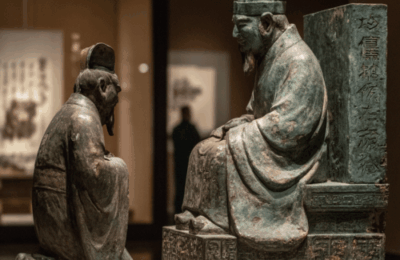
在苏州昆曲博物馆,我站在《昆剧传世演出珍本全编》前,轻声念过一卷卷剧名。我不是来看展,而是为唤醒沉睡的节拍。魏良辅的像静立,正始元音在无声中回荡;汤显祖的梦仍在《牡丹亭》里飘摇。戏服垂落如尾音,曲谱静卧如心跳。我以楚辞的湘音,对话昆曲的古声——昆曲,不是遗产,而是一场尚未唱完的呼吸。At the Kunqu Opera Museum in Suzhou, I stood before "The Complete Collection of Classic Kunqu Performances" and softly recited each play's title. I was not there to visit an exhibition, but to awaken the sleeping rhythm. The statue of Wei Liangfu stood still, his original tone echoing in silence; Tang Xianzu's dream still drifted within "The Peony Pavilion." The costumes hung like lingering notes, the scores rested like heartbeats. With the "Chu Ci" accent of Xiang, I conversed with the ancient voice of Kunqu — for Kunqu is not a heritage, but a breath that has yet to finish singing.

Weiterlesen《水袖不是衣裳,而是“情不知所起,一往而情深”的梦》——苏州昆曲博物馆

《唱的不是书,而是江南的呼吸》——平江路评弹茶座与苏州评弹博物馆

在苏州平江路,我推开一间茶座,不是为了一壶桂花乌龙,而是为了一曲《秋思》里未寄出的信。琵琶轻响,三弦低回,江南的呼吸从茶香里慢慢流出。评弹,不只是故事,而是节奏唤醒记忆的方式。At Pingjiang Road in Suzhou, I stepped into a teahouse not for a pot of osmanthus oolong, but for the unspoken letter hidden in the song Qiusi. As the pipa plucked and the sanxian sighed, the breath of Jiangnan drifted through the tea’s fragrance. Pingtan is not just storytelling—it is a rhythm that awakens memory.

Weiterlesen《唱的不是书,而是江南的呼吸》——平江路评弹茶座与苏州评弹博物馆