身体生成式智能研究的不是“大脑如何思考”,
而是身体如何在世界里生成智能:
智能如何从动作、节奏、痛感、协同、在场
被“长出来”、被“推出来”、被“逼出来”。
从湿地里的腰摆、山谷里的回声、
火龙的传火、英歌的击拍、甩发的风、
到 Zumba、Bachata、肚皮舞、Maculelê 的现代课堂,
身体生成式智能揭示——
智能不是算力的产物,
而是身体与环境相遇时的生成能力。
Embodied Generative Intelligence does not ask
how the brain thinks,
but how the body generates intelligence in the world—
how movement, rhythm, pain, coordination and presence
produce meaning, intention and insight.
From the sway shaped by wetlands,
to echoes rising in mountain valleys,
from fire-passing dragons and Engko strikes,
to the winds of hair dances, Zumba flows, Flamenco accents
and Maculelê percussive training,
Embodied Generative Intelligence reveals that
intelligence is not computed—
it is generated at the moment the body meets the world.
《节奏文明观|身体篇》讨论文明如何从身体经验中生成。人在理解世界之前,身体已经通过重量、平衡与节律与环境互动。当动作不断重复,节律逐渐稳定,秩序与结构便开始形成。通过身体经验、身体节律与身体训练三个层面,本文提出“身体生成式智能”的概念,说明文明并非首先来自思想,而是在身体长期与世界互动的过程中逐渐形成。
This essay explores how civilization emerges from embodied experience. Long before language or abstract thought, the human body interacts with the world through weight, balance, movement, and rhythm. As actions repeat, rhythms stabilize and gradually form patterns of order and structure. Through embodied perception, bodily rhythm, and bodily training, the article introduces the concept of Embodied Generative Intelligence, arguing that civilization grows from the body's long interaction with the physical world rather than from abstract ideas alone.
Embodied Generative Intelligence proposes a new framework for understanding intelligence through the body, rhythm, emotion, and civilization. This reading guide introduces four essays exploring how embodied practices generate knowledge, meaning, and social order, with ancient Chu civilization as a key historical archive of embodied intelligence.
本页为《身体生成式智能》系列阅读导航。通过四篇文章,提出“身体生成式智能”(Embodied Generative Intelligence)的理论路径:身体 → 节奏 → 情绪 → 文明。以楚文明为例,重新思考人类智能的起点与意义。
This page is the reading guide for the series Embodied Generative Intelligence. Through four essays, it proposes a generative path of intelligence — Body → Rhythm → Emotion → Civilization — and reinterprets human intelligence through the embodied traditions of ancient Chu civilization.
楚文明并非只是一种地方文化传统,而是一套由身体生成语言、仪式、知识与空间的文明体系。从楚辞之歌、巫舞之身,到楚简之结构与楚城之生成,楚人用身体理解世界,并留下人类历史上最完整的一份身体生成式文明档案。
Chu civilization reveals a unique mode of human knowledge: a civilization generated through the body. From the songs of the Chu Ci, the ritual movements of Chu dances, the structural knowledge of bamboo manuscripts, to the spatial logic of Chu cities, the Chu people used the body to understand and organize the world—leaving behind one of the most complete archives of embodied civilization in human history.
当节奏进入身体,情绪就开始生成。通过 Zumba、撒叶儿嗬、佛朗明哥、八家将与 Bachata 五种舞蹈,本篇探讨身体如何在动作与节奏中生成快乐、悲伤、愤怒、敬畏与爱情,并提出“身体生成式智能”的基本逻辑:情绪不是被思考出来,而是在身体与世界的互动中被生成。
When rhythm enters the body, emotion begins to emerge. Through five dances—Zumba, Sa’erhe, Flamenco, Eight Generals, and Bachata—this essay explores how bodily movement generates joy, grief, anger, reverence, and love. It proposes a key idea of embodied generative intelligence: emotions are not produced by thought, but arise through the body's interaction with rhythm and the world.
本文从“节奏”出发,提出身体生成式智能的四步结构:起、承、转、合。通过湿地、山地、峡江协作,以及英歌舞、横山腰鼓、佛朗明哥、肚皮舞、Bachata、甩发舞、八家将、雩舞、万舞、Zumba 等案例,说明节奏如何组织动作、承住力量、改变结构、形成秩序。节奏不是音乐,节奏是身体组织世界的方式,也是身体生成式智能的重要语法。
This article approaches rhythm as a core grammar of Embodied Generative Intelligence. It proposes a fourfold structure—initiation, accumulation, transformation, and alignment—to show how rhythm organizes movement, holds force, reshapes structure, and stabilizes order. Through examples ranging from ritual, folk, and social dances to contemporary group movement, rhythm is revealed not as music alone, but as a bodily way of generating the world.
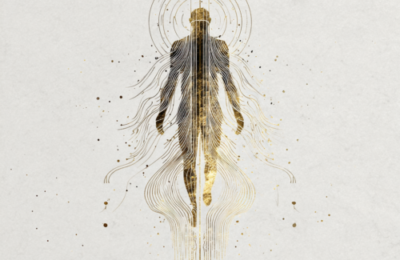
《身体先于大脑:智能从动作里长出来》提出一个核心命题:
人类的理解不是从思考开始,而是从身体进入世界的方式开始。
通过三十多篇身体书写,我将身体所生成的五种智能——
地形读取、力量显形、空气造型、秩序生成、上升驱动——
重新排列成一条可被看见的文明路径。
脚贴地形时,路被踩出来;
力量推出去时,结构亮出来;
空气被画出来时,形状显影;
身体站定位置时,秩序出现;
身体向上托起自己时,方向诞生。
这一篇不是舞蹈学,也不是认知科学,
而是一部关于“智能如何从身体里被点亮”的发生学。
Body Before Mind: Intelligence Grows from Movement argues that
human understanding does not begin with thought, but with the body’s first encounter with the world.
Drawing from over thirty essays on embodied practices, this work identifies five forms of embodied intelligence—
terrain-reading, force-shaping, air-forming, order-making, and vertical drive—
and rearranges them into a visible structure of how intelligence arises.
When the foot meets the ground, a path appears.
When force is pushed outward, structure emerges.
When air is shaped, form becomes perceptible.
When bodies take their positions, order arises.
When the body lifts itself upward, direction is born.
This is not dance theory nor cognitive science,
but an origin study of how intelligence is illuminated through the body.