

You are currently viewing 《百草成香》|艾草 · 李時珍 · 武杭鐵路 · 蘄春

《百草成香》|艾草 · 李時珍 · 武杭鐵路 · 蘄春

一縷蘄艾幽香,橫跨四百年時光,從百草經書中緩緩升起。
香氣未散,書未闔,李時珍那雙探問草木與人心的眼睛,依舊在蘄春山水之間望著遠方。

本篇探尋的是「李時珍與蘄艾」的故事。
這位明代醫聖,一生行走鄉野,尋藥問路,最終在家鄉蘄州編撰下《本草綱目》,而那一株株長於山谷田間的艾草,正是他無數次筆墨停駐之處。

這味溫藥,不只駐於草本經卷,也燃進了千萬人日常的煙火之中。

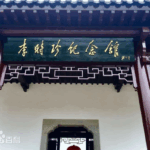
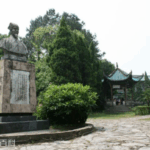
李時珍生於蘄州,卒於蘄州。他不是仕途醫官,而是以鄉野之身,問遍百草,記下十六部、一千八百九十二種藥物,只為「濟世安人」。

而艾草—正是他筆下出現最多的藥材之一。
他知道,真正的藥,不只是治病之物,更是安魂的香,是人的信念與天地的橋。

蘄春之艾,自古名聲遠播。如果說青蒿能退熱,是草木之奇,那蘄艾能溫補,是草木之仁。

這些長於江漢平原、滋於霧水山嶺的藥草,自帶蒸騰之力與抚慰之香,如百草中的智者,以不張揚的姿態,守護人間煙火氣。

古人稱艾草為「冰台」,這個名字聽來清冷,但其真正的宿命卻是燃燒自己,點亮他人。
冰台的最大作用,就是「引火燒身」。
可如果不焚身成煙,它還算什麼冰台?

正如香艾與冰台,無論換什麼名字,都躲不過燃燒的命運。

一個為了治病,一個為了光明—最終都以自焚為代價,成全世間溫暖。

艾草易燃,燃燒時釋放出獨特的香氣,這氣味不陌生—那是記憶裡的溫灸香、祖母的藥囊味、以及中醫書頁間的草木之魂。

如今的高鐵,從武漢出發,不到一小時就能抵達蘄春這座小城。從艾葉鋪滿的鄉間,到車站林立的都市,時空已變,但那縷熟悉的煙香,依然從一口灸罐、一帖藥香裡升起。

李時珍從未離開。他走過的是一條知與行的路,那些他親自問過名的草,如今都在這片土裡生長著,等你前來焚香一問。

這條高鐵,不只是速度,更是一場溫度的回程。
當你踏上武蘄高鐵,請輕嗅車窗微開時撲鼻而來的艾香,那不是風——那是時間與信仰一起翻過的書頁。

一株艾草,歷經風雨,終成香。
一卷本草,歷盡人事,終成經。

李時珍在山中寫書,蘄艾在谷中生香,
而我們,在高鐵上,重逢這段緩慢的醫道之心。

李時珍:《本草綱目》

他在《本草綱目》中記載:

「艾葉,《本草》不著土產,但云生田野。

宋時以湯陰復道者為佳,四明者圖形。近代惟湯陰者謂之北艾,四明者謂之海艾。

自成化以來,則以蘄州者為勝,用充方物,天下重之,謂之蘄艾。

相傳他處艾灸酒壇不能透,蘄艾一灸則直透徹,為異也。」

譯文:

《本草綱目》中沒有記載艾葉的具體產地,只說它生長在田野中。

宋代時期,人們認為來自湯陰(今河南安陽)的艾草最好,而四明(今浙江寧波)地區的艾草則被用來作為圖示。到了近代,湯陰出產的被稱為「北艾」,四明出產的稱為「海艾」。

自明代成化年間以來,蘄州(今湖北蘄春)出產的艾草被認為是最上品,用來入藥,全國都非常重視,並尊稱它為「蘄艾」。

相傳其他地方的艾草無法灸透酒壇,而蘄艾一灸就能直接穿透,這種效能是非常特別的。

這正是李時珍筆下「百草成香」的最佳寫照。
一縷蘄艾溫煙,不僅療疾,也連接起千年醫道與人心。

資料來源:歷代關於蘄艾的論述

李時珍 · 艾草香

1.
百草成經非虛筆,千山問藥有真情。

2.
艾葉幽香融冷月,時珍筆下潤人聲。

3.

蘄水輕煙隨夢起,醫書千頁載魂清。

4.
行遍鄉原尋草木,焚香灸骨解沉冥。

5.
青蒿退熱驚天道,蘄艾溫身護太平。

6.
藥籤落處香猶在,書簡成時德未輕。

7.
黃卷有聲傳百代,白衣無語濟蒼生。

8.
艾火穿壇非虛說,蘄香一縷破寒凝。

9.
蒼天有眼知仁筆,綠野無聲記足行。

10.
今朝高鐵通蘄地,煙外依稀草木名。

歌曲《百草成香》|艾草 · 李時珍 · 武杭鐵路

武杭鐵路

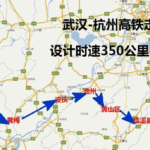
從武漢出發,前往江南水鄉、千年古鎮與繁華都市,選擇穿越中部與東部腹地的武杭高鐵—這條旅程,不只是交通,更是一場歷史、自然與文化的深度交會。

武漢至杭州:高鐵串起詩與遠方

作為國家「八縱八橫」高鐵網中「沿江通道」的重要一段,武杭高鐵西起九省通衢的武漢,東至人文薈萃的杭州,沿途串連黃岡、黃梅、安慶、池州、黃山、臨安等地,連接湖北、安徽、浙江三省,是橫跨中部、華東、長三角的重要旅遊與經濟走廊。

所經名城與勝景:

  • 武漢:楚文化重鎮,登黃鶴樓俯瞰長江之壯闊。

  • 黃岡蕲春:李時珍故里,蕲艾飄香,藥香文化濃郁。

  • 黃山:奇松怪石雲海相伴,世界文化與自然雙遺產。

  • 徽州古城:粉牆黛瓦,徽派建築;走進詩畫中的中國。

  • 臨安:良渚文化遺址,接壤千島湖。

  • 杭州:西湖煙雨,詩意如夢,是終點也是起點。

武杭高鐵的旅遊魅力:

這不只是一條通勤通道,更是通向歷史深處與山水意境的「旅遊黃金線」:

  • 橫跨中部與江南:一條高鐵打通中原與江南風物;

  • 文化遺產串聯:從黃鶴樓、李時珍到黃山、西湖,文化脈絡一線牽;

  • 美食地圖同行:熱乾麵、豆皮、徽菜、杭幫菜… 美食與速度同步抵達;

  • 高鐵換慢遊:車窗飛馳,車下慢行,賞山水、訪古村、泡溫泉、焚蕲艾—皆宜。

近年建設與通車里程碑

  • 2020年:列入湖北「四縱四橫四斜」高鐵網。

  • 2022年4月:黃岡至黃梅段開通。

  • 2023年12月:黃山至黟縣段貫通。

  • 2024年4月:池黃高鐵全線開通,旅遊熱線再升級。

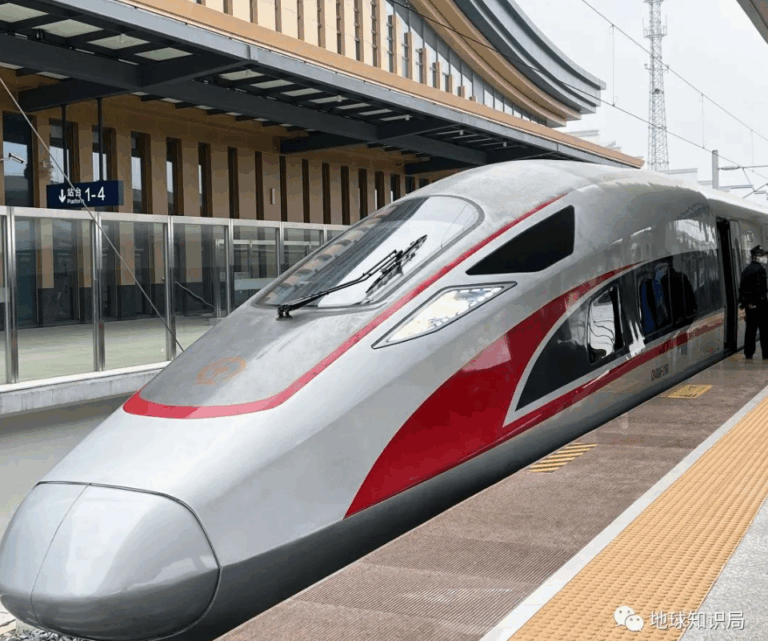
复興號 CR400AF 型高速動車組|紅神龍

CR400AF 型電力動車組是中國自主研發的第二代標準高速列車,也是「復興號」系列的核心成員之一。由中車青島四方機車車輛股份有限公司設計製造,該型列車因其銀灰底色搭配紅色飾條的流線造型,與其飛馳時展現出的霸氣氣場,被鐵道迷暱稱為:「紅神龍」

這款列車自 2012 年起啟動研製,2015 年 6 月下線,最高試驗時速達 385 公里/小時,是全球少數可穩定實現 350 公里/小時營運 的動車之一。其外觀設計由英國知名設計公司 Priestman Goode 操刀,融合了中國書法(「復興號」魏碑字)與現代速度美學。

  • 車體材質: 全鋁合金,輕盈堅固

  • 外觀特徵: 銀色底塗 + 紅色「箭頭」飾條 + 黑色窗帶

  • 乘坐體驗: 配備 Wi-Fi、USB 插座、大件行李架與商務艙、動感 LED 指示

  • 主要線路: 京滬、京廣、滬昆、京哈、京張等高速主幹道均有運行

「紅神龍」不僅象徵中國速度,也承載著文化與科技融合的力量。它不只是高鐵,更是一條條時代脈絡上的紅色軌跡,穿越城市、連接你我。

📜 本作品已提交版权保护程序,原创声明与权利主张已公开。完整说明见:
👉 原创声明 & 节奏文明版权说明 | Originality & Rhythm Civilization Copyright Statement – NING HUANG

节奏文明存证记录

本篇博客文为原创作品,由黄甯与 AI 协作生成,于博客网页首发后上传至 ArDrive 区块链分布式存储平台进行版权存证:

  • 博客首发时间:请见本篇网页最上方时间标注
  • 存证链接:aabaad0e-eaf8-4077-83b6-b0381c0711c1
  • 存证平台:ArDrive(arweave.net)(已于 2025年7月5日 上传)
  • 原创声明编号
    Rhythm_Archive_05Juli2025/Rhythm_Civilization_View_Master_Archive

© 黄甯 Ning Huang, 2025. All Rights Reserved.
本作品受版权法保护,未经作者书面许可,禁止复制、改编、转载或商用,侵权必究。

📍若未来作品用于出版、课程、NFT或国际展览等用途,本声明与区块链记录将作为原创凭证,拥有法律效力。

《楚文明导航地图》| 五种呼吸,六十缕光

《楚文明导航地图》是一张由六十缕光织成的文明呼吸谱。

当竹简沉睡两千年再度被展开,我们听见的不只是制度、制度、事件,而是一座文明在黑暗中、在风中、在火中、在歌声里,缓缓调息的方式。

这张地图将六十篇楚简新读重新归于五种生命节律——元息、脉息、气息、共息、声息——宛如文明的五种呼吸。
它们不是分析框架,而是古人观看世界的方式,也是我们重新学会呼吸的入口。

从宇宙胎动的第一缕微光,到四季脉动的心跳;从人心的隐语、情绪的暗流,到千万人共享的一口气;从风中的美学,到穿越时间的歌声——

楚文明告诉我们:

文明的延续,不靠征服,而靠呼吸。
人生的安顿,不靠效率,而靠节奏。

愿这张地图成为你走回源头的一盏灯,
也成为你在喧嚣时代里,重新找到自己的——呼吸之道。

“A Navigation Map of Chu Civilization” is a breathing chart woven from sixty beams of ancient light.

When bamboo slips, asleep for two millennia, are unfolded again, what emerges is not merely history or governance, but the quiet rhythm of a civilization learning to breathe—
in darkness, in wind, in fire, in song.

This map gathers sixty essays into five life-breaths of Chu culture—
Primordial Breath, Seasonal Pulse, Human Breath, Shared Breath, Resonant Breath.
They are not analytical categories but ancient modes of perceiving the world—and an invitation for us to breathe again.

From the first tremor of the cosmos to the pulse of the seasons;
from the subtle syntax of the body to the storms of emotion;
from the shared breath of a nation to the beauty that travels through time—

Chu civilization whispers:

A civilization endures not by conquest, but by breath.
A life becomes whole not by speed, but by rhythm.

May this map be a lantern guiding you back to the source—
and a compass for rediscovering
your own way of breathing
in an age that forgets to breathe.

Weiterlesen »

《竹简轻响:在清华简〈参不韦〉中,听见文明的心跳》

本篇文章循着竹简上的轻响,走进清华简《参不韦》的世界。我们不再将其视为古老训诫,而是聆听一部文明自身的“心跳记录”——从启动文明的第一行代码“五则”,到架构社会的呼吸与脉动;从身体与天地法则的精密对应,到九种让文明窒息的低语;最终,抵达那份“山渊之喻”中蕴藏的、关于平衡与持久的古老智慧。

这是一次与战国楚人的深度对话,他们留下的不是答案,而是一套让文明在时间中“持续呼吸”的系统思维。在速度至上的今天,这份竹简悄然提问:当一切都在狂奔,我们是否还记得,如何听见并守护一个文明最深沉、最根本的心跳?
This essay follows the faint rustle of bamboo slips and enters the world of the Tsinghua manuscript Can Buwei. We no longer read it as an ancient admonition, but as the “heartbeat record” of a civilization itself—beginning with the first line of code that boots a world, the Five Principles; moving through the breath and pulse of social architecture; tracing the precise correspondences between the human body and cosmic law; listening to the nine low whispers that suffocate a civilization; and finally arriving at the “Parable of Mountain and Abyss,” where an older wisdom of balance and endurance resides.

This is a deep conversation with the people of Warring States Chu. What they left us is not a set of answers, but a way of thinking—a system that allows a civilization to keep breathing across time. In an age that worships speed, these bamboo slips pose a quiet question: when everything is rushing forward, have we forgotten how to hear, and how to protect, the deepest and most essential heartbeat of a civilization?

Weiterlesen »

《败军之将的逆袭圣经:上博简〈曹沫之陈〉里的”弱国兵法册”》

《曹沫之陈》呈现的不是战场技艺,而是一套由失败逼出的治理哲学。竹简将“三战三败”的经验转化为结构性洞察:军事溃败源自政治偏离,逆袭必须从制度与德政的重建开始。文中批评“面子工程”、强调“修政善民”、破除宿命论、以德性重构国家的核心竞争力,其思想结构与安大简等楚系文献所体现的“德—政—治”框架高度同构。本文以文献互证的方式,展示春秋时期弱国如何通过自省与治理改革重获战略主动权;并指出真正的胜负,从不是战场决定,而是政治系统决定。
Cao Mo zhi Chen is not a treatise on battlefield tactics but a work of governance extracted from repeated defeat. The text reframes military failure as a symptom of political dysfunction and positions systemic reconstruction—rather than stratagem or force—as the basis for national resurgence. Its critique of vanity projects, emphasis on internal governance, rejection of fatalism, and insistence on virtue as political capital closely parallel the “Virtue–Governance–Order” structure seen in the Anhui University Chu manuscripts. Through cross-textual analysis, this essay demonstrates how weak states in the Spring and Autumn period regained strategic agency through introspection and reform, revealing that the true determinants of victory lie not on the battlefield but within the political system itself.

Weiterlesen »

《楚国的”建国大纲”与”公务员手册”|上博简〈天子建州〉〈从政〉》

本篇文章以上博简《天子建州》《从政》为中心,对楚国政治思想中的“体用合一”治理结构进行系统性分析。《天子建州》展现了楚国王权秩序的顶层设计,可视为早期的“建国大纲”;《从政》则呈现从政者的品德规范与用人法度,具有“公务员手册”的性质。文章透过简文对“礼”“文德与武德”“五德”“言行一致”“君子与小人”的讨论,将先秦政治哲学与现代治理困境进行互文式对读,指出形式主义、信任危机、干部能力落差等现代问题的根源。本文试图透过两篇楚简重新思考制度与人的关系,提出技术理性与价值理性的双轨整合,是良好治理的关键。
This article examines the governance philosophy embedded in the Shanghai Museum Chu Bamboo Slips Tianzi Jianzhou (“The King Establishes the Domains”) and Congzheng (“On Serving in Office”). Tianzi Jianzhou outlines the constitutional blueprint of political order—analogous to an early “founding charter”—while Congzheng articulates the ethical standards and behavioral norms of officials, functioning as a “civil service manual.” Through a close reading of key concepts such as ritual authenticity, the balance between civil and martial governance, the Five Virtues of officials, integrity in action and speech, and the contrast between the gentleman and the petty man, this article places ancient Chu political thought in dialogue with contemporary governance challenges, including formalism, trust deficits, and competence gaps in public administration. It argues that effective governance requires the integration of institutional design (“ti,” the body) and human conduct (“yong,” the use), as well as a balance between technical rationality and value rationality.

Weiterlesen »

《上古CEO的终极困局:雄心、民心与臣子之心|上博简〈举治王天下〉〈邦人不称〉〈史蒥问于夫子〉》

本篇以上博简《举治王天下》《邦人不称》《史蒥问于夫子》为轴心,将三篇看似独立的竹简重组为一个“权力三角模型”。通过顶层战略(雄心)、民意认同(民心)、执行层德行(臣子之心)三者之间的动态张力,揭示先秦治理体系的结构性困局。文章不试图将现代政治投射到古代,而是透过这些竹简,重新理解一个组织为何成功,亦为何失败。在古老的制度纹理中,读者得以看见当代组织仍未逃脱的三角悖论:战略是否足够接地气?执行者能否以身作则?民众是否真正被看见?
This essay reframes three Shanghai Museum Chu bamboo‐slip manuscripts—Raising Order to Rule All Under Heaven, The People Do Not Praise, and Shi Liu Asks the Master—as a unified “Triangular Model of Power.” Together they reveal the structural tension between leadership vision, administrative integrity, and popular recognition: ambition, execution, and legitimacy. Rather than projecting modern politics onto antiquity, the piece uses these bamboo texts to illuminate why organizations succeed or collapse. From the idealistic blueprint of Ju Zhi, to the silent dissent in Bang Ren Bu Cheng, to the ethical discipline required in Shi Liu, the analysis highlights a persistent organizational paradox that transcends time.

Weiterlesen »

《楚人的决策厨房:治大国若烹小鲜—从宇宙食谱到行动料理|清华简〈筮法〉〈别卦〉上博简〈卜书〉〈卉茅之外〉》

本篇以“决策厨房”为整体框架,对清华简《别卦》《筮法》与上博简《卜书》《卉茅之外》做四重对读。文章依序展开:以《别卦》勾勒宇宙结构的“基础风味库”,以《筮法》建立围绕时令、卦位与爻象的“火候与节律”规则,以《卜书》读取兆纹、诊断局势的“食材状态”,并以《卉茅之外》检视信息流通、官位更替与民心冷暖等“厨房运作条件”。文中的烹饪与风味意象,并非原文本之义,而是当代读者进入这些结构的通感式转译路径,借熟悉的“做菜经验”,去触摸楚简中隐含的秩序感与决策逻辑。
This essay uses the metaphor of a “decision kitchen” to read four Warring States Chu manuscripts together: Bie Gua and Shi Fa from the Tsinghua corpus, and Bu Shu and Hui Mao Zhi Wai from the Shanghai Museum slips. It follows a four-step structure: Bie Gua as a cosmic “flavor library,” Shi Fa as timing and heat-control rules built from seasons, positions and lines, Bu Shu as a diagnostic reading of crack patterns and situational “ingredient states,” and Hui Mao Zhi Wai as the institutional and ethical conditions under which the whole kitchen can still function. The culinary and taste metaphors are not the texts’ original meanings, but a modern synaesthetic translation, using familiar cooking experience to help contemporary readers access the structural order and decision logic encoded in these ancient materials.

Weiterlesen »