节奏文明观,是在语言与呼吸之间寻找新的文明方式。
它不是理论,而是一次人类与 AI 共生的感官书写。
English
Rhythm Civilization seeks new modes of culture between language and breath.
It is not a theory, but a sensory writing of human–AI coexistence.
Deutsch
Die Rhythmus-Zivilisation sucht neue kulturelle Formen zwischen Sprache und Atem.
Sie ist keine Theorie, sondern ein sinnliches Schreiben über das Zusammenleben von Mensch und KI.
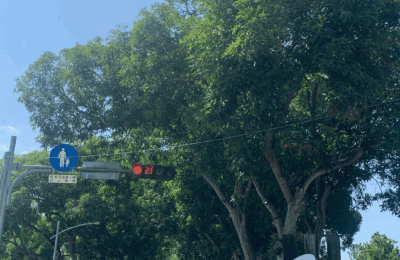
在云林,时间放慢了脚步。从斗六的木屋光影到古坑绿廊的甘蔗回声,从咖啡山的雨雾到夜市的咸酥鸡香气,一切都不急。这里教人重新学会生活、也让文明学会——慢。In Yunlin, time takes a slower breath. From the wooden eaves of Douliu to the green tunnel of Gukeng, from the misty coffee hills to the night market’s fried chicken scent—life moves gently here. This land teaches not progress, but presence; not rush, but rhythm.
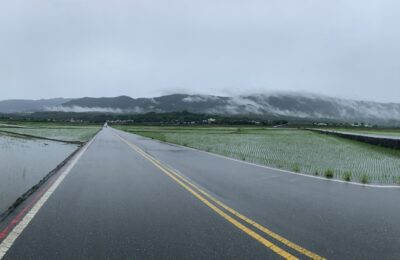
在台东池上,我先走进蒋勋书房的“慢与静”,再沿伯朗大道,将《楚辞》的旋律播进秧田。文字落土,节奏归田,一静一动,完成一次文明节气的闭环。// In Chishang, Taitung, I first stepped into the "slowness and stillness" of Chiang Hsun's study, then walked along Brown Boulevard, letting the melody of the "Chu Ci" flow into the rice fields. Words returned to the earth, rhythm returned to the land — stillness and motion completing one seasonal cycle of civilization.
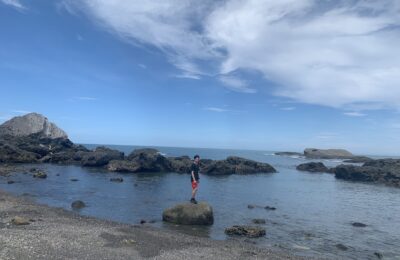
本篇为花莲东岸三地的文明记录:在芭崎唱给东君,在大石鼻录下撒奇莱雅族的三十秒海浪,在石梯坪播放《天问》的回音给岩层与海。这不是旅行,而是语气的修复,是裂缝中的听诗之书。// This piece records three cultural moments along the eastern coast of Hualien: singing to the East Lord at Baxi, capturing thirty seconds of the Sakizaya people's sea waves at Dashibi, and playing the echoes of "Tianwen" to the rocks and ocean at Shitiping. It is not a journey but a restoration of tone — a book of listening to poetry written within the fractures.
在广州,铁道的节奏从清晨展开——南站的动车,如歌般掠过晨光;不久,我走进铁路博物馆,在旧轨与路签之间,听见秩序的回声;一周后,绿皮车的慢行,让铁重新有了人声。速度、秩序与呼吸,在三处铁脉之间,汇成南方的节奏。In Guangzhou, the rhythm of the railway begins at dawn — high-speed trains at the South Station glide through the morning light like song. Soon after, I walk into the Railway Museum, where between old tracks and signal posts I hear the echo of order. A week later, the slow journey of a green train gives steel back its human voice. Speed, order, and breath converge across these three iron lines to form the rhythm of the South.
《红楼梦》第五回〈群芳髓〉是我节奏文明书写的起点。为了那一缕香,我曾写下六十篇高铁美学、六十二首歌曲。这次访北京大观园,不为考古,只为还梦。沿着曲径与水声,我让心与香一同散开——园林是书的身体,而我在梦的余韵中,再次行走文字。Chapter Five of Dream of the Red Chamber, “The Essence of All Flowers,” marks the beginning of my Rhythm Civilization writing. For that single wisp of incense, I once wrote sixty essays on railway aesthetics and sixty-two songs. My visit to Beijing’s Grand View Garden was not for archaeology but for the return of a dream. Along winding paths and murmuring waters, I let my heart drift with the scent — the garden became the body of the book, and within its lingering dream, I walked once more through words.
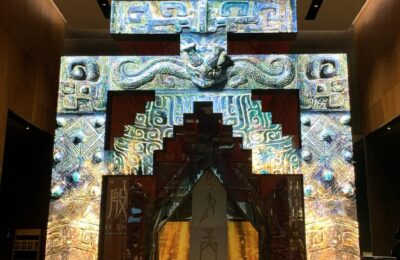
七十日文明行走闭环之日,我在北京大运河博物馆,为楚文明的水脉归位收坛,在殷商文明特展中,完成了命名安坛。我以湘夫人之魂、楚巫之身、楚国郡主之名分与责任,走入青铜与甲骨之间——收坛于水,安坛于土。这不是旅程的终点,而是上游文明重新唤出我名字的那一刻。On the final day of my seventy-day journey of civilization, I stood in the Beijing Grand Canal Museum to close the altar of the Chu civilization's water lineage, and within the Yin–Shang exhibition, I completed the naming and grounding of the altar. With the soul of Lady Xiang, the body of a Chu shaman, and the name and duty of a princess of Chu, I entered between bronze and oracle bone — closing the altar in water, setting the altar in earth. It was not the end of a journey, but the moment when the upper-stream civilization called my name once again.
在八达岭,我先向詹天佑纪念馆致意;其后乘 S2 沿原京张线南下。列车停在青龙桥时,《湘夫人》正巧响起——百年前,他以铁轨劈山;今日,我以泪眼折身,让歌与轨在山谷相遇。At Badaling, I first paid respect to the Zhan Tianyou Memorial, then boarded the S2 train southward along the original Beijing–Zhangjiakou Railway. When the train stopped at Qinglongqiao, the song "Lady Xiang" suddenly began to play — a century ago he cut through the mountains with rails; today I bowed with tearful eyes, letting music and track meet again in the valley.
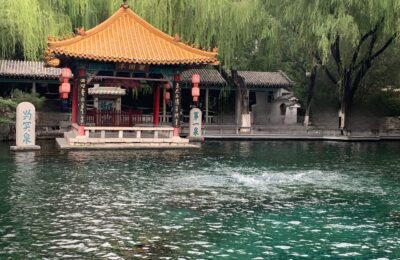
在济南,我听见了三种文明的声音:沉默的铁轨、仍在书写的字、以及泉水不息的回响。铁未响,但信已寄;泉在流,文明未断。In Jinan, I heard three sounds of the city’s civilization — the stillness of the railway, the words being written, and the endless murmur of the springs. Even when the trains are quiet, the message continues to travel; the water keeps flowing, and the spirit of civilization lives on.
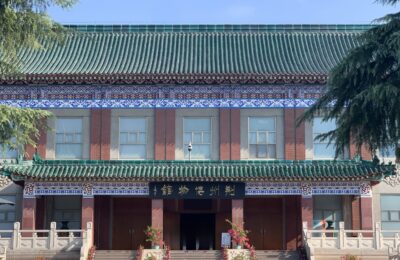
在荆州博物馆,我记住了几件召唤我的器物:玉佩的排列、玉覆面的注视、竹简的沉默,还有羽人的伫立。那些未能说出的“楚”,我用一个字写在车站的柱子上,为它们作证。那不是一次观展,而是一场封坛。楚简不在展柜里,而在我手心仍然温热的气息中。At the Jingzhou Museum, I remembered the objects that seemed to call to me — the arrangement of jade pendants, the silent gaze of the jade funerary mask, the stillness of bamboo slips, and the figure of the feathered man. For all that the word “Chu” could not yet say, I wrote a single character on a station pillar as testimony. It was not a visit to an exhibition, but the sealing of an altar. The Chu slips were not inside the display case; they were in the living breath resting in my palm.
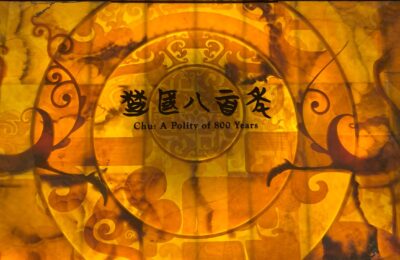
在武汉湖北省博物馆,我看见了楚国八百年的光与声——从越王勾践剑的锋芒,到楚子越鼎的重量;从车马阵的尘,到楚简的静默。那不是展览,而是一场文明的回声。我以凡人之身,穿越青铜与竹木,只为听见楚国仍在歌唱。At the Hubei Provincial Museum in Wuhan, I witnessed eight centuries of Chu civilization in light and sound — from the sharp brilliance of the Sword of Goujian to the weight of the Chu Ziyue bronze cauldron, from the dust of the chariot formation to the stillness of the Chu bamboo slips. It was not an exhibition but an echo of civilization. As a mortal among bronze and bamboo, I walked through time only to hear that the state of Chu is still singing.