《河底的115年人行道|漢堡如何把工人送到港口・老易北河隧道》|A 115-Year-Old Walkway Beneath the River | How Hamburg Brought Workers to the Port — The Old Elbe Tunnel
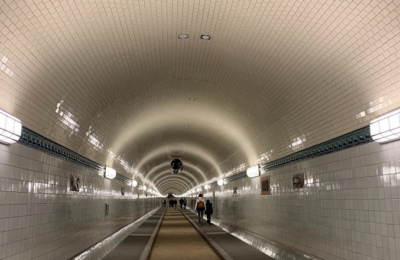
1911年启用的老易北河隧道,并不是为了船只或货物而建,而是为了每天往返汉堡港的工人而建。在易北河河床下方二十一公尺,白色磁砖、鱼形浮雕与百年电梯至今仍在使用。这条人行通道见证了港口扩张、工程冒险、战争轰炸与百年修复,也提醒人们:港口的繁荣在水面上,而维持流动的人,曾经在河底挖出一条路。 Opened in 1911, the Old Elbe Tunnel was built not for ships or cargo, but for the thousands of workers travelling daily to Hamburg’s port. Twenty-one metres beneath the Elbe River, its white tiles, fish reliefs, and century-old elevators are still in use today. The tunnel has witnessed port expansion, engineering challenges, war damage, and extensive restoration, reminding us that while prosperity appears on the water’s surface, the people who made movement possible once dug a road beneath the riverbed.