从博物馆、
历史遗址、
特展到田野调查,
我透过展览、
文物、
建筑与馆藏,
探索德国如何保存历史、
传承知识,
并呈现不同时代的文明发展。
这里讨论的不只是博物馆,
也是历史、
文化、
记忆,
以及文明如何被收藏、
研究与传递的故事。
Through museums,
historical sites,
special exhibitions
and field research,
I explore how Germany preserves history,
passes on knowledge,
and presents the development of civilizations through exhibitions,
collections,
architecture and cultural heritage.
This is not only a story about museums,
but also about history,
culture,
memory,
and the ways civilizations are preserved,
studied
and passed on to future generations.
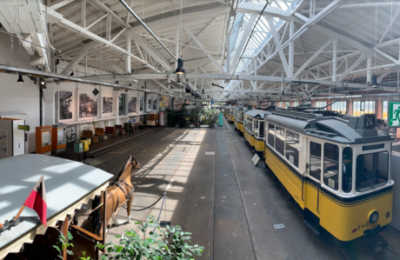
德国田野调查第二站,我进入了斯图加特有轨电车博物馆。这里保存的,不只是几台旧电车,而是一整座山城如何一百五十多年都没有停止流动。从马车铁路、票务系统、城市轨道,到维修文明与后台系统,我第一次这么清楚地看到:真正成熟的城市,最后研究的,不是如何更快,而是系统老了之后,如何继续运行。
During my second fieldwork stop in Germany, I visited the Stuttgart Tramway Museum. What is preserved here is not merely a collection of historic trams, but the long-term urban backstage system that has kept a mountain city moving for more than 150 years. From horse-drawn railways, ticket systems, and urban tram networks to maintenance culture and infrastructure management, this museum reveals a deeper question behind modern mobility: a mature city is not defined by speed alone, but by its ability to keep old systems running long after they age.
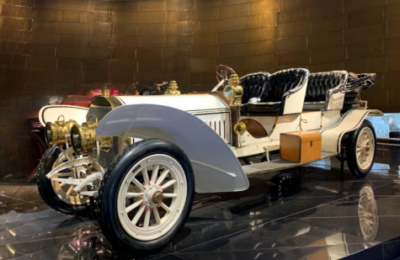
从第一台奔驰发动机,到Crash Tests、Airbag、TÜV、新能源与自动驾驶,这篇德国田野调查,并不只是关于“汽车”,而是德国工业文明,如何一步一步把“速度”,组织成一种长期运行的国家系统。而站在奔驰汽车博物馆里,来自楚国的目光,也重新提出了另一个问题:当车开始自己判断、自己驾驶之后,人,还算不算“驾”?
From the first Mercedes engine to crash tests, airbags, TÜV, electric vehicles and autonomous driving, this field research in Germany is not merely about automobiles. It is about how German industrial civilization gradually transformed “speed” into a long-term, highly organized national system. And inside the Mercedes-Benz Museum, a gaze from the ancient state of Chu raises another question: when a vehicle can drive and decide by itself, does the human inside still count as the one who “drives”?
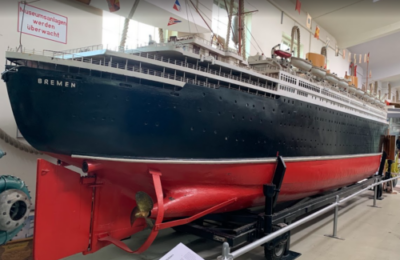
在德国 Speyer 科技博物馆里,我第一次真正把蒸汽火车、船、潜艇与国际空间站放进同一条文明线里。从楚国水路、到蒸汽火车、到太空站,人类始终都在学习同一件事:如何在离开原本环境之后,继续维持流动与生命。
At the Technik Museum Speyer in Germany, I placed steam locomotives, ships, submarines, and the International Space Station into the same civilizational line for the first time. From the waterways of Chu, to steam locomotives, to orbital stations, humanity has been learning the same lesson: how to sustain movement and life after leaving its original environment.