《从中原进入楚地》—— 郑州东至寿县的高铁上,九歌诸神一路相送
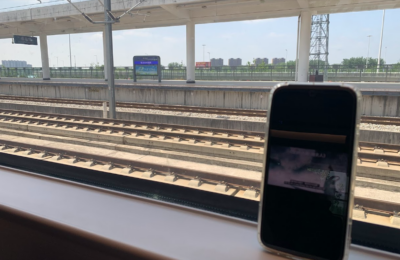
从郑州东到寿县的高铁上,我一路播放《楚辞·九歌》。当列车穿过豫东平原、驶向淮河流域时,河流、水塘、站点与歌声开始不断重叠。《国殇》《云中君》《大司命》《湘夫人》依序响起,现代高铁系统与两千多年前的楚地记忆,也在移动中的身体里重新接上。 On the high-speed rail journey from Zhengzhou East to Shouxian, I played songs based on the Nine Songs from the Chu Ci. As the train crossed the eastern Henan plains into the Huai River region, rivers, stations, landscapes, and ancient verses began to overlap. “Guoshang,” “Yun Zhong Jun,” “Da Si Ming,” and “Xiang Furen” unfolded one after another, while China’s modern high-speed rail system slowly reconnected with the memory of ancient Chu through a moving body.