《清华简〈廼命〉〈祷辞〉|楚国贵族的家族KPI与年终奖》
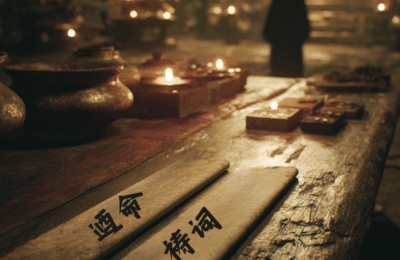
这篇文章以清华简〈廼命〉与〈祷辞〉为核心材料,将它们重新理解为楚国贵族的“管理双文档系统”:〈廼命〉像一份战国版的内控手册,负责遏制内耗、反腐败、阻断掮客网络,确保组织拥有稳定的底盘;〈祷辞〉则像一份递交给祖先的战略路演稿,通过展示投入、提出量化KPI、描绘百川归海式的宏大愿景,为组织争取资源与增长空间。两篇竹简共同揭示了楚人如何在制度与野心之间找到平衡——用最稳的规矩守住下限,用最大的目标拉高上限,让一个家族、一个组织、甚至一座文明,都能同时具备“专精特新”的增长飞轮。This article examines the Tsinghua bamboo texts Nai Ming and Dao Ci as a dual-management system used by Chu aristocratic clans. Nai Ming functions as an ancient internal-control manual that prevents organizational decay—curbing corruption, stopping rent-seeking, and keeping information flow aligned. Dao Ci acts as a strategic pitch to the ancestral board, showcasing prior investments, laying out quantifiable KPIs, and articulating a macro-vision as vast as “rivers returning to the sea.” Together, these two documents reveal how the Chu elite balanced discipline with ambition: stabilizing the lower boundary with rules, and expanding the upper boundary with vision, forming an early version of a “specialized-innovative growth flywheel.”