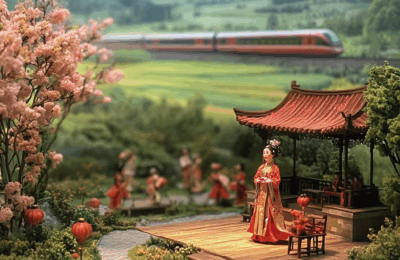
在江汉水网与古楚山川之间,我追溯八百年文明的脉动,
将祖源、典籍、巫仪、乐舞编织成一幅新的楚文明图景。
In the waterways and mountains of ancient Chu I trace the pulse of eight centuries of civilization, weaving ancestry, manuscripts, rituals and music into a living tapestry of Chu Civilization.

《諸神復活》是一場穿越時空的節奏召喚,以《楚辭·九歌》為原型,結合AI譜曲與人類感知,為十一位沉睡兩千年的神祇重塑聲音與節拍。這不僅是音樂計劃,更是節奏文明觀的一次實驗性實踐:在語言平面化與文化碎片化的時代,以節奏為線索,重建文明的深層律動。每一首歌對應一位神明的獨特節奏結構,從東皇太一的宇宙初響,到湘夫人的香霧回身,皆為文化之“呼吸”再生的回聲。當神祇沉默了兩千年,我們是否還能聽見他們的聲音?這篇博客,記錄的不只是創作過程,而是一場關於文明節拍能否被再次聽見的實驗與提問。“Resurrection of the Gods” is a rhythmic invocation across time and space, inspired by The Nine Songs from The Songs of Chu, integrating AI-generated compositions with human sensibility.
It reawakens divine voices that have slumbered for two millennia, reshaping sound and rhythm.
More than a musical project, it is an experiential practice of Rhythm Civilization: in an age flattened by language and fragmented by culture, it seeks to restore the deep pulse of civilization through rhythm and resonance.
Each song corresponds to a deity, forming unique rhythmic structures — from the cosmic resonance of the Sun Emperor to the fragrant return of the Lady of the Xiang River — all echoing the rebirth of cultural “breath.”
If the divine voices have been silent for two thousand years, can we still hear their echoes now? This blog records not merely a creative process, but an experiment and inquiry into whether the pulse of civilization can still be heard through rhythm itself.
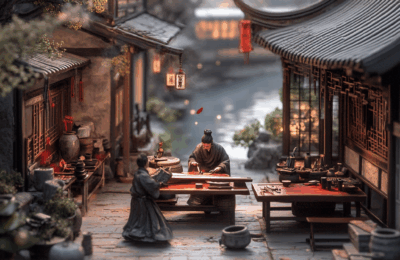
在高铁上,听见千年之声,看见光之温润,这是一段穿越古今的文化旅程,它从湖北荆州出发,沿着汉宜铁路疾驰而行,却不为速度所困,反而在疾驰中拾起那些被时间打磨出的细节之美。一张楚琴,斫木藏音,静默如古人之心声;一器楚漆,百笔藏光,温润似深山夜色。而高铁,以自身之速,托举那份古老的温柔走得更远。这是一次非遗技艺的重访,也是一次文明深处的回响—在木与漆之间,听见中国文化不疾不徐的心跳;在风与铁之间,看见光与声跨越千山万水的回归。高铁之速,非为忘记,而是为了更好地抵达。On a high-speed train, we hear voices from a thousand years and see the tenderness of light—this is a cultural journey across past and present. It departs from Jingzhou, Hubei, races along the Han–Yichang Railway, and yet is not constrained by speed; instead, in the rush it gathers the beauties of detail burnished by time. A Chu qin: sound hidden in carved wood, silent as the ancients’ heart-voice. A vessel of Chu lacquer: a hundred strokes storing light, as gentle as night in the deep mountains. And the high-speed rail, by its very velocity, carries that ancient softness farther.
This is a return to intangible crafts and an echo from the depths of civilization—between wood and lacquer, we hear the unhurried heartbeat of Chinese culture; between wind and steel, we witness the homecoming of light and sound across a thousand peaks and rivers. The speed of rail is not for forgetting, but for arriving more truly.
在疾驰的京广高铁与沉稳的铜锣之间,这篇文章带我们穿行于传统与现代、速度与回响的双重节奏中。铜锣,不仅是一种乐器,更是一座城市的心跳、一种文化的低频回声。从打铜街的历史烟火,到《武汉十二锣》的世界首演,从千锤百炼的匠心技艺,到高铁焊工与铜匠之间的“声音对话”,我们听见的不只是一声锣响,而是一段延续千年的文明节律。本篇以文为声,为武汉锣声留下一笔当代书写,也为读者打开一条通往城市灵魂的声音隧道。Between the rushing Beijing–Guangzhou high-speed rail and the steady hum of bronze gongs, this essay moves through twin tempos—tradition and modernity, speed and echo. A gong is not merely an instrument; it is a city’s heartbeat, a low-frequency resonance of culture. From the smoky bustle of Copper-Beating Street to the world premiere of The Twelve Gongs of Wuhan, from craft tempered by a thousand hammer blows to the “dialogue of sound” between HSR welders and coppersmiths, what we hear is more than a single strike—it is the civilizational rhythm sustained across a millennium. This piece makes sound out of prose, leaving a contemporary record of Wuhan’s gong-tone and opening for readers a sonic tunnel into the city’s soul.
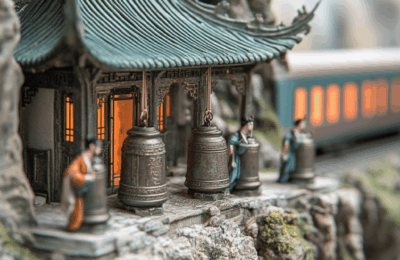
《乐动楚风》是一段穿越2400年的文化回响,也是一场古今中国的文明对话。文章以随州出土的曾侯乙编钟为起点,这套被誉为“金声玉振”的青铜礼乐重器,不仅是先秦音乐技术的巅峰,更是中华礼乐制度的声音化表达。它所铭刻的3755字乐律铭文,被联合国列入《世界记忆名录》,见证了中国古代节奏之精密。当汉十高铁疾驰而来,从武汉的长江涛声到随州的钟鸣,一场来自地下与地表、青铜与钢铁的双重奏悄然展开。高铁代表的是现代中国的速度与脉搏,编钟代表的是古代中国的节奏与秩序。两者在随州交汇,奏响的不仅是城市的过去与未来,更是中国文化在时空中的自省与奔赴。Resounding Chu is a cultural echo spanning 2,400 years—and a dialogue between ancient and modern China. The journey begins with the Zeng Hou Yi bianzhong unearthed in Suizhou: a bronze ritual-and-musical masterpiece famed as “golden sound and jade resonance.” It marks the pinnacle of pre-Qin musical technology and gives audible form to the rites-and-music order of Chinese civilization. Its 3,755-character inscription on pitch and scale—inscribed by UNESCO on the Memory of the World Register—attests to the astonishing precision of ancient Chinese rhythm.
As the Wuhan–Shiyan high-speed rail hurtles into motion, from the Yangtze’s surge in Wuhan to the bell-tones of Suizhou, a quiet duet unfolds between earth and surface, bronze and steel. The railway embodies the velocity and pulse of contemporary China; the chime-bells, the rhythm and order of antiquity. Converging in Suizhou, they sound not only a city’s past and future, but China’s self-reflection—and its onward journey—across time and space.
黄梅戏,一种源于湖北山野的乡音,被安徽安庆锤炼成中国五大剧种。黄黄高铁自西而来,穿越黄梅东站,却略过了真正的县城与戏曲源头,仿佛命运里唱错的一笔。这一篇文章,追踪一段戏调的迁徙之旅:从采茶调的田间清唱,到安庆舞台上的百年大成,再到高铁时代的风声过耳与站名闪现。唱腔与车速交错,一声“黄梅”,跨越地理,也深植人心—这是高铁上的乡音地图,也是一段未曾停驻,却从未走远的文化回响。Huangmei opera—born as a rustic dialect of Hubei’s hills and honed in Anqing, Anhui into one of China’s five great operatic forms. The Huanggang–Huangmei high-speed line sweeps in from the west, passes through Huangmei East Station, yet skirts the true county seat and the art’s original wellspring—as if fate had sung a wrong note.
This essay traces the migration of a melody: from the fieldside cai-cha-diao tea-picking tunes, to a century of consummation on Anqing’s stages, and onward to an age when the wind of high-speed trains rushes past and station names flicker by. Vocal lines and train speed intersect; one cry of “Huangmei” crosses geography and takes root in the heart. It is a map of hometown sound drawn upon the rails—and a cultural echo that never made a full stop, yet has never gone far.
沿着武杭高鐵,一縷蕲艾香氣穿越四百年時光,引領旅人走進李時珍的本草世界。這位明代醫聖,以蕲州艾草為筆下常客,寫下《本草綱目》的千草萬物。從鄉野田畦到高鐵車廂,艾香不僅是藥氣,更是中醫智慧與人間溫度的連結。這不只是旅程,更是一場關於信念與療癒的對話。Along the Wuhan–Hangzhou high-speed rail, a wisp of Qizhou mugwort rises across four centuries, guiding travelers into Li Shizhen’s world of materia medica. This great Ming physician made Qizhou mugwort a frequent presence in his writings, inscribing the myriad plants of creation into the Compendium of Materia Medica. From country fields to train carriages, the scent of moxa is not only medicinal air—it is a link between the wisdom of Chinese medicine and the warmth of ordinary life. This is more than a journey; it is a conversation about conviction and healing.