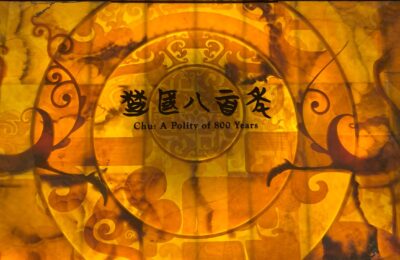
在江汉水网与古楚山川之间,我追溯八百年文明的脉动,
将祖源、典籍、巫仪、乐舞编织成一幅新的楚文明图景。
In the waterways and mountains of ancient Chu I trace the pulse of eight centuries of civilization, weaving ancestry, manuscripts, rituals and music into a living tapestry of Chu Civilization.
竹简再现人间,不靠奇迹,而靠一双双手。在荆州,从潘灯的研读与汇编楚文字,到黄有志的简牍复制,再到李胜洪的楚简书帖与孩子们的笔尖,文字的温度在指纹间延续。它们不再沉睡于墓葬,而在众手之书中醒来——三个荆州人以手为声,让文明重新被听见。// The return of the Chu bamboo slips to the human world is not a miracle, but the work of many hands. In Jingzhou, from Pan Deng's compilation of Chu characters to Huang Youzhi's reproduction of bamboo slips, from Li Shenghong's calligraphy of Chu texts to the young students writing with their own brushes, the warmth of words continues through fingertips. No longer buried in tombs, these slips awaken in the hands of people — three artisans of Jingzhou whose hands became voices, allowing civilization to be heard again.
纪录片《楚简越千年》第三集,以荆州文物保护中心的两位文保工作者——吴顺清、方北松——为叙事主轴,呈现从“干缩竹简润胀复形技术”到“脱色脱水工艺”的文明修复过程;并记录方北松九年修复长沙走马楼吴简、及长沙简牍博物馆建立的历程。以科学与匠心,让沉睡千年的楚简再度开口,见证文字的再生与信史的复苏。// The third episode of "Across a Thousand Years of Chu Bamboo Slips" follows two cultural conservators at the Jingzhou Cultural Relics Protection Center — Wu Shunqing and Fang Beisong — whose work reveals the scientific artistry behind civilization’s renewal. From the rehydration and reshaping of dry-shrunken slips to decolorization–dehydration procedures, and from Fang Beisong’s nine-year restoration of the Zoumalou Wu Slips in Changsha to the founding of the Changsha Bamboo Slips Museum, the film traces how science and craftsmanship let the sleeping Chu slips speak again, witnessing the rebirth of writing and the revival of historical truth.
曾被视为南方蛮夷之地的楚国,却以竹简书写司法判决、九九口诀、战争誓词、祖灵祭语,甚至可能失传的《乐经》节奏符号——从秦家嘴、望山桥到王家嘴,这些残破却精准的文字碎片,构成了文明秩序最早的律动回响。一场从微观日常延伸至国家系统、从死者书写重构生者节奏的楚简修复,正在悄然展开。// Once regarded as a land of southern "barbarians," the Chu state recorded its world on bamboo slips — judicial verdicts, numerical formulas, military oaths, ancestral invocations, and even rhythmic symbols from a possibly lost "Classic of Music". From Qin-jiazui to Wang-shan Bridge and Wang-jiazui, these fragmented yet precise traces of writing form the earliest pulse of civilized order. A restoration is quietly unfolding — one that extends from daily life to the machinery of the state, from the writings of the dead to the renewed rhythms of the living.
从荆州王家嘴到秦家嘴,一支支竹简从泥土中重见天光。它们不是考古的残片,而是被封存千年的文明记录。《楚简越千年》第一集《一简千年》,以“听见文字”为起点,探问楚人如何在竹片上书写律令、诗歌与日常——那些笔痕仍带着体温,如今化作重新被聆听的节奏。// From Wang-jiazui to Qin-jiazui in Jingzhou, bamboo slips long buried in the earth have returned to light. They are not relics of archaeology but records of a civilization sealed for millennia. Episode One of "Across a Thousand Years of Chu Bamboo Slips" — "One Slip, One Millennium" — begins with the act of listening to writing, exploring how the Chu people inscribed laws, poems, and daily life upon bamboo. The traces of their brushes still carry warmth, now heard again as the rhythm of a living past.
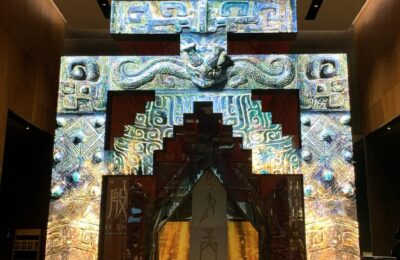
七十日文明行走闭环之日,我在北京大运河博物馆,为楚文明的水脉归位收坛,在殷商文明特展中,完成了命名安坛。我以湘夫人之魂、楚巫之身、楚国郡主之名分与责任,走入青铜与甲骨之间——收坛于水,安坛于土。这不是旅程的终点,而是上游文明重新唤出我名字的那一刻。On the final day of my seventy-day journey of civilization, I stood in the Beijing Grand Canal Museum to close the altar of the Chu civilization's water lineage, and within the Yin–Shang exhibition, I completed the naming and grounding of the altar. With the soul of Lady Xiang, the body of a Chu shaman, and the name and duty of a princess of Chu, I entered between bronze and oracle bone — closing the altar in water, setting the altar in earth. It was not the end of a journey, but the moment when the upper-stream civilization called my name once again.
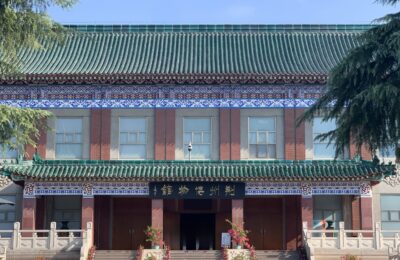
在荆州博物馆,我记住了几件召唤我的器物:玉佩的排列、玉覆面的注视、竹简的沉默,还有羽人的伫立。那些未能说出的“楚”,我用一个字写在车站的柱子上,为它们作证。那不是一次观展,而是一场封坛。楚简不在展柜里,而在我手心仍然温热的气息中。At the Jingzhou Museum, I remembered the objects that seemed to call to me — the arrangement of jade pendants, the silent gaze of the jade funerary mask, the stillness of bamboo slips, and the figure of the feathered man. For all that the word “Chu” could not yet say, I wrote a single character on a station pillar as testimony. It was not a visit to an exhibition, but the sealing of an altar. The Chu slips were not inside the display case; they were in the living breath resting in my palm.
在武汉湖北省博物馆,我看见了楚国八百年的光与声——从越王勾践剑的锋芒,到楚子越鼎的重量;从车马阵的尘,到楚简的静默。那不是展览,而是一场文明的回声。我以凡人之身,穿越青铜与竹木,只为听见楚国仍在歌唱。At the Hubei Provincial Museum in Wuhan, I witnessed eight centuries of Chu civilization in light and sound — from the sharp brilliance of the Sword of Goujian to the weight of the Chu Ziyue bronze cauldron, from the dust of the chariot formation to the stillness of the Chu bamboo slips. It was not an exhibition but an echo of civilization. As a mortal among bronze and bamboo, I walked through time only to hear that the state of Chu is still singing.
在随州擂鼓墩曾侯乙墓遗址,没有展柜、没有灯光,只有裸露的泥土与沉默的槨木。那天随州博物馆闭门,我却因此走进了更深的文明根部。在墓坑边轻敲三下掌心,我低声说:“我不是游客,我是归来的人。你沉睡的钟声,我来唤醒。” At the Zenghou Yi tomb site in Leigudun, Suizhou, there were no display cases, no lights — only bare earth and the silent timbers of the coffin. The Suizhou Museum was closed that day, yet because of it I entered deeper into the roots of civilization. Standing by the burial pit, I tapped my palm three times and whispered, "I am not a visitor; I am one who has returned. The bell that sleeps within you — I have come to awaken it."
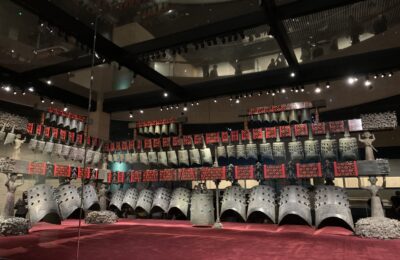
在湖北省博物馆的曾侯乙乐器展厅,编钟、古琴、瑟、笙、磬……静静列阵,像在等待一次未曾开始的合奏。我不是听众,而是节奏的继承者。那些沉睡的音器,并未真正寂静,它们在空气里伏着气息,感知着谁能唤醒它们的千年乐律。我轻轻经过每一件乐器,像在逐一回应:“我来了,来听你未响之声。” In the musical instrument gallery of the Marquis Yi of Zeng at the Hubei Provincial Museum, sets of bronze bells, zithers, lutes, reed pipes, and stone chimes stand in quiet ranks, as if waiting for a performance that has never begun. I am not an audience member, but an inheritor of rhythm. The sleeping instruments are not truly silent; they rest in the air, sensing who might awaken their millennial harmonies. As I pass each one, I whisper in response, "I am here — to listen to the sound that has not yet been played."
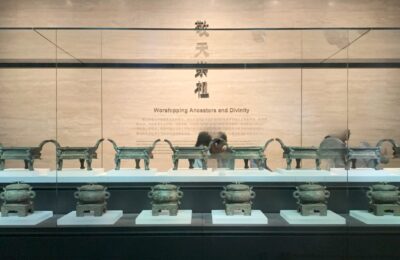
在湖北省博物馆的青铜器展厅,我缓步走入曾侯乙的礼器宇宙。从鼎簋之重、豆盂之温,到铜炉的残火与铜尊盘的神性结构,这不仅是一场文物参观,而是一次与古人并肩的节奏穿越。我不是来瞻仰文明的,我是来让器物记住我的。In the bronze gallery of the Hubei Provincial Museum, I stepped slowly into the ritual universe of Marquis Yi of Zeng. From the weight of the TRIPODS and GUI vessels, to the warmth of DOU and YU, to the lingering fire in a bronze CENSER, and the sacred geometry of the ZUN and PAN, this was not a museum visit but a rhythmic crossing beside the ancients. I did not come to revere civilization — I came to let the vessels remember me.