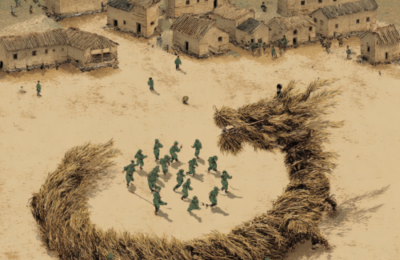
端公舞,流传于湖北襄阳南漳的山村,是一种以“迎、敬、安、送”四段为核心的仪式性舞蹈。
它不是舞台艺术,而是村落用来祈安、驱疫、送别、镇宅的实际做法。
六步、舞式、指诀、队形——
动作在身体里保存着楚地巫仪的逻辑;
村落的需要,让这套方法持续运作两千年。
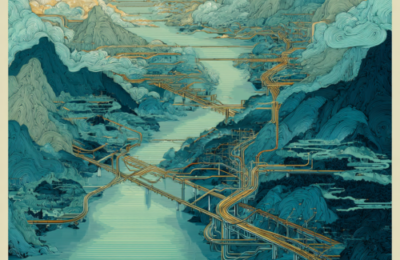
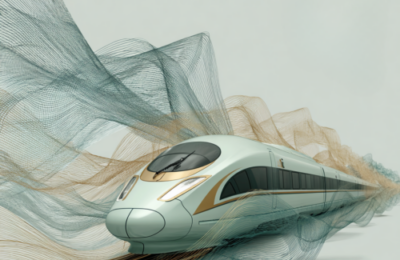
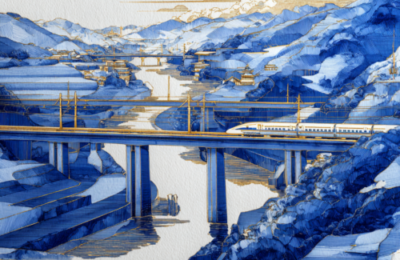
郑渝高铁让南漳成为“可抵达的传统”。
空间被打开,节律被看见;
舞没有改变,只是多了一条能够抵达它的路径。
端公舞提示我们:
文明不只靠记住,也靠继续做。
那些在时间里不断被重复的动作,
正是文明真实的心跳。
The Duan Gong Dance, preserved in the mountain villages of Nanzhang in Xiangyang, Hubei, is a ritual dance built around four movements—welcoming, honoring, settling, and sending.
It is not a stage performance, but a living practice used to bless, appease, protect, and restore order within the community.
Six basic steps, ritual poses, hand seals, and shifting formations
carry the logic of ancient Chu shamanic traditions—
sustained not through written records,
but through the needs and repetitions of daily life.
The Zhengzhou–Chongqing High-Speed Railway has made Nanzhang newly reachable.
Space opens; rhythm becomes visible.
The dance remains unchanged—only the path to reach it has expanded.
The Duan Gong Dance reminds us that
civilization endures not by remembering alone,
but by continually being done.
The gestures repeated across time
are the true heartbeat of a culture.