《越音未央》|越剧 · 沪昆  + 杭台高铁 · 上海 – 浙江绍兴嵊州

这是一趟从申城舞台到剡溪水畔的文化穿越,也是一曲由越剧、铁路与时代共同谱写的温柔合唱。《越音未央》以青春越剧《我的大观园》为引,以沪昆与杭台两条高铁为线,勾勒出一幅“流动的江南抒情”。文章回望越剧百年,从“草台男班”到“数字剧场”,从《新龙门客栈》的沉浸快意到《我的大观园》的梦境流转,它讲述的不只是戏剧的变与不变,更是一个剧种与时代并肩前行的生命力。借由高铁这条现代动脉,越音不再局限于舞台之上,而是成为可被听见、被抵达、被传承的文化日常。在速度中呼应缓慢,于钢轨间守护柔声,越剧与高铁共同构建出当代中国文化最柔韧也最坚定的回响。This is a cultural crossing from the stages of Shanghai to the banks of the Shanxi River—also a gentle chorus composed by Yue opera, railways, and our times. Taking the youth production My Grand View Garden as its prelude, and tracing the Shanghai–Kunming and Hangzhou–Taizhou high-speed lines as its staff lines, Yue Echo, Unending sketches a “moving Jiangnan lyric.” Looking back on a century of Yue opera—from “grass-stage male troupes” to “digital theaters,” from the immersive rush of New Dragon Gate Inn to the dreamlike currents of My Grand View Garden—the essay tells not only of what changes and what endures, but of a genre’s vitality as it walks shoulder to shoulder with its era. Through the modern artery of HSR, Yue opera is no longer confined to the stage; it becomes part of everyday culture—heard, reached, and passed on. Answering slowness within speed, guarding a soft voice between steel rails, Yue opera and high-speed rail together form one of contemporary China’s most supple—and most steadfast—resonances.

Weiterlesen《越音未央》|越剧 · 沪昆  + 杭台高铁 · 上海 – 浙江绍兴嵊州

《笙歌不息》|芦笙 · 贵广高铁 · 贵州从江 

在从江,一声芦笙划破云雾,动车银影穿山而至。这不是速度与传统的碰撞,而是一场节奏的重组,一次文化的共鸣。本文追溯芦笙这一古老乐器,在贵广高铁时代如何持续发声。从竹管到银轨,从芦笙坪到动车站,芦笙、高铁与云梦国土,共同奏响一场跨越技艺、材质与时代的三重唱。它们在苗岭山谷彼此唱和,交织进中国文化复兴的复调节奏。芦笙是苗族的族声,高铁是国家的脉动,而教育与传承,则是它们奔赴的共同远方。这不仅是一篇关于非遗的记录,也是一次倾听当代中国脉搏的尝试—聆听那深藏于山水之间、仍在继续生长的声音。In Congjiang, a single note from the lusheng cuts through the clouds as a silver EMU slips through the mountains. This is not a collision between speed and tradition, but a reassembly of rhythm—a resonance of culture. The essay traces how this ancient instrument continues to sound in the era of the Guiyang–Guangzhou high-speed rail: from bamboo pipes to silver rails, from the lusheng gathering grounds to the station platforms. Lusheng, HSR, and the dreamlike homeland join in a triple chorus that spans craft, material, and time. In the valleys of the Miao Range, they answer one another, weaving a polyphonic rhythm into China’s cultural renewal. The lusheng is the Miao people’s native voice; high-speed rail is the nation’s pulse; and education and inheritance are the destination they share. This is not only a record of intangible heritage—it is an attempt to listen to the heartbeat of contemporary China, to the sound hidden among mountains and waters that continues to grow.

Weiterlesen《笙歌不息》|芦笙 · 贵广高铁 · 贵州从江 

《楚光流韵》|楚式斫琴 + 楚式漆艺· 汉宜铁路 · 湖北荆州

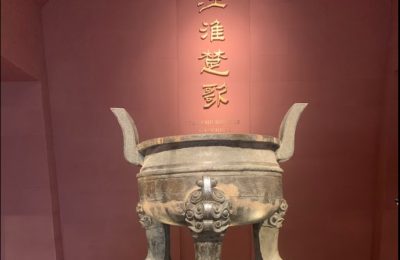
在高铁上,听见千年之声,看见光之温润,这是一段穿越古今的文化旅程,它从湖北荆州出发,沿着汉宜铁路疾驰而行,却不为速度所困,反而在疾驰中拾起那些被时间打磨出的细节之美。一张楚琴,斫木藏音,静默如古人之心声;一器楚漆,百笔藏光,温润似深山夜色。而高铁,以自身之速,托举那份古老的温柔走得更远。这是一次非遗技艺的重访,也是一次文明深处的回响—在木与漆之间,听见中国文化不疾不徐的心跳;在风与铁之间,看见光与声跨越千山万水的回归。高铁之速,非为忘记,而是为了更好地抵达。On a high-speed train, we hear voices from a thousand years and see the tenderness of light—this is a cultural journey across past and present. It departs from Jingzhou, Hubei, races along the Han–Yichang Railway, and yet is not constrained by speed; instead, in the rush it gathers the beauties of detail burnished by time. A Chu qin: sound hidden in carved wood, silent as the ancients’ heart-voice. A vessel of Chu lacquer: a hundred strokes storing light, as gentle as night in the deep mountains. And the high-speed rail, by its very velocity, carries that ancient softness farther. This is a return to intangible crafts and an echo from the depths of civilization—between wood and lacquer, we hear the unhurried heartbeat of Chinese culture; between wind and steel, we witness the homecoming of light and sound across a thousand peaks and rivers. The speed of rail is not for forgetting, but for arriving more truly.

Weiterlesen《楚光流韵》|楚式斫琴 + 楚式漆艺· 汉宜铁路 · 湖北荆州

《指路千秋》|万安罗盘 · 杭黄高铁 · 安徽歙县 – 休宁县

在中国安徽的徽州腹地,万安罗盘静默转动了六百年,以一针一线丈量天地经纬。而今,一条高铁穿山越岭,从杭州驶向黄山,在速度与静谧之间,唤起一场跨越千年的文化回响。本篇文章讲述的是一场跨时空的相遇:古老的万安罗盘与现代的杭黄高铁,一器一轨,一静一动。高铁不仅穿越徽州,更踏入一枚圆盘凝定的东方智慧之中—方向从未只是地理所指,更是文化与精神的定位。在数字孪生与磁针之间,在木纹与钢轨之间,我们重新思考:何为坐标?何为归途?当工程让位于山形地脉,当速度学会聆听历史的回声,一条真正的“中国式轨道”,正缓缓铺陈。In the heart of Huizhou, Anhui, the Wan’an luopan has turned in silence for six centuries, measuring heaven and earth with needle and thread of compass lines. Now a high-speed line tunnels through mountains, running from Hangzhou to Huangshan; between velocity and stillness it summons a cultural echo that spans a thousand years. This essay tells of a meeting across time: the ancient Wan’an compass and the modern Hangzhou–Huangshan HSR—one instrument, one rail; one at rest, one in motion. The railway does more than cross Huizhou; it enters the circular field of Eastern wisdom fixed within a single dial—direction has never been merely geographic, but a locating of culture and spirit. Between digital twins and the magnetic needle, between wood grain and steel track, we ask anew: what is a coordinate, and what is a way home? When engineering yields to the lay of mountains and veins of earth, when speed learns to listen to history’s echo, a truly “Chinese” track begins to unfurl, slowly and surely.

Weiterlesen《指路千秋》|万安罗盘 · 杭黄高铁 · 安徽歙县 – 休宁县

《琉光万象》|淄博玻璃 · 济青高铁 · 山东淄博

《琉光萬象》是一場從千年琉璃到當代高鐵的光之對話。靈感取自《紅樓夢》第四十九回「琉璃世界白雪紅梅」,文章踏入淄博這座因火而生的城市,追溯琉璃由青銅副產走向獨立工藝的歷史脈絡,凝視火與礦的愛戀,與匠人手中那份對時間的信仰。在烈焰中成形的琉璃,不僅是器物,更是文化的記憶。而當濟青高鐵穿越淄博,兩者在同一片土地上展開詩意交會——速度與緩慢、現代與古法、流線與手工,皆匯成「光」的兩端。其中也書寫了王俠軍這位「為器而生」的琉璃与白瓷匠师,他以脫蠟鑄造法將東方哲思注入琉璃器物,讓火光成為信仰的形狀。這篇文章是對非遺與未來的雙重凝視,也是一封獻給中國美學與工艺的情書。Glaze of Myriad Lights is a dialogue of light from millennia-old glass to contemporary high-speed rail. Inspired by Chapter 49 of Dream of the Red Chamber—“A Crystal World of White Snow and Red Plum”—the essay steps into Zibo, a city born of fire, tracing how glass evolved from a byproduct of bronze to an independent craft. It gazes upon the courtship of flame and ore, and upon the artisans’ faith in time. Glass formed in raging fire is not merely an object, but a vessel of cultural memory. When the Jinan–Qingdao HSR cuts across Zibo, the two meet poetically upon the same soil—speed and slowness, modern technique and ancient method, streamlined form and handmade touch—converging as the two poles of “light.” The piece also portrays Wang Xiagun, a master of glass and blanc de chine “born for the vessel,” who, through lost-wax casting, infuses Eastern thought into glassware, shaping firelight into a kind of devotion. This essay is a double gaze toward intangible heritage and the future—also a love letter to Chinese aesthetics and craft.

Weiterlesen《琉光万象》|淄博玻璃 · 济青高铁 · 山东淄博

《皮语匠心》|蒙古皮艺 · 京包高铁 · 呼和浩特

在呼和浩特的晨雾中,一列高铁飞驰而至,一幅皮雕静默陈列。《皮语匠心》带你走进蒙古族皮艺的时光深处,从马背到展厅,从刀火到信仰。这门古老工艺以牛皮为纸、铁笔为墨,记录着草原的风、祖先的图腾、民族的美学记忆。文章深描皮雕的工艺流程与历史渊源,回望其在周礼制度与八音之中的文化起点;同时联结现代—在京包高铁的流速之中,皮艺以另一种节奏重新发声。它不喧哗,却留痕于温度与时光之间,是游牧文明在今天仍低语不息的文化之“皮”。速度与静默在这里交汇,形成一场关于民族记忆、地理精神与艺术手艺的多重回响。In Hohhot’s morning mist, a high-speed train rushes in as a piece of leather carving rests in quiet display. Speech of Hide, Heart of Craft leads you into the deep time of Mongolian leather art—from horseback to gallery, from blade and fire to faith. This ancient craft uses cowhide as paper and an iron stylus as ink, recording the steppe wind, ancestral totems, and a people’s aesthetic memory. The essay details the processes and lineage of leather carving, tracing its cultural beginnings back to the Zhou rites and the schema of the Eight Sounds; it also links to the present—within the swift current of the Beijing–Baotou HSR, leatherwork finds a new voice at a different tempo. It is unboastful, yet leaves its trace between warmth and time: the “skin” of a nomadic civilization that still whispers today. Here, speed and stillness converge, forming layered echoes of ethnic memory, geographic spirit, and artisanal art.

Weiterlesen《皮语匠心》|蒙古皮艺 · 京包高铁 · 呼和浩特

《一锤定音》|武汉铜锣 · 京广高铁 · 湖北武汉

在疾驰的京广高铁与沉稳的铜锣之间,这篇文章带我们穿行于传统与现代、速度与回响的双重节奏中。铜锣,不仅是一种乐器,更是一座城市的心跳、一种文化的低频回声。从打铜街的历史烟火,到《武汉十二锣》的世界首演,从千锤百炼的匠心技艺,到高铁焊工与铜匠之间的“声音对话”,我们听见的不只是一声锣响,而是一段延续千年的文明节律。本篇以文为声,为武汉锣声留下一笔当代书写,也为读者打开一条通往城市灵魂的声音隧道。Between the rushing Beijing–Guangzhou high-speed rail and the steady hum of bronze gongs, this essay moves through twin tempos—tradition and modernity, speed and echo. A gong is not merely an instrument; it is a city’s heartbeat, a low-frequency resonance of culture. From the smoky bustle of Copper-Beating Street to the world premiere of The Twelve Gongs of Wuhan, from craft tempered by a thousand hammer blows to the “dialogue of sound” between HSR welders and coppersmiths, what we hear is more than a single strike—it is the civilizational rhythm sustained across a millennium. This piece makes sound out of prose, leaving a contemporary record of Wuhan’s gong-tone and opening for readers a sonic tunnel into the city’s soul.

Weiterlesen《一锤定音》|武汉铜锣 · 京广高铁 · 湖北武汉

《知音如约》|古琴 · 西成高铁 · 四川成都

在中国西南,一条穿越秦岭的高速铁路与一件传承千年的乐器,悄然于成都交汇。西成高铁,是科技的奇迹,是穿越山河的力量;古琴,是文化的低语,是时间深处的心音。《知音如约》以古琴为线,以高铁为路,展开一幅穿越古今的文化画卷。文章带你走进蜀派古琴的灵魂深处,聆听《流水》穿越千年的回响;沿着高铁的轨迹,感受成都这座城市在“静”与“动”之间的双重节奏。琴者,情也;轨者,行也。一静一动之间,我们或许能回答那个久远的问题:谁,听见了谁的灵魂?

Weiterlesen《知音如约》|古琴 · 西成高铁 · 四川成都

《天上琼花》|粤剧 ·  南广 +  广深港高铁 ·  广州 – 佛山

當南廣高鐵與廣深港高鐵飛馳於嶺南大地,粵劇的悠悠腔韻悄然浮現於車窗之外。這篇文章從《帝女花·香夭》那句「落花滿天蔽月光」展開,以戲曲與鐵道的雙聲部對話,述說一條連接故鄉與遠方、速度與情感、現代與傳統的文化軌跡。粵劇不再局限於廟會戲臺,而是乘高鐵同行於萬里歸途。她是南國紅氍毹之魂,是廣府人鄉音未改的記憶之所;而高鐵,是現代中國的速度象徵,也是文化的載體與延伸。透過紅線女與紅虹的雙代記憶、佛山與廣州的命脈共振,本篇文字描繪出一幅既詩意又深情的中國戲曲與鐵道融合畫卷,訴說一場關於家、鄉愁與文化傳承的動人旅程。As the Nanning–Guangzhou and Guangzhou–Shenzhen–Hong Kong high-speed lines race across the Lingnan plain, the lingering melodies of Cantonese opera rise quietly beyond the window. Taking the line “Falling flowers veil the moonlit sky” from The Reincarnation of Fragrance (Di Nü Hua · Xiang Yao) as its point of departure, this essay stages a two-voiced dialogue between opera and railway—mapping a cultural trajectory that connects home and afar, speed and feeling, modernity and tradition. Cantonese opera is no longer confined to temple fairs and makeshift stages; it rides the high-speed rails along the ten-thousand-li homeward route. It is the soul of the southern red felt stage, the place where Cantonese people keep their native tones unchanged; and high-speed rail is the emblem of contemporary China’s velocity—a carrier and extension of culture itself. Through the paired memories of Hung Sin Nui and Hung Hong, and the pulsing resonance between Foshan and Guangzhou, this piece sketches a lyrical, heartfelt tableau where Chinese opera and railway converge—telling a moving journey of home, homesickness, and cultural transmission.

Weiterlesen《天上琼花》|粤剧 ·  南广 +  广深港高铁 ·  广州 – 佛山

《纸语山川》|古法造纸 · 沪昆高铁 ·贵州石桥

在贵州丹寨的石桥村,一张纸要经历数十道至120道纯手工工序,才能从构皮麻与山泉中缓缓诞生。石桥,这座因纸得名的苗寨,被誉为“中国古法造纸之乡”“活态博物馆”。纸香萦绕吊脚楼,水碓声声响彻山谷,这里保留着东汉至今的制纸技艺,纸薄如蝉翼,寿可千年。与此同时,沪昆高铁自上海出发,一路向西,在黔东南设下“文脉驻足”—凯里南站。旅人下车,转乘至石桥,仿佛从时速300公里的钢铁轨道,走入一帧帧竹帘之下的纤维时光。本篇博客文带你踏上这条文化对话之旅,在高铁与古纸的交汇处,感受“速度”与“温度”的双向奔赴。In Shiqiao Village, Danzhai, Guizhou, a single sheet of paper undergoes dozens—up to 120—entirely hand-crafted steps before it slowly emerges from kozo bark and mountain spring water. Shiqiao, a Miao village named for paper itself, is hailed as “the homeland of ancient papermaking” and a “living museum.” The scent of paper lingers beneath stilted houses; water-hammers echo through the valley. Here, techniques preserved since the Eastern Han yield sheets thin as cicada wings and lasting for a thousand years. Meanwhile, the Shanghai–Kunming high-speed rail departs the coast and sweeps westward, pausing in Qiandongnan at Kaili South—set like a “cultural stopover” along the line. Travelers disembark and transfer to Shiqiao, as if stepping off a 300-km/h steel track into the fiber-time unfurling beneath bamboo screens. This blog piece invites you on that cultural dialogue: at the meeting point of high-speed rail and ancient paper, feel the two-way journey of “speed” and “warmth.”

Weiterlesen《纸语山川》|古法造纸 · 沪昆高铁 ·贵州石桥