《水袖不是衣裳,而是“情不知所起,一往而情深”的梦》——苏州昆曲博物馆

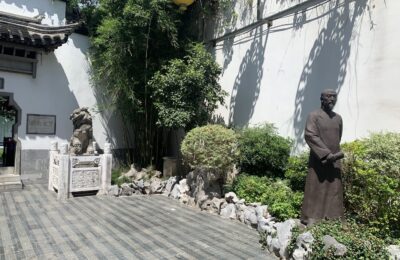
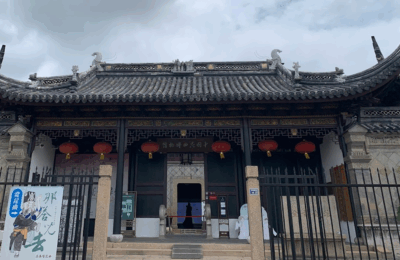
在苏州昆曲博物馆,我站在《昆剧传世演出珍本全编》前,轻声念过一卷卷剧名。我不是来看展,而是为唤醒沉睡的节拍。魏良辅的像静立,正始元音在无声中回荡;汤显祖的梦仍在《牡丹亭》里飘摇。戏服垂落如尾音,曲谱静卧如心跳。我以楚辞的湘音,对话昆曲的古声——昆曲,不是遗产,而是一场尚未唱完的呼吸。At the Kunqu Opera Museum in Suzhou, I stood before "The Complete Collection of Classic Kunqu Performances" and softly recited each play's title. I was not there to visit an exhibition, but to awaken the sleeping rhythm. The statue of Wei Liangfu stood still, his original tone echoing in silence; Tang Xianzu's dream still drifted within "The Peony Pavilion." The costumes hung like lingering notes, the scores rested like heartbeats. With the "Chu Ci" accent of Xiang, I conversed with the ancient voice of Kunqu — for Kunqu is not a heritage, but a breath that has yet to finish singing.
Weiterlesen《水袖不是衣裳,而是“情不知所起,一往而情深”的梦》——苏州昆曲博物馆

《唱的不是书,而是江南的呼吸》——平江路评弹茶座与苏州评弹博物馆

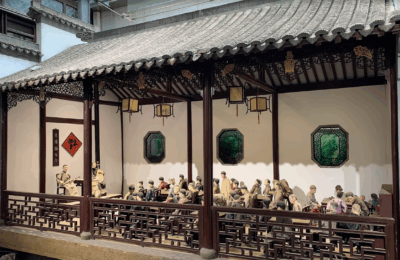
在苏州平江路,我推开一间茶座,不是为了一壶桂花乌龙,而是为了一曲《秋思》里未寄出的信。琵琶轻响,三弦低回,江南的呼吸从茶香里慢慢流出。评弹,不只是故事,而是节奏唤醒记忆的方式。At Pingjiang Road in Suzhou, I stepped into a teahouse not for a pot of osmanthus oolong, but for the unspoken letter hidden in the song Qiusi. As the pipa plucked and the sanxian sighed, the breath of Jiangnan drifted through the tea’s fragrance. Pingtan is not just storytelling—it is a rhythm that awakens memory.

Weiterlesen《唱的不是书,而是江南的呼吸》——平江路评弹茶座与苏州评弹博物馆

《夜泊秦淮 · 梦的回旋曲》——南京秦淮河 · 节奏文明南京段结语篇

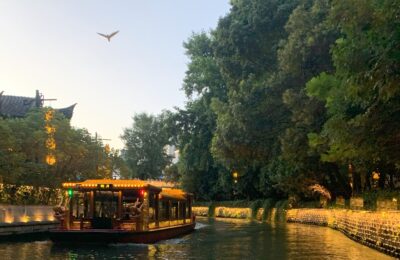
在南京秦淮河,我坐上船,不是去看灯火,而是把一夜的非遗与梦交还给水。水声缓慢,灯影流转,香君的叹息、湘夫人的回声,都仍在河心回旋。秦淮,不是景点,而是一首未完的诗。I boarded a boat on Nanjing’s Qinhuai River—not to watch the lights, but to return a night of intangible heritage and dreams to the water. The sound of the river is slow, the lantern-glow keeps drifting; the sigh of Lady Xiangjun and the echo of the Lady of the Xiang still circle in the river’s heart. Qinhuai is not a scenic spot—it is an unfinished poem.

Weiterlesen《夜泊秦淮 · 梦的回旋曲》——南京秦淮河 · 节奏文明南京段结语篇

《地图之外的宅子|甘熙故居的静音文明》

在南京甘熙故居,我走入的不是旧宅,而是一部被静音的家族史。十九进半的深院,书房里的旧卷,寿石轩的石脉,严凤英房间里空椅的回声——都在无声处诉说。地图之外,才是节奏未亡的金陵。At the Nanjing Ganxi Residence, I entered not just an old mansion but a silenced family chronicle. Nineteen courtyards unfold, books rest in the study, stone veins breathe in the Shoushi Pavilion, and echoes linger in Yan Fengying’s room. Beyond the maps lies a Nanjing where rhythm still survives.

Weiterlesen《地图之外的宅子|甘熙故居的静音文明》

《皇命不是纸,是节奏的披风》——南京江宁织造博物馆

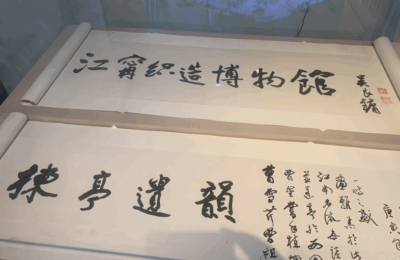
在南京江宁织造博物馆,我看见的不只是丝与锦,而是皇命的回声、命运的经纬。云锦龙袍在玻璃后依旧耀眼,敬慎二字在堂前静静呼吸。我来此,不是看展览,而是倾听:名字背后的叹息、织机间的风声、卷轴里尚未落定的节奏。At the Nanjing Jiangning Weaving Museum, I saw not only silk and brocade,but the echo of imperial commands, the warp and weft of destiny.Dragon robes still gleam behind glass, the word Reverence breathes from the hall.I came not to observe, but to listen—to the sighs behind names, the wind between looms, the rhythm still unfolding in the scrolls.

Weiterlesen《皇命不是纸,是节奏的披风》——南京江宁织造博物馆

《织的不是锦,是一整座朝代的命运纹理》——南京云锦博物馆与节奏文明的十次低语

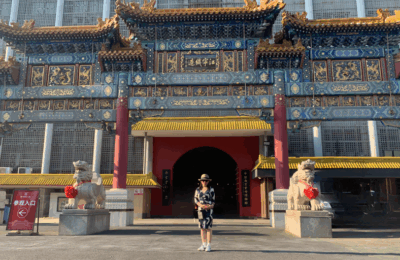
在南京云锦博物馆,我站在花楼机前,听“通经断纬”“挖花盘织”的节奏缓缓奏响。每一根经线都是时间的布排,每一丝纬线都是记忆的迂回。寸锦寸金,我不是来看织锦的,我是来听图样背后的文明密语。At the Nanjing Brocade Museum, I stood before the pattern loom,listening to the rhythm of warp-through, weft-cut, and motif layering.Each warp thread laid time in order,each weft thread curled memory into form.In this brocade where every inch weighs like gold,I came not to see patterns, but to hear the murmurs of civilization.

Weiterlesen《织的不是锦,是一整座朝代的命运纹理》——南京云锦博物馆与节奏文明的十次低语

《蓝不是颜色,是火后的回声》——北京珐琅厂景泰蓝 • 点蓝体验

在北京珐琅厂,我亲手体验了一小时“点蓝”,让火与釉在铜胎上安放节奏。景泰蓝不是颜色,而是火焰里炼出的呼吸——有些火烧裂,有些火炼蓝。在蓝里,我为北京行做结尾,也为节奏错位找到归处。At the Beijing Enamel Factory, I spent an hour painting cloisonné, letting fire and glaze settle into rhythm on copper. Cloisonné is not just a color, but a breath forged in flames—some fires crack, some fires refine into blue. In this blue, I concluded my journey in Beijing and found a resting place for rhythm out of dissonance.

Weiterlesen《蓝不是颜色,是火后的回声》——北京珐琅厂景泰蓝 • 点蓝体验

《叮铃响起时,我终于能用自己的节奏呼吸》——香港的回声诗

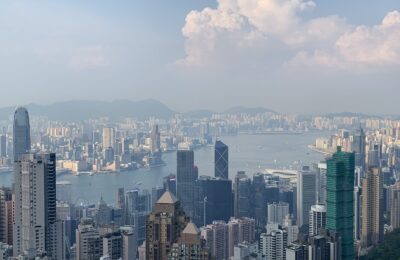
在香港,我第一次能用自己的节奏走路、说话、存在。叮叮车的铃声与沉默,让我听见这座城市的温柔与缝隙,太平山顶的灯火与亲人的饭桌,则给我一个静静呼吸的空间。这不是旅程,是一首写给文明节奏的回声诗。In Hong Kong, I finally walked and breathed in my own rhythm.The Ding Ding Tram carried not just sounds, but silence and softness—while atop Victoria Peak and around the dinner table,family gathered like a quiet poem.This was not a trip, but a resonant echo of rhythm and belonging.

Weiterlesen《叮铃响起时,我终于能用自己的节奏呼吸》——香港的回声诗

《复兴诗路南行:让高铁听楚辞》——苏州南至广州东站

我不是旅客,我是诗的携带者。从节奏错置的苏州南站出发,我在复兴号第二节车厢播放自己谱写的《离骚》《天问》《九歌》,不是给人听,而是让高铁听。途经黄山、景德镇、赣州,我将诗句贴进铁轨与站台的缝隙里,最终在广州东站与血脉相认。这不是一次旅行,是一场节奏文明的南行修复。I am not a traveler; I am a bearer of poems. Setting out from the rhythm-misaligned Suzhou South Station, I played my own settings of “Li Sao,” “Tian Wen,” and “Jiu Ge” in the second carriage of a Fuxing train— not for people to hear, but for the high-speed rail to listen. Passing Huangshan, Jingdezhen, and Ganzhou, I tucked lines of verse into the seams of rails and platforms, and at last, at Guangzhou East, I met my bloodline. This was not a journey; it was a southbound repair of Rhythm Civilization.

Weiterlesen《复兴诗路南行:让高铁听楚辞》——苏州南至广州东站

《节奏早于语言,我与铁轨共孪生出第一条诗行》——台铁北回线 · 树林脚平交道 · 花莲铁道文化园区

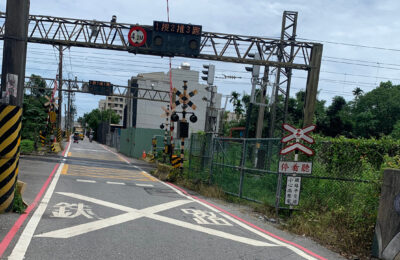
我与台铁北回线同年诞生,在花莲树林脚平交道旁长大。火车的铃声,是我尚未学会语言前的节奏母语。从童年的铁轨出发,走进花莲铁道文化园区,我记录下身体记得的节奏,也写下一段东部铁道与个人文明的孪生史。I was born the same year as TRA’s North-Link Line, and grew up beside the level crossing at the foot of Hualien’s woodlands. The train’s bell was my mother tongue of rhythm, learned before language itself. From the rails of childhood to the Hualien Railway Culture Park, I record the tempos my body remembers and write a twin history of the East Coast railway and my own civilization.

Weiterlesen《节奏早于语言,我与铁轨共孪生出第一条诗行》——台铁北回线 · 树林脚平交道 · 花莲铁道文化园区