《土家族毛古斯舞|祖先的身体》
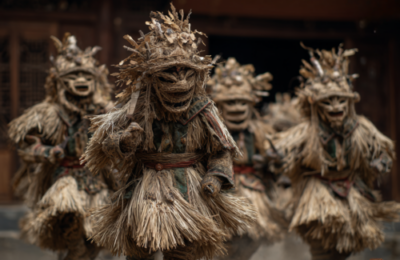
毛古斯舞是土家族最古老的歌舞戏剧之一,被视为中国民族舞蹈与戏剧的重要源头。舞者披草为衣、以土语吟唱、以碎步与抖身重演祖先的农事、渔猎、婚俗与祭祀。本篇以“草身—祖事—族脉”为线索,呈现毛古斯如何让身体成为记忆的容器,使一个族群最原始的生活逻辑与祖先关系,在当代重新被看见与理解。 The Maogus dance is one of the oldest ritual dance-theatre traditions of the Tujia people and is considered a deep ancestral source of Chinese dance and drama. Dancers wear straw “bodies,” speak in archaic Tujia dialect, and use fragmented steps and shaking movements to reenact hunting, farming, marriage customs, and seasonal rites. Organized around the themes of “Straw Body – Ancestral Day – Lineage,” this essay examines how Maogus transforms the human body into a vessel of cultural memory, allowing the living to present their continuity to the ancestors.