《节奏文明观|系统篇 ——系统如何形成:从一条线,到一整个世界》
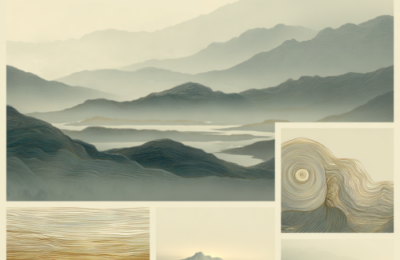
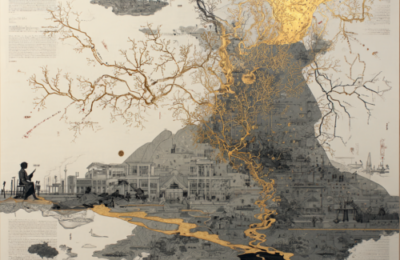
《系统篇》探问一个被现代世界忽略的核心:文明中的“系统”,并不是被规划、设计、建构出来的,而是从节奏中自然生长的。一条手势的线、一段呼吸的速度、一条铁轨的方向、一种工艺的重复动作,当这些节奏累积到足够密度,系统便从“线”的稳定,走向“面的对拍”,再走向“体”的自我维持。本篇解析系统如何形成三阶段的生成路径:起点是一条稳定呼吸的线;生成是线与线开始对拍、连成面;成熟是结构自我复制并成为文明的呼吸体系。系统不是框架,而是节奏的结晶;不是工程图,而是一个世界自动组织自己的方式。在这个时代,重新理解系统如何被听见、被调频、被唤醒,是人类重新学习文明的关键一步。The System Chapter explores a forgotten truth of civilization: systems are not designed—they emerge from rhythm. A single stroke of the hand, the pace of a breath, the direction of a railway line, the repetitive motion of a craft—when these rhythms accumulate with enough density, a system naturally evolves from the stability of a line, to the synchronized convergence of patterns, and finally into a self-sustaining organism. This chapter unfolds the three-phase pathway of system formation: origin as a line that breathes steadily; formation as lines begin to resonate and form a field; maturation as structure replicates itself and becomes a living rhythm of civilization. A system is not a framework but the crystallization of rhythm, not a diagram but a world that organizes itself through resonance. In an age overloaded with structures yet starved for coherence, relearning how systems are heard, aligned, and awakened becomes essential for recovering a deeper sense of civilization.