《楚国王子的手机:对“官方剧本“已读不回,对“家族群规“已读乱回,在深夜疯狂EMO |《上博简〈昔者君老〉〈有皇将起〉〈鹠鷅〉》
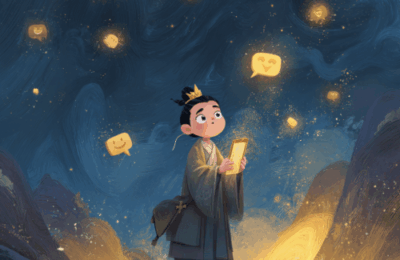
上博简中的三篇竹简——《昔者君老》《有皇将起》《鹠鷅》—— 表面看似无关,实则构成教育的三种声音: 一则礼制如“官方剧本”,层层压下沉默; 一则家训似“群规”,既温柔又沉重; 而那只鹠鷅,则是他在深夜才能面对的自己。 本文将三则简文对读,由作者基于文本,以“楚国王子”作为象征性主角进行诠释, 并非考古所证的真实个体,只是现代视角下的象征化阅读。 在角色、期许与自我之间, 一个年轻人于两千四百年前的竹片上留下了成长的细微裂纹, 也留下了我们至今仍在追问的问题: 扮演完所有角色之后,真正的“我”在哪里? The three bamboo manuscripts from the Shanghai Museum collection— Xizhe Jun Lao, You Huang Jiang Qi, and Liudi— may appear unrelated at first glance, yet together they echo three distinct voices of ancient education: one, a ritual code like an “official script,” pressing silence upon the heir; one, a family instruction like a “group chat,” warm yet heavy; and the Liudi bird—his truest self, the part he could face only in the quiet of night. This essay reads the three texts side by side and, based solely on their content, offers a modern symbolic interpretation using a “Chu prince” as a metaphorical figure— not as a historical identification, but as a narrative device to illuminate the tensions within the texts. Between roles, expectations, and the fragile self, a young man left faint fractures upon bamboo strips two thousand four hundred years ago— fractures that still ask us the same question today: After playing every role, where does the true ‘I’ remain?