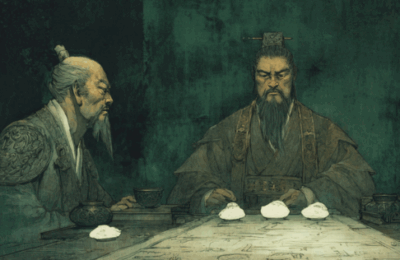
《上博简〈君人者何必安哉〉|楚国CEO为立人设过度“卷”自己,竟导致公司濒临破产?》

在上博简〈君人者何必安哉〉中,我们看到的不是一位“清心寡欲”的圣人楚王,而是一场精心策划却彻底翻车的“人设工程”。楚王以为只要戒色、戒乐、戒欲,就能为自己立下完美德行的招牌;然而老臣范戊却用白玉、三违与史例,把这块闪亮的招牌当场撕毁,揭露这是最危险、最失败的治理策略。一个只想“看起来无懈可击”的统治者,往往最先在现实中崩盘:他不听礼乐使国家失去文化之本,不近女色导致继嗣岌岌可危,隆祭无乐则斩断了祖先与国家的精神链路。民众认为他虚伪矫饰,甚至连鬼神都不会再为他作保。当桀、纣、幽、厉与灵王乾谿之殒的阴影被摆在眼前,那句“君人者何必安哉”便成为穿越两千年的重锤:治理不是修行,人设无法代替责任。楚文明留给后世的警告很清楚——真正的明君不是禁欲的圣徒,而是敢于承担行动的“真人”。In the Shanghai Museum Chu Slips “Junrenzhe Hebi Anzai,” what emerges is not a sage-like king purified by abstinence, but a meticulously crafted persona collapsing in real time. The Chu king believed that quitting desire—avoiding music, distancing himself from women, rejecting sensory pleasure—would forge an impeccable image of virtue. Yet Minister Fan Wu dismantles this facade with surgical precision: the unblemished jade becomes a metaphor for unused responsibility, the “three violations” reveal structural failures, and the historical cases of tyrants and the tragic death of King Ling at Ganxi expose the fatal cost of mistaking personal image for governance. A ruler obsessed with looking flawless collapses first in practice: abandoning ritual music breaks cultural cohesion, neglecting heirs endangers succession, and hollow ceremonies sever the lineage between ancestors and state. The people see him as pretentious; even the spirits, Fan warns, will cease to protect him. Against the backdrop of fallen rulers, the cry “Why should a ruler expect ease?” becomes a timeless verdict: governance is not ascetic performance but the courage to act. The wisdom of Chu is blunt—true leadership comes not from a saintly persona, but from being real, responsible, and present.
Weiterlesen《上博简〈君人者何必安哉〉|楚国CEO为立人设过度“卷”自己,竟导致公司濒临破产?》

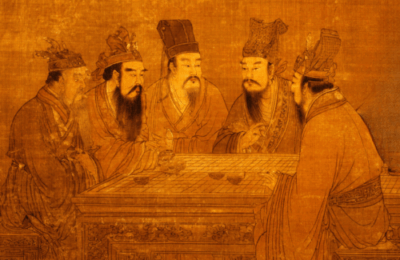
《荆州简 · 秦家嘴M1093号楚简〈四王五霸〉|谁把楚庄王踢出了”五霸”群聊?》

湖北荆州秦家嘴1093号楚简给出了一个彻底“异端”的春秋五霸名单:齐桓公、晋文公、楚文王、越王勾践、吴王阖闾——楚庄王被无情踢出群聊。这不是史官疏忽,而是墨家以“尚贤”为尺对历史进行的强力重写:衡量霸业的标准不是领土、战功,而是君主是否得贤臣者得天下。鬻拳以刖足明志,使楚文王取代楚庄王,成为“墨家五霸”的关键。更锋利的是,这篇简文在列举五霸之后立刻翻转笔锋,把他们全部定性为“乱之本”:兼并、逼君、相杀,是时代真正的底色。这是战国思想的锋刃:利用你的故事,否定你的道路。一个庶人墓主把这份名单带入地下,也悄悄带走了他心中那份关于贤臣、秩序与忠诚的另一种可能。The Chu bamboo slip discovered at Qin-jiazui M1093 in Jingzhou, Hubei presents an alternative and striking list of the “Five Hegemons”: Duke Huan of Qi, Duke Wen of Jin, King Wen of Chu, King Goujian of Yue, and King Helü of Wu—explicitly excluding the familiar King Zhuang of Chu. This is not a scribal mistake but a Mohist reconstruction of history, measuring hegemony not by territory or conquest but by the principle of “exalting the worthy.” Yuxuan’s uncompromising remonstration—even self-amputation—elevates King Wen into the Mohist list. Yet the slip immediately shifts tone, condemning all five as “sources of disorder”: usurpation, annexation, mutual killing. This is the sharp logic of Warring States political thought—using your story while denying your path. A commoner carried this manuscript into his tomb, preserving a vision of power grounded not in expansion, but in worthiness, loyalty, and order.

Weiterlesen《荆州简 · 秦家嘴M1093号楚简〈四王五霸〉|谁把楚庄王踢出了”五霸”群聊?》

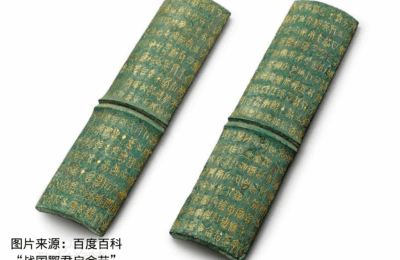
《鄂君启金节|青铜里的关税战争:楚国CEO的物流密码》

《鄂君启金节》是一枚沉睡两千三百年的青铜符节,却完整刻下了战国时期楚国最先进的经济制度:路线即版图、配额即权力、凭证即通行。它既是免税通行证,也是国家级物流网络的规划图、战略物资禁运制度的执行文本,以及中央财政直管体系的关键凭证。本文以三章方式重构这套“楚式治理学”:青铜上的交通系统、制度边界的精算逻辑,以及从人治迈向制度化的通关革命。两千多年后,我们依然能在现代自由贸易、负面清单与信用体系中,看见这枚符节的制度原型。The E-Jun Qi Bronze Tallies are not ceremonial relics—they encode one of the most sophisticated economic systems of the Warring States period. These bronze documents granted tax-free passage, defined national logistics routes, enforced strategic embargoes, and centralized fiscal power under the Chu state. Organized in three chapters, this article reconstructs Chu’s governance logic: the logistics map engraved in bronze, the calculated boundaries of institutional control, and the shift from personal authority to credential-based customs. More than two millennia later, modern free-trade zones, negative-list regulation, and credit-based clearance still echo the system first embedded in these tallies.

Weiterlesen《鄂君启金节|青铜里的关税战争:楚国CEO的物流密码》