《长台关楚简:竹简里的“无间道”——儒家?墨家?》
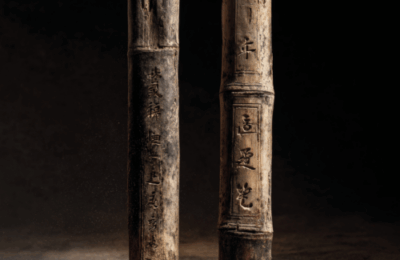
《长台关楚简》围绕1957年河南信阳长台关一号楚墓出土的约一百多枚残简展开。这批竹简残缺破碎,却在儒家语汇、墨家理念与现实政治之间不断切换,呈现战国思想远比后世分类更复杂的真实面貌。简文既有“君子之道”的礼制语言,也出现“尚贤”“兼爱”的墨家核心概念,同时反复讨论阶层、刑罚、名分与教育,显示儒墨并非对立,而是在乱世之中彼此渗透、互相借用,形成介于秩序与平等之间的思想灰区。长台关竹简留下的不是某一学派的教条,而是一位身处动荡时代的实践者试图寻找第三条路的思考模型。本文透过残简的缀合,重建思想在现实中混血生长的过程,并指出:两千四百年前的提问今天仍在回响——“天下将如何安顿?” This essay examines over a hundred fragmented bamboo slips excavated in 1957 from the Chantai Pass Chu tomb in Henan. Despite their damaged state, the slips reveal a dynamic intellectual landscape where Ruist vocabulary, Mohist ideals, and pragmatic political reasoning interweave. Phrases invoking “the Way of the gentleman” appear alongside core Mohist notions such as “elevating the worthy” and “universal kinship,” embedded within discussions of hierarchy, punishment, education, and social order. The slips demonstrate that Ruism and Mohism were not opposing camps but overlapping responses to the pressures of a turbulent world, converging into a hybrid zone between ritual order and egalitarian aspiration. What survives is not doctrinal purity, but a method for navigating contradiction—a third path forged in the midst of disorder. By tracing meaning across the broken bamboo, the essay reconstructs a living, interwoven mode of reasoning, and revisits the enduring question first inscribed here: how can a fractured world be held together?