《上博简〈桐颂〉〈兰赋〉|楚辞美学的两极共生与双生火焰》
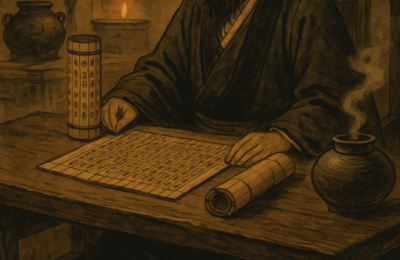
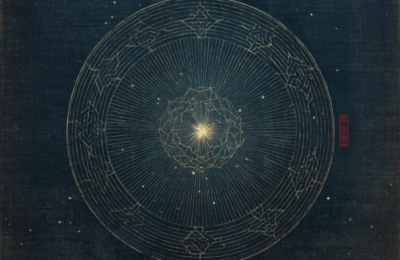
《上博简〈桐颂〉〈兰赋〉|楚辞美学的两极共生与双生火焰》本篇来自《上博简·第八册》的两篇核心文献《桐颂》《兰赋》, 一桐一兰,一刚一柔,一入世一出世,构成楚辞美学最深的“双生源代码”。《桐颂》写官道之桐,其“深立坚树”“刚其不贰”,象征秩序、责任与政治伦理;《兰赋》写幽麓之兰,其“摇落不失厥芳”“芳馨达闻”,守护清洁、独立与灵魂的本真。这对看似对立的意象,其实是楚文明深层结构的“双生火焰”: 桐为骨,兰为魂;桐建秩序,兰养灵气; 二者并行,方成楚辞那种在张力中升腾的极致之美。本文以节奏文明体解析两篇竹简的哲思脉络,并在尾之声引入楚人宇宙观: 当入世与出世、刚直与清香、骨与魂的五脉在死后归一,桐与兰的双焰终将合为璇玑之光。 Drawn from Shanghai Museum’s Bamboo Manuscripts (Volume 8), this essay explores two essential texts—Tong Song (桐颂) and Lan Fu (兰赋). One praises the paulownia on the official road; the other, the orchid in the secluded valley. Together they form the dual aesthetic engine of early Chu literature. Tong Song embodies political order, integrity, and responsibility. Lan Fu preserves purity, independence, and inner authenticity. What appear to be opposites are, in fact, “twin flames”: the paulownia as structure, the orchid as spirit; the former builds the world, the latter breathes meaning into it. This essay interprets both texts through the lens of rhythm-civilization writing, and concludes with a cosmological insight rooted in Chu thought: when the fivefold dimensions of life—duty, purity, intention, heart, and soul—unify beyond death, the twin flames merge into a single star at the axis of the heavens: the Xuanji.