《云南吃花|当身体成为春天的容器》

云南的春天不是用来看,是用来吃的。 金雀花、大白花、棠梨花、木棉花…… 花被采下、被漂净、被火驯熟,再进入身体。 味道变成动作,季节变成身体的节奏。 吃花,是把春天种进身体的方式。 春天最深的路径,是从舌尖走进血液,从锅里走进身体。 In Yunnan, spring is not watched — it is eaten. Golden bird flowers, white rhododendrons, pear blossoms, kapok… Each flower is picked, soaked, tamed by water and fire, then enters the body to become movement, rhythm, and breath. To eat flowers is to plant spring inside oneself. Spring’s deepest path moves not across mountains, but from the tongue into the body.
Weiterlesen《云南吃花|当身体成为春天的容器》

《跳马节|一个湘西村庄的酒神祭》

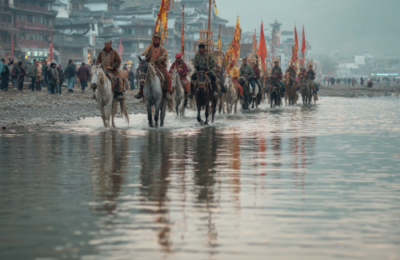
湘西古丈的跳马节,与古希腊酒神祭隔着千年与万里,却共享同一种人类学结构:死亡可被点亮,春天可以被召回。本文以巫傩文化、替罪机制与身体仪式为线索,解析扎马、游行、烧老爷等古老仪程如何让一个世界在冬天之后重新开始。 The Tujia “Jumping Horse” ritual in Xiangxi and the ancient Dionysian festival in Greece share a profound anthropological structure: the passage from death to renewal, the cleansing of misfortune, and the calling back of spring. This article explores how acts such as becoming the “horse,” ritual processions, and the burning of the effigy recreate the world’s beginning through embodied ceremony.

Weiterlesen《跳马节|一个湘西村庄的酒神祭》